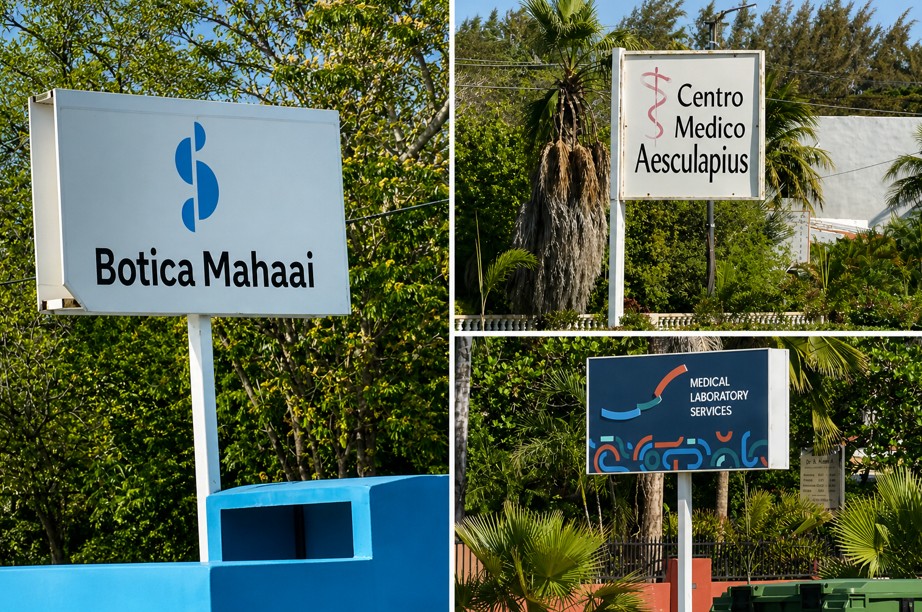
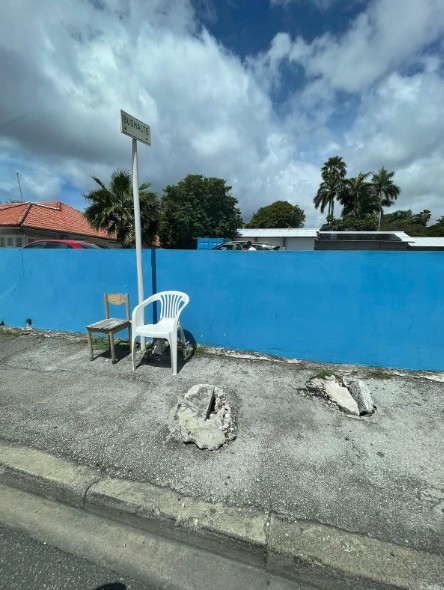
There are two chairs. One plastic. One wooden. Beneath a sign that simply reads: Bus Stop. No roof. No shade. No protection. This is not theory, not a policy paper, not a statistic. This is daily reality in Mahaai, near medical facilities where people do not go by choice, but by necessity. Here, patients wait. In the full sun. In silence. In a dignity that is slowly stripped away.
Curaçao’s climate is unforgiving. The sun burns, the humidity presses, temperatures rise to levels that challenge even a healthy body—let alone someone who is ill, weakened, or elderly. Imagine you have just left a doctor’s appointment. Or you are on your way to one. You don’t feel well. Perhaps you are in pain. Perhaps you are dizzy. Perhaps you have just had blood drawn. And then you must sit. Outside. Without shade. Without protection. Sometimes for twenty minutes. Sometimes forty. Sometimes longer. Because the bus comes when it comes. Because schedules are not always reliable. Because there is no alternative. Yes, Curaçao has a public transport system. Yes, it is affordable. But affordability without humanity is not accessibility.
What is missing here is not luxury—it is basic respect. This bus stop once had a shelter. It broke. And for nearly two years, nothing has been done. No repair. No temporary solution. No visible urgency. This is not a technical failure. It is a moral one. What message does this send to those who sit there? That their time does not matter. That their health does not matter. That their comfort does not matter. That they must simply endure. But healthcare does not begin at the clinic door. It begins with access. A system that forces people to suffer physically just to reach medical care is not functioning. It is failing. The people sitting there are not policymakers. They are not advisors. They are not people with influence. They are elderly citizens. Workers without cars. People with chronic conditions. Mothers with children. Individuals who depend on a system that should protect them. They do not protest loudly. They do not disrupt. They wait. And because they wait, they are forgotten.
This is not about large investments. Not about complex planning. This is about a simple roof. A proper bench. Basic protection from sun and rain. This is not development. This is civilization. The question is not whether it can be done. The question is: why has it not been done? Who is responsible? The transport authorities? The government? Public works? Everyone knows this location exists. Everyone passes by. Everyone sees it. And yet, nothing moves. So let us ask it differently. Would this be acceptable in front of a government building? Would this be acceptable in a tourist area? Would this be acceptable if decision-makers themselves had to sit there? Curaçao invests in image. In tourism. In growth. But the true measure of a society is not found in its brochures. It is found in its reality. In its small places. In its bus stops. In how it treats its most vulnerable. Two chairs in the sun are telling a story. A story of neglect. A story of silence. A story that should unsettle us. Because dignity should not depend on owning a car. Dignity is a right. Fix the bus stop. Not tomorrow. Not next year. Now. Because every day, someone sits there. Waiting. In pain. In silence. And that silence says everything.
Tico Vos
Columnist
Activist