LA GUAIRA – Thousands of Venezuelan families remain unable or unwilling to return to their homes following the devastating earthquakes that struck the country this week, as concerns grow over the structural integrity of residential apartment buildings damaged by the powerful tremors.
Among the hardest-hit residential complexes are many apartment blocks built under Venezuela's Gran Misión Vivienda housing program. Most of the buildings, typically three stories high, housed thousands of families before the earthquakes.
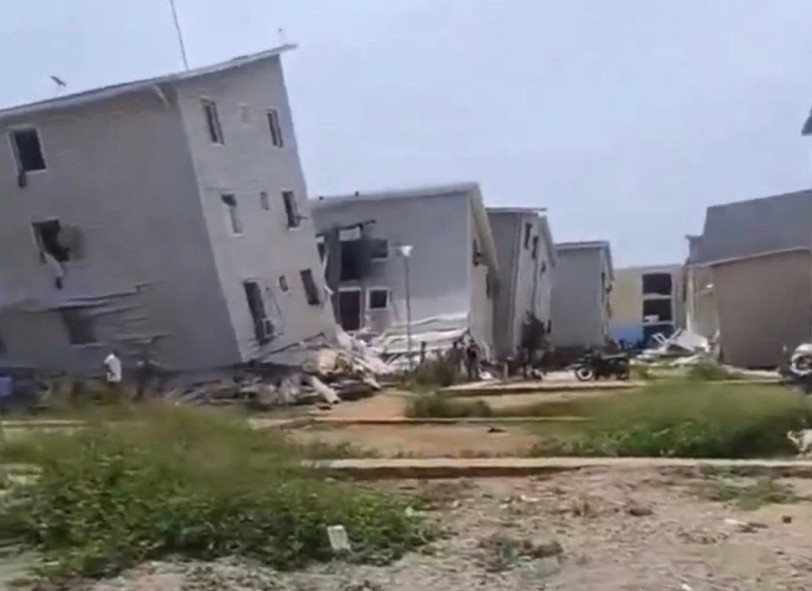
Today, many of those same buildings bear visible cracks, damaged walls, and other signs of structural deterioration.
As a result, many residents are refusing to re-enter their homes, fearing that aftershocks or weakened foundations could trigger further collapses.
Authorities and engineers have stressed that buildings showing visible damage should not be reoccupied until they have undergone thorough structural inspections.
Residents say their fears are not exaggerated but are based on survival instincts after witnessing the destruction caused by the earthquakes.
Emergency officials continue to urge caution as aftershocks remain possible in the coming days.
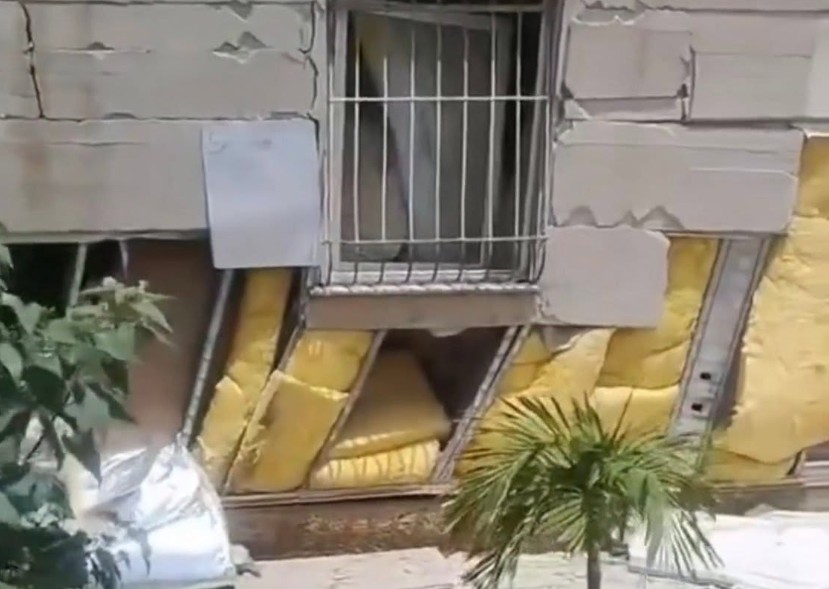
Structural engineers are expected to inspect damaged residential buildings to determine whether they can be safely repaired or must be demolished.
The concern comes as rescue and recovery efforts continue across northern Venezuela, where the powerful earthquakes caused widespread destruction to homes, public buildings, roads, and critical infrastructure.
Emergency shelters have been established in several affected communities to accommodate families displaced by the disaster while authorities assess the safety of damaged neighborhoods.
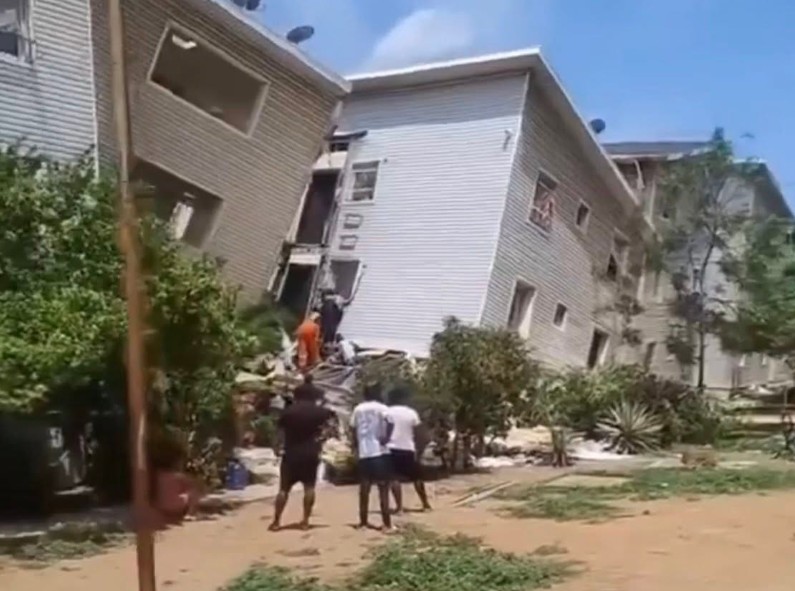
Officials have repeatedly emphasized that no one should return to a damaged building until it has been declared safe by qualified specialists, warning that entering unstable structures could lead to additional tragedies.