Throughout Curaçao, there are people who have contributed enormously to the island, yet have not always received the recognition they deserve.
Take Jacob Gelt Dekker, for example. He saw potential in Otrobanda where others saw decay. Through Kura Hulanda and its Museum of Slavery, he breathed new life into historic buildings and helped preserve a valuable part of Curaçao’s architectural and cultural heritage. His work also gave a boost to the revitalisation of the surrounding area.
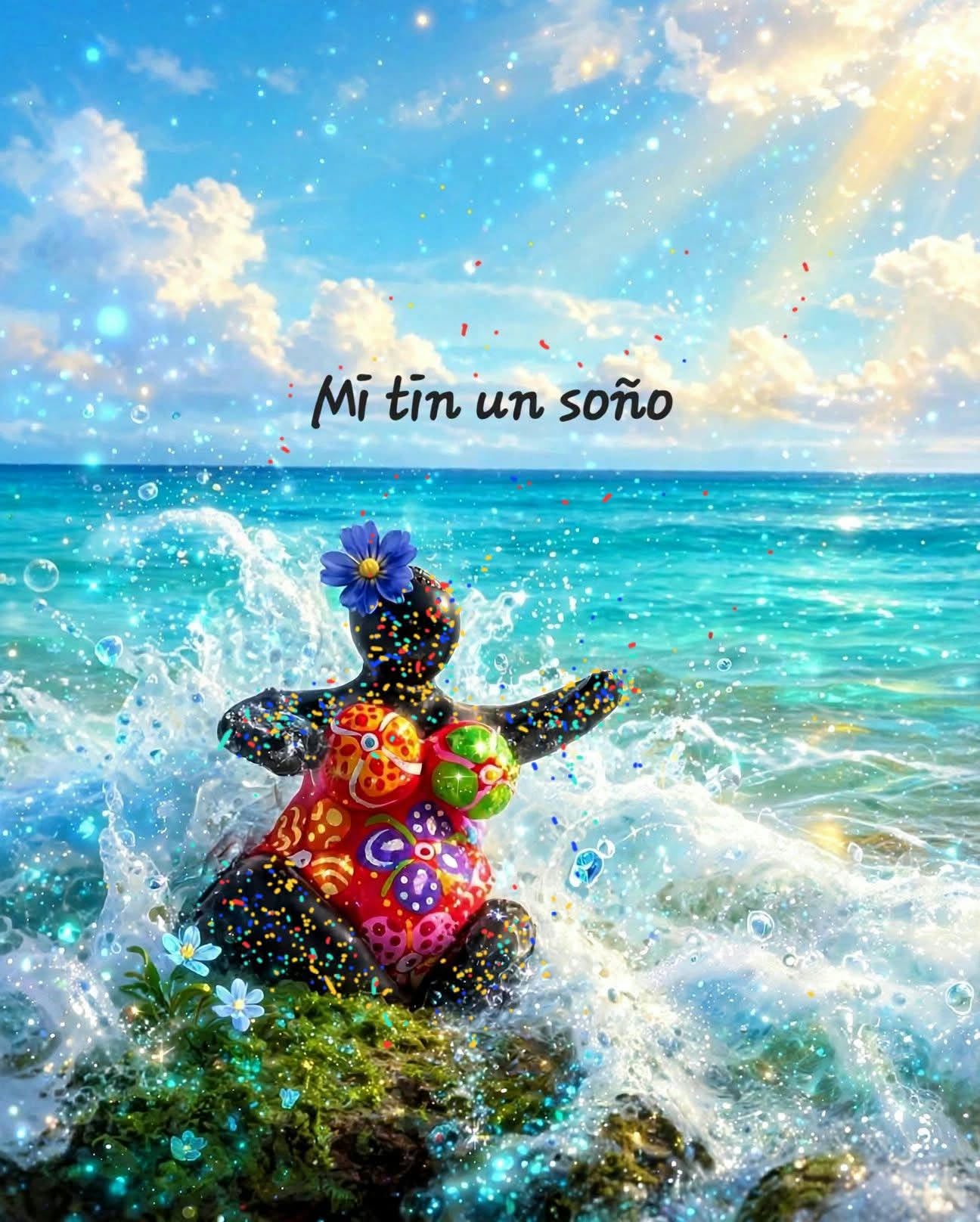
Chichi
Yet politicians eventually declared him persona non grata. Those who turned against him had never undertaken anything comparable themselves. It raises an uncomfortable question: why do we sometimes turn against those who actually build something rather than recognise what they have achieved?
Why is someone who comes from elsewhere and invests time, energy and resources in Curaçao sometimes treated with suspicion rather than appreciation? Is it xenophobia? Is it resentment of success? Or is it simply difficult for some to see others achieve what they themselves have not attempted?
We seem to be witnessing a similar pattern today. People who create something of value increasingly find themselves under public attack. Accusations of racism and of disrespect towards Curaçaoan culture are raised, sometimes with considerable force. Such claims can stir deep emotions, but a serious accusation is not proof in itself. Art deserves thoughtful discussion, not the vilification of the artist behind it.
Consider Serena Israël, the artist behind the now internationally recognised Chichi figurines.
You do not have to like her work. Art is subjective, tastes differ, and disagreement is perfectly legitimate. But there is a fundamental difference between criticising a work of art and casting suspicion on the person who created it.
Through her colourful Chichi figurines, Serena has created a distinctive and joyful symbol that has brought Curaçao recognition far beyond its own shores. Her work encourages people to explore their own creativity and discover the beauty and artistic talent within themselves. Through her studio, she gives people the opportunity to create, connect and share in the pleasure of making something beautiful together.
Her business also provides employment and opportunities for the people of Curaçao. Behind this colourful world is a warm, positive and generous woman who cares about her community and is willing to support others without expecting anything in return.
Why, then, should we not simply appreciate someone who brings so much creativity, employment, joy and positive energy to our island?
Of course, questions about cultural representation and artistic interpretation deserve to be taken seriously. But we should also be careful not to confuse our own interpretation of an artist’s work with the artist’s actual intentions. Before attributing motives, it would seem only fair to understand what the artist herself intended to express.
There is, perhaps, a broader lesson here. Too often, we wait for someone else to take the initiative, to dare, to invest, to create and to succeed. Yet when someone does precisely that, the response is not always admiration. Sometimes it is suspicion, criticism or resentment.
A society cannot move forward if those who take the initiative are made to feel that they must defend themselves simply for having done so.
Curaçao needs people who build, not people who tear others down.
Let Serena continue doing what she does best: creating art, bringing people together, adding colour to Curaçao, sharing the island’s creative spirit with the world and helping Curaçaoan dreams become reality.
Mi tin un soño (I have a dream)
Peter-John de Jong
Columnist