WILLEMSTAD – Curaçao's tax collection system has been vulnerable to interference, preferential treatment, and decisions made outside established procedures, according to an internal audit by government auditing foundation SOAB. The findings raise serious questions about whether all taxpayers have been treated equally and whether adequate controls exist to prevent improper intervention in tax collection.
The findings are contained in one of two SOAB audit reports submitted to the Curaçao Parliament by Finance Minister Charles Cooper in a letter dated October 23, 2026.
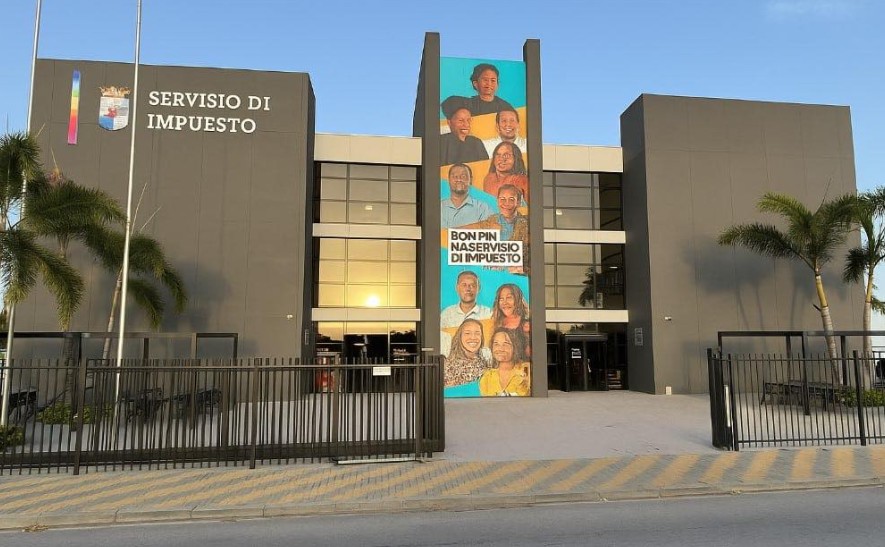
Tax Department Curaçao
The audit examined an integrity complaint involving the Office of the Tax Collector, known as the Landsontvanger, as well as the department's management practices and handling of individual tax collection cases.
According to SOAB, interviews with employees revealed a consistent pattern in which collection measures involving individual taxpayers were withdrawn, adjusted, or reversed following interventions outside normal procedures.
Auditors received examples of payment arrangements being processed through different collection officers to bypass system controls. They also identified cases in which collection actions were withdrawn despite outstanding payment obligations.
In some instances, decisions were either insufficiently documented or not recorded properly in the tax collection system.
SOAB reported that employees expressed concerns about selective treatment of taxpayers and a lack of transparency surrounding certain decisions.
The auditors concluded that these practices point to structural weaknesses in internal controls and increase the risk of arbitrary treatment within the tax collection process.
The report also examined the authority exercised by the head of the Tax Collector's Office, Alfonso Trona.
Although the department head acknowledged having discretionary authority in certain circumstances, SOAB emphasized that such authority must be exercised within established legal and administrative frameworks.
The audit found that a formal assessment committee referred to during the investigation was only established on May 4, 2025.
SOAB also noted that earlier audits had already identified weaknesses in collection procedures. An improvement plan was introduced in 2025, but the latest findings indicate that concerns about internal controls and decision-making remained relevant.
The report does not establish that every intervention identified was unlawful or that every taxpayer receiving special treatment obtained an improper benefit. However, it raises questions about the documentation, consistency, and accountability of collection decisions.
For the government, the findings create an additional challenge as Curaçao continues efforts to modernize its tax administration and improve public financial management.
Minister Cooper has now forwarded the audit findings to Parliament, placing the department's internal operations under renewed scrutiny.
A third SOAB report examining compliance with the general tax collection guidelines is still being finalized and will be submitted to Parliament once the remaining procedures have been completed.