HAVANA – Russian carriers Rossiya and Nordwind Airlines have suspended or significantly scaled back scheduled flights to Cuba amid a critical shortage of aviation fuel at Cuban airports, prompting urgent repatriation flights for stranded tourists and raising new concerns for Cuba’s vital tourism sector.
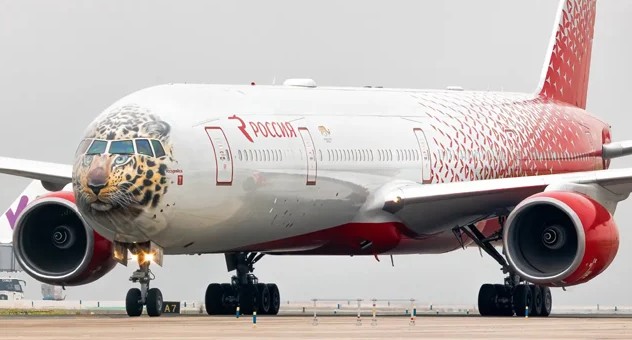
The decisions follow warnings from Russia’s Federal Air Transport Authority (Rosaviatsia) that jet fuel (Jet A-1) supplies on the Caribbean island are inadequate to safely support incoming and outgoing flights, forcing airlines to prioritise passenger safety and operational feasibility.
Fuel Shortage Forces Operational Changes
Starting February 12, Rossiya, a subsidiary of Aeroflot, will suspend regular flights from Moscow to Cuba due to the inability to refuel aircraft on arrival. Instead, the airline is operating ferry flights — empty departures — to evacuate Russian tourists from destinations such as Havana and Varadero before halting services.
Nordwind Airlines has not fully suspended its routes yet but has implemented “forced adjustments” to its programme, continuing some services to Holguín and Varadero while assessing fuel availability. However, Russian authorities emphasise that return flights may be limited until the fuel situation stabilises.
The Russian government has also advised citizens to postpone travel to Cuba and urged tour operators to halt package sales amid mounting logistical uncertainties. Officials cited information from the Russian Embassy and Rosaviatsia about degraded fuel supplies and the broader energy crisis affecting basic services and transport on the island.
Broader Aviation Impact and Tourism Consequences
The fuel shortage has sent ripples through global aviation serving Cuba. Canadian carriers such as Air Canada have already cancelled flights, operating special repatriation flights to bring home tens of thousands of travellers before suspending service. European airlines like Air Europa and Iberia have maintained some connectivity by adding technical refuelling stops in neighbouring countries due to Cuba’s lack of guaranteed fuel availability.
Industry notices warn that nine Cuban airports — including José Martí International Airport in Havana — may be unable to provide jet fuel until at least March 11, 2026, creating operational and economic strain.
Root Causes and Supply Chain Disruptions
The aviation fuel crisis forms part of a larger energy shortage in Cuba exacerbated by geopolitical pressures and disruptions in oil deliveries from historic suppliers such as Venezuela and Mexico. Recent U.S. sanctions and tariff threats have effectively restricted fuel imports, limiting Cuba’s ability to refuel commercial aircraft and maintain essential services.
Tourism analysts warn that prolonged flight suspensions risk undermining Cuba’s tourism economy, a key foreign-exchange generator, during a peak travel season. The reduction in direct flights from major markets like Russia and Canada could dampen visitor arrivals and further strain local hospitality sectors already teetering amid the broader energy crisis.
As authorities and carriers navigate the unfolding situation, the immediate focus remains on safely repatriating foreign tourists and stabilising fuel logistics, while the longer-term outlook hinges on resolving Cuba’s energy challenges and restoring international flight connectivity.