WILLEMSTAD – Thousands of residents in Curaçao may have been exposed to financial losses through QuickPromo, an online platform that attracted participants with promises of substantial earnings before becoming the subject of repeated warnings from the Central Bank of Curaçao and Sint Maarten (CBCS). As questions grow about missing investments, additional payment demands, and possible criminal violations, many residents are seeking answers about what happened and whether their money can be recovered.
The controversy has developed rapidly since September 2026, when the CBCS publicly identified QuickPromo among several programs displaying characteristics commonly associated with pyramid schemes.
By November, the situation had become more serious, with reports that participants were being asked to make additional payments to maintain access to their accounts.
The developments have prompted warnings from financial authorities, demands for investigations by Member of Parliament Javier Silvania, and disputes involving individuals allegedly connected to the platform.
However, important questions remain unanswered, including the total amount invested, the number of affected participants, and whether criminal offenses have been committed.
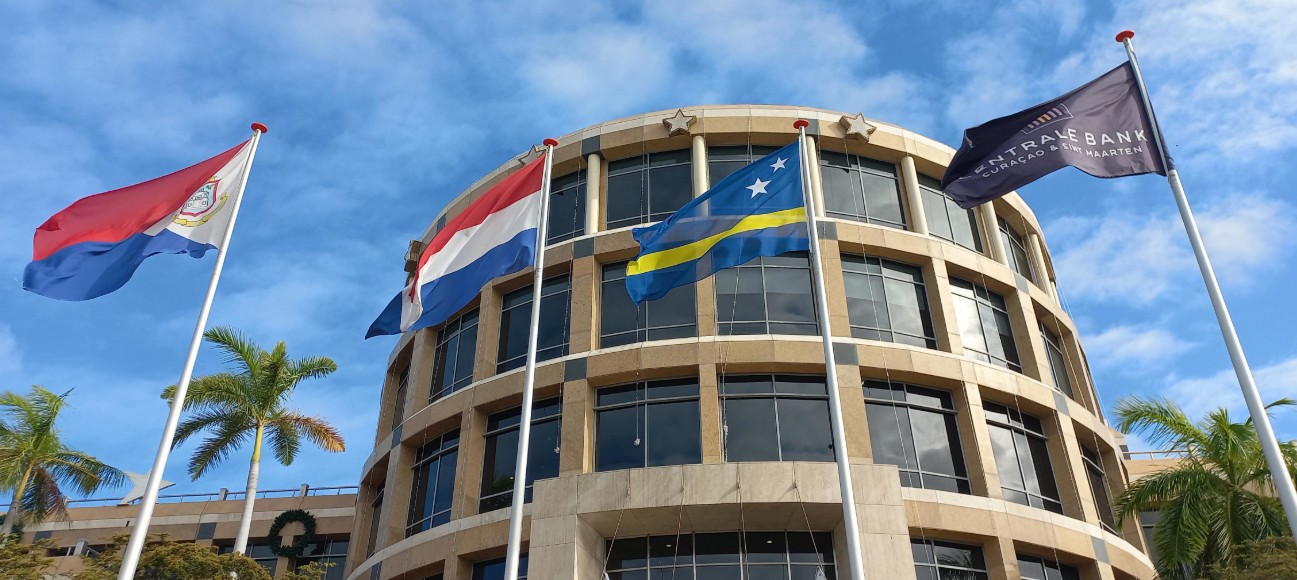
Central Bank of Curaçao
What Is QuickPromo?
QuickPromo is an online platform that promoted opportunities for participants to earn money through digital activities and investment-style arrangements.
The platform, also associated with the website QP313.com, attracted attention in Curaçao through social media promotion and recruitment activities.
According to promotional materials discussed in local media, participants were offered opportunities to generate substantial returns after making initial payments.
One advertised arrangement reportedly suggested that a payment of US$120 could generate US$920 over 200 days, including the original deposit.
That would represent a return of approximately 667% in less than seven months.
Such unusually high returns raised questions about the source of the money used to compensate participants and whether the business model could remain financially sustainable.
Reports also indicated that participants were encouraged to recruit additional members and make larger financial commitments to qualify for higher earning levels.
Some payments were reportedly made using cryptocurrencies, including USDT.
These characteristics attracted the attention of financial authorities because recruitment-based compensation systems can resemble pyramid schemes, in which payments to existing participants depend heavily on money contributed by new members.
Why Did the Central Bank Warn the Public?
The CBCS issued its first public warning concerning QuickPromo on September 17, 2026.
The warning also identified Korsou Legacy Capital Group and Elite Wealth Forum as examples of programs displaying characteristics commonly associated with pyramid schemes.
The Central Bank cautioned residents against financial arrangements involving membership payments, recruitment incentives, digital tokens, and complicated compensation structures without a transparent explanation of how revenue is generated.
According to the CBCS, these arrangements can expose participants to substantial financial losses, particularly when earnings depend on continuously attracting new investors.
The institution emphasized that professional-looking websites, social media promotions, and testimonials from other participants should not automatically be interpreted as evidence that an investment opportunity is legitimate.
The warning also highlighted risks associated with virtual assets and cryptocurrency-related activities that may operate without the required financial authorization.
The CBCS advised consumers to verify the regulatory status of financial service providers before transferring money.
What Happened in November?
On November 9, 2026, the CBCS issued a second, more urgent warning following reports of a message circulated by QuickPromo.
According to the Central Bank, participants were instructed to deposit an additional US$300 within 72 hours to verify their accounts.
The message reportedly warned that participants who failed to comply could lose access to their accounts and the money they had already invested.
The CBCS described the development as a serious indication that a possible pyramid scheme was experiencing financial difficulties and could be approaching collapse.
The Central Bank explained that when payments to existing participants depend on contributions from new participants, problems can emerge when the inflow of new money slows down.
Under such circumstances, operators may struggle to meet withdrawal requests and could attempt to obtain additional funds from existing participants.
The CBCS warned that making another payment would not guarantee the recovery of previous investments.
Instead, participants could risk losing even more money.
The institution specifically advised people to preserve their communications and transaction records and resist pressure involving short payment deadlines or threats of losing their funds.
How Many People May Have Lost Money?
The full financial impact of QuickPromo in Curaçao remains unknown.
MFK Member of Parliament Javier Silvania has claimed that approximately 7,000 residents may have participated in the platform.
He has also referred to unconfirmed information suggesting that around 3,000 people joined during September 2026 alone.
According to information presented by the parliamentarian, a group of 30 alleged victims may have collectively lost approximately US$85,000.

A QuickPromo event
However, these figures have not been independently verified, and authorities have not published a comprehensive assessment of the number of participants or the total financial losses.
It is also unclear how many participants successfully withdrew money before the reported difficulties began.
The absence of verified figures makes it difficult to establish the full scale of the controversy.
What Is Parliamentarian Javier Silvania Demanding?
Silvania has called for an investigation into QuickPromo and the response of the relevant authorities.
In a letter dated November 10, the parliamentarian submitted 28 questions to Prime Minister Gilmar Pisas, Finance Minister Charles Cooper, and Justice Minister Shalten Hato.
He questioned when the CBCS first became aware of QuickPromo, whether earlier warning signs were identified, and whether faster intervention could have prevented additional financial losses.
Silvania has also raised concerns about the possible involvement of local intermediaries and individuals connected to law enforcement.
In subsequent correspondence, he called for an examination of possible conflicts of interest involving police personnel and questioned whether complaints from alleged victims were being handled appropriately.
These concerns remain allegations and requests for investigation. They do not establish that the individuals mentioned committed criminal offenses.
The parliamentarian has also urged authorities to examine financial transactions and consider measures to preserve funds that could potentially be relevant to future recovery efforts.
Why Have Police Complaints Been Filed Against Silvania?
The QuickPromo controversy has also developed into a dispute over social media publications and personal safety.
On November 16, reports emerged that two individuals had filed police complaints against Silvania, accusing him of incitement, defamation, and damaging their reputations.
The complainants allege that the parliamentarian published personal information on Facebook and encouraged people who lost money through QuickPromo to seek repayment directly from individuals allegedly associated with the platform.
They claim that these publications contributed to threats against them and their relatives.
The complaints reportedly followed incidents involving people attempting to recover money from individuals believed to have connections to QuickPromo.
The allegations against Silvania have not been established in court.
The situation illustrates the growing tensions surrounding the platform and the importance of allowing the competent authorities to investigate suspected wrongdoing without exposing individuals to threats or intimidation.
Is QuickPromo a Pyramid Scheme?
The CBCS has warned that QuickPromo displays characteristics associated with pyramid schemes.
However, a regulatory warning is not the same as a criminal conviction.
Under Article 2:215 of Curaçao's Criminal Code, organizing and participating in prohibited pyramid schemes can constitute a criminal offense.
The CBCS has explained that determining whether this criminal provision has been violated and pursuing criminal enforcement fall within the responsibilities of the Public Prosecutor's Office.
The Central Bank's own supervisory responsibilities are based on financial legislation and are separate from criminal prosecution.
Whether QuickPromo's activities meet the legal definition of a prohibited pyramid scheme must therefore be determined through the appropriate legal process.
No final judicial determination establishing criminal responsibility in the QuickPromo matter has been identified in the information currently available.
What Should QuickPromo Participants Do Now?
For people who invested money through QuickPromo, the most immediate concern is protecting themselves against further financial losses and preserving evidence.
The CBCS has specifically warned participants against making additional payments under pressure, particularly when those payments are presented as necessary to verify accounts or recover money already invested.
Participants should preserve records of their financial transactions, including bank transfers, cryptocurrency payments, electronic wallet addresses, receipts, account statements, and screenshots of their QuickPromo balances.
They should also retain messages exchanged with recruiters, representatives, or other individuals involved in promoting the platform.
These records may be important if authorities investigate suspected financial misconduct or attempt to trace transactions.
Individuals who believe they have been victims of fraud can file a police complaint and provide the available supporting evidence.
They can also report suspected unauthorized financial activities to the CBCS.
Participants should be particularly cautious about individuals or services claiming they can recover lost investments in exchange for an advance payment.
Such offers can expose victims to additional financial losses.
Anyone seeking repayment should use lawful procedures rather than attempting to confront or threaten individuals believed to be associated with the platform.
Can Investors Recover Their Money?
At present, there is no confirmed general recovery arrangement for QuickPromo participants.
Whether funds can be recovered depends on several factors, including whether money remains available, whether transactions can be traced, and whether legal proceedings establish grounds for repayment or compensation.
Cryptocurrency transactions may create additional challenges, particularly when funds have been transferred between multiple wallets or converted into other assets.
Even if investigators identify potentially unlawful activity, that does not automatically mean every participant will recover the amount invested.
The CBCS has already made clear that paying additional money to QuickPromo offers no guarantee that existing balances will become accessible.
Participants should therefore avoid assuming that displayed account balances represent funds that can actually be withdrawn.
What Happens Next?
The next stage of the QuickPromo controversy will depend largely on the actions of the police, the Public Prosecutor's Office, and the relevant financial authorities.
Among the unanswered questions are how many formal complaints have been submitted, whether criminal investigations have been initiated, whether assets have been identified or secured, and how much money participants may have lost.
The government may also face further parliamentary scrutiny over whether existing financial supervision and consumer protection mechanisms were sufficient to identify and respond to the risks associated with the platform.
For Curaçao, the controversy raises broader questions about financial literacy, online investment promotions, and the growing influence of social media in encouraging people to participate in high-risk financial arrangements.
The case also demonstrates why extraordinary promises of financial returns should be examined carefully, especially when participants are encouraged to recruit others or make repeated deposits.
For those affected, the immediate priorities remain avoiding further payments, preserving evidence, and reporting suspected wrongdoing through official channels.
The central question now is whether investigators can establish what happened to the money, determine whether criminal laws were violated, and identify any realistic possibilities for recovering funds.
Until those questions are answered, QuickPromo remains a serious financial controversy with potentially significant consequences for individuals and families across Curaçao.