WILLEMSTAD – A political dispute has resurfaced over the controversial government acquisition of the former brothel Campo Alegre, after Partido Nashonal di Pueblo (PNP) leader and Member of Parliament Ruthmilda Larmonie-Cecilia publicly reiterated her opposition to the purchase, prompting a sharp response from Finance Minister Charles Cooper.
The exchange has reopened debate about one of the most controversial decisions taken during the previous coalition government involving MFK and PNP.
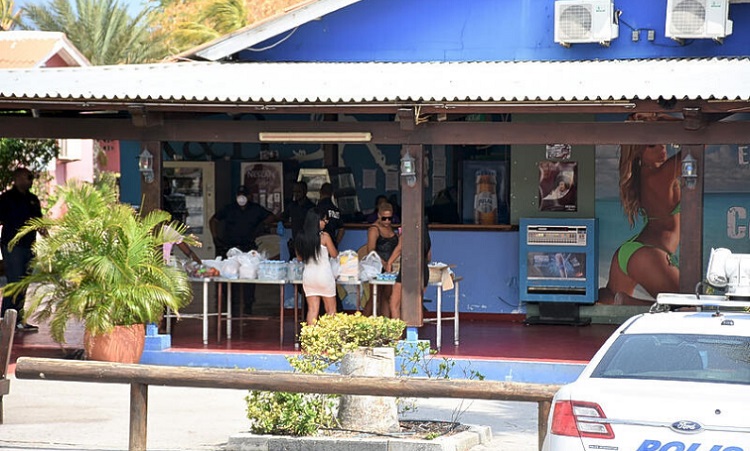
Larmonie-Cecilia said she had strongly opposed the acquisition of Campo Alegre, arguing that the process lacked transparency and proper government procedure.
According to her, the purchase raised serious concerns because there was no formal Council of Ministers decision in place authorizing the acquisition, nor was there a budget allocation clearly identified for the transaction.
She also questioned the financing structure behind the deal, suggesting that public funds were not being handled in the transparent way they should be.
Larmonie-Cecilia argued that the process bypassed coalition partners and proper governance channels, warning that the concerns raised by the Audit Chamber should not be ignored.
But Minister Cooper strongly pushed back against that version of events.
Speaking on the matter, Cooper said Larmonie-Cecilia was either “not speaking the truth” or had forgotten what actually happened during the coalition government.
According to Cooper, Larmonie-Cecilia was indeed the only minister from the coalition who voted against the Campo Alegre acquisition.
However, he stressed that the other two PNP ministers serving in the coalition at the time voted in favor.
That distinction, Cooper argued, is politically important.
“She was against it, not the party,” Cooper said, rejecting what he sees as an attempt by PNP to now distance itself from the decision.
The disagreement highlights internal divisions that existed within the former coalition and raises broader questions about political accountability for major government transactions.
The acquisition of Campo Alegre, the former legal brothel complex that had been closed for years, was defended by government at the time as a strategic move tied to future redevelopment plans.
Critics, however, questioned both the price and the decision-making process behind the purchase.
The issue has remained politically sensitive, especially after concerns were raised about public financing and oversight.
The latest clash between Cooper and Larmonie-Cecilia appears to reflect a broader political battle over historical responsibility as parties position themselves ahead of future parliamentary debates.
What remains clear is that the Campo Alegre file continues to generate political tension long after the original deal was made.
And with both sides now publicly disputing the record, the debate over who supported the purchase — and how it was handled — is far from over.