WILLEMSTAD – The long-running debate over a 12 percent service charge in Curaçao’s hospitality sector has returned to Parliament, with representatives of hospitality workers’ union Horecaf presenting their position to the Parliamentary Committee for Social Development, Labor and Welfare on Wednesday, September 16.
The meeting began with a presentation by Horecaf representatives on the proposed 12 percent service charge, followed by discussions with members of the parliamentary committee.
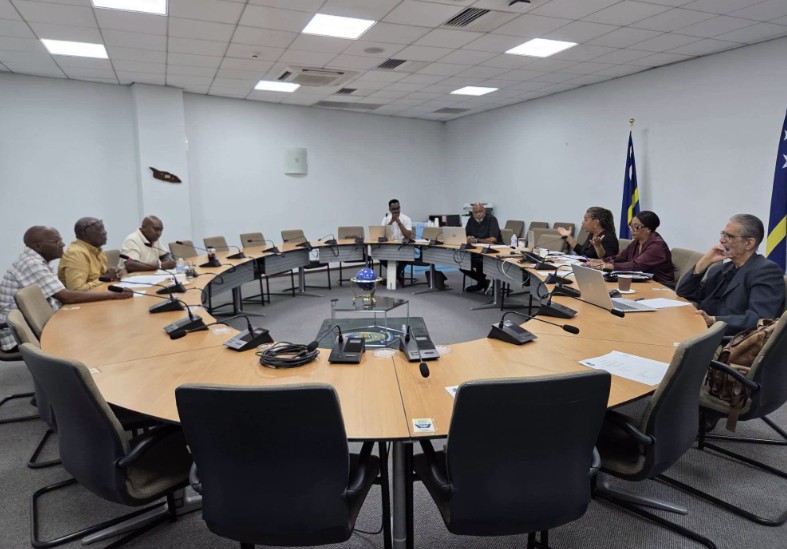
The issue is not new. Horecaf has been pushing for clearer rules surrounding service charges and their distribution among employees, arguing that hospitality workers do not always receive the money customers may believe is intended for staff.
In July 2025, Horecaf secretary Kenneth Valpoort said that the treatment of service charges and tips differed considerably between businesses. He alleged that in some establishments the service charge was not distributed to employees, while in other cases employers withheld part of workers’ tips. The union called for clearer legislation and stronger enforcement.
The debate is particularly relevant for Curaçao’s rapidly growing tourism industry, where hotels, restaurants and other hospitality businesses continue to require large numbers of employees.
Current practice is not uniform. According to information published by the Curaçao Tourist Board, service charges are generally around 10 percent in restaurants and 12 percent in hotels. The Tourist Board also distinguishes a service charge from a voluntary tip given by a customer.
Horecaf has previously proposed formalizing a service charge through legislation, arguing that regulation could provide employees with greater certainty about how the money is distributed.
The proposal has, however, generated disagreement within the hospitality industry.
In earlier discussions, the Curaçao Hospitality & Tourism Association (CHATA) opposed making a service charge legally mandatory. The organization argued that adding a mandatory 12 percent charge could make Curaçao more expensive as a tourism destination, potentially affect demand and ultimately have consequences for employment. CHATA also maintained that individual businesses should be able to determine their own policies regarding service charges and tips.
Supporters of regulation have countered that clear legislation could prevent situations in which customers pay a service charge believing it benefits employees while workers receive only part of the amount—or none of it. Former MAN parliamentarian Steven Martina previously argued that regulation would provide greater transparency and certainty for hospitality employees.
The issue has gained additional importance amid concerns about working conditions in Curaçao’s hospitality sector. Horecaf has argued that low wages, uncertain contracts, inadequate workplace training and disputes over tips and service charges contribute to difficulties in attracting and retaining local employees.
Wednesday’s parliamentary meeting gave Horecaf another opportunity to place the issue directly before lawmakers and explain its position on the 12 percent service charge.
No final decision or legislative agreement was announced following the committee meeting. The discussions nevertheless put the question of how service charges should be collected, regulated and distributed back on Parliament’s agenda as Curaçao’s hospitality and tourism industries continue to expand.