ROTTERDAM – Scientists, divers, and fishermen around the world are being called upon to help protect coral reefs through a new international initiative that uses fish eggs to support marine ecosystem restoration.
Dutch zoo Diergaarde Blijdorp and conservation organization RoffaReefs have launched Eggspedition.org, an online platform designed to map fish reproduction worldwide and gather valuable data that could help strengthen the resilience of oceans and coral reefs.
The initiative is based on a simple but innovative concept. Coral reefs around the world are under increasing pressure from climate change, pollution, and overfishing. Healthy fish populations play a critical role in maintaining reef ecosystems, yet relatively little is known about where and when many fish species reproduce.
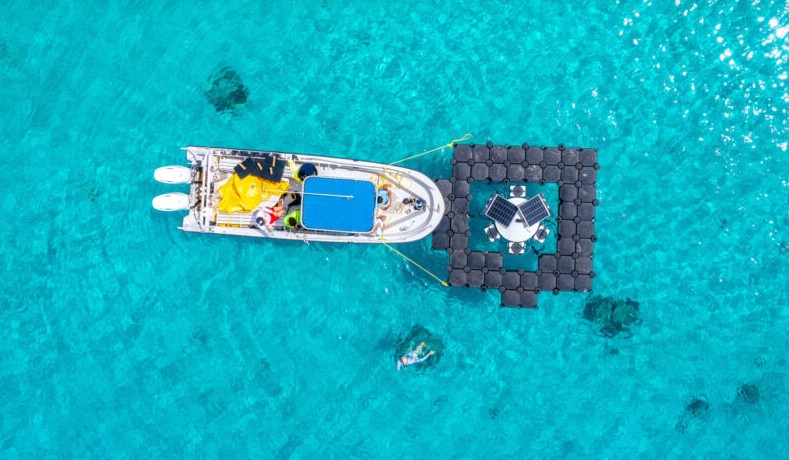
According to the organizations behind the project, approximately 80 percent of reef fish reproduce by releasing tiny eggs that drift with ocean currents. By identifying and tracking these eggs, researchers hope to gain a better understanding of fish populations and develop new ways to restore damaged marine environments.
RoffaReefs has already been testing a pioneering approach on Bonaire for the past five years. The organization collects fish eggs from the ocean, raises them in a protected environment, and later releases the juvenile fish back onto coral reefs. The method is intended to boost fish populations and support the recovery of reef ecosystems.
With the launch of Eggspedition.org, the project is now expanding beyond scientific teams and inviting public participation on a global scale. Divers, fishermen, marine enthusiasts, and citizen scientists can upload observations, photographs, videos, and data related to fish eggs and spawning behavior directly to the platform.
The information collected will help researchers identify spawning locations, monitor marine biodiversity, and better understand fish life cycles across different regions of the world.
The initiative has received support from the Dutch branch of the World Wide Fund for Nature (WWF-NL), which described the platform as a valuable tool for connecting local knowledge with scientific research.
According to WWF-NL, fishermen and divers often possess detailed firsthand knowledge of marine environments that can significantly contribute to conservation efforts when combined with scientific analysis.
The project’s organizers hope that by creating a global network of contributors, they can generate the data needed to support more effective reef restoration efforts and help protect some of the world’s most vulnerable marine ecosystems.
For islands in the Caribbean, including Curaçao and Bonaire, where coral reefs are vital for biodiversity, fisheries, tourism, and coastal protection, initiatives such as Eggspedition could provide new opportunities to support marine conservation and strengthen reef resilience in the face of growing environmental challenges.