WILLEMSTAD – Fundashon Museo Tula (FMT), together with several civil society organizations, has formally approached the Curaçao Parliament to request a debate on proposals for compulsory military service for young people within the Kingdom of the Netherlands and the possible consequences for Curaçao.
On Thursday, October 22, 2026, representatives of the foundation and other organizations met with Parliament President Fergino Brownbill to submit a petition requesting discussions with Parliament's Central Committee.
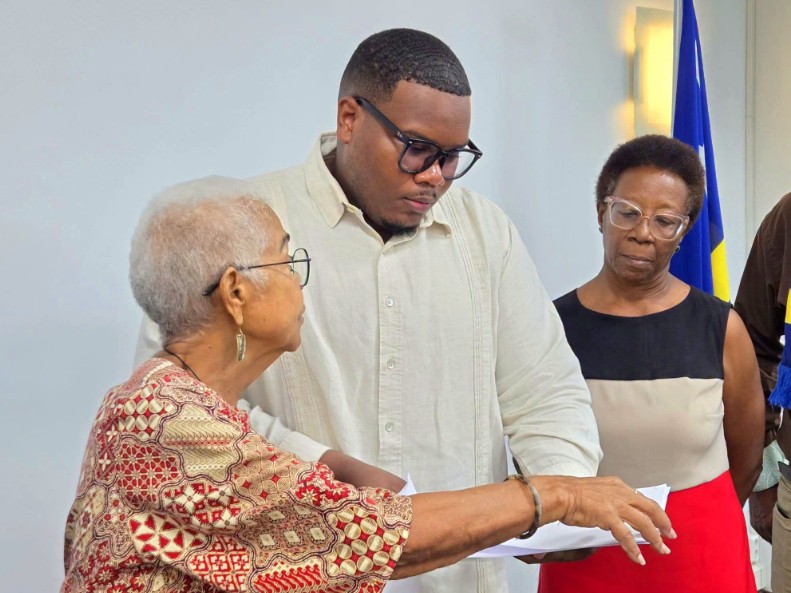
The organizations want parliamentarians to examine the implications of possible changes to military recruitment policies in the Netherlands, particularly whether young people living in Curaçao could eventually be affected.
The initiative is part of a broader Caribbean effort involving organizations in Aruba, Sint Maarten, and Sint Eustatius. FMT is also collecting signatures to strengthen public support for the petition.
Netherlands Preparing for Possible Compulsory Military Call-Up
The concerns arise as the Dutch government develops plans to expand its armed forces and prepare for a possible return to compulsory military call-ups if voluntary recruitment proves insufficient.
In September 2026, Dutch State Secretary for Defence Derk Boswijk outlined a new military service model aimed at young people between the ages of 18 and 27.
The proposed system would introduce several stages, beginning with voluntary participation and potentially progressing toward mandatory questionnaires, recruitment interviews, medical examinations, and ultimately compulsory reporting for military service.
However, the Dutch government has emphasized that voluntary recruitment remains its preferred approach. Compulsory military service is being considered only as a last resort if the international security situation deteriorates and military personnel requirements increase.
The proposals are still being developed, and additional legislation would be required before compulsory call-ups could be introduced.
Does the Proposal Apply to Curaçao?
One of the central questions raised by Caribbean organizations is whether changes to Dutch military service legislation could also affect young people living in the autonomous Caribbean countries of the Kingdom.
Research into Dutch government documents published in July indicated that the proposed selective military call-up system does not automatically apply to Curaçao, Aruba, or Sint Maarten.
Under Article 31 of the Charter for the Kingdom of the Netherlands, residents of these three countries can only be compelled to perform military or civilian service through legislation adopted by their respective countries.
This means that a decision by the Dutch government to introduce compulsory military service in the European Netherlands would not, by itself, establish a similar obligation for residents of Curaçao.
Nevertheless, Caribbean organizations have requested formal clarification from the Kingdom authorities about the scope of the proposals and the legal safeguards protecting the autonomous countries.
They have also called for consultation and democratic participation before any measures affecting Caribbean residents are considered.
Concerns Extend Across the Caribbean
The petition submitted in Curaçao reflects concerns that have also emerged elsewhere in the Dutch Caribbean.
In Sint Maarten, the subject of military training and service for young people has already generated parliamentary debate.
Earlier this month, Sint Maarten Justice Minister Nathalie Tackling questioned proposals for military-style training programs, emphasizing the need to distinguish between professional military service and voluntary social development programs.
She also warned that implementing such programs would require clear agreements, administrative capacity, and financial resources.
The discussions demonstrate that military service is becoming an increasingly relevant issue across the Caribbean parts of the Kingdom, although the proposals being discussed differ significantly.
Petition Seeks Parliamentary Discussion
Fundashon Museo Tula and its partner organizations want the Curaçao Parliament to examine the possible social, legal, and constitutional consequences of compulsory military service.
Their request for a Central Committee meeting would provide an opportunity for parliamentarians to discuss the issue and seek clarification about Curaçao's position within the Kingdom's defense arrangements.
The foundation is coordinating with organizations in Aruba, Sint Maarten, and Sint Eustatius while continuing to collect signatures in support of the initiative.
The involvement of organizations from several islands reflects a shared interest in ensuring that Caribbean communities are consulted on policies that could affect their young people.
The petition comes as the Netherlands continues examining ways to strengthen its armed forces amid changing international security conditions.
Although no automatic extension of the proposed Dutch compulsory call-up system to Curaçao has been established, the organizations believe the potential consequences warrant parliamentary attention before any further decisions are made.
It has not yet been announced whether Parliament will schedule the requested Central Committee meeting or when the petition will be discussed.