WILLEMSTAD – The Monument Council of Curaçao is calling on Minister of Culture Sithree van Heydoorn to move quickly with plans to acquire and protect Ser’i Neger at the former Fontein plantation, a historically significant location connected to Curaçao’s 1795 slave uprising.
The appeal comes as Curaçao commemorates the beginning of the uprising on August 17, a day known as Dia di Tula or Dia di Lucha pa Libertat — Day of the Struggle for Freedom.
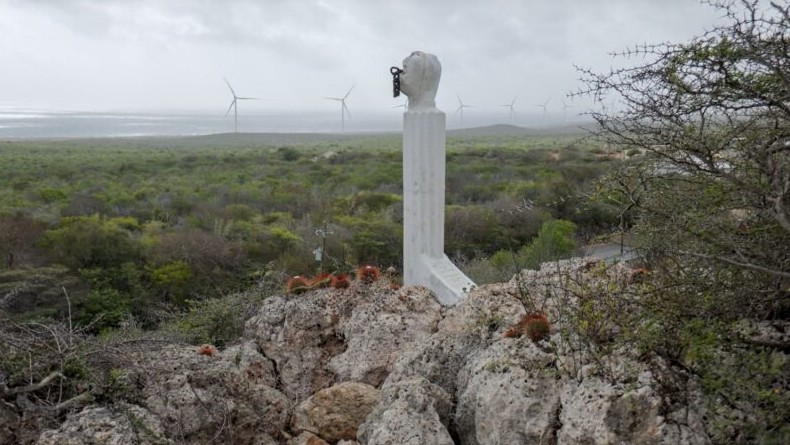
Ser’i Neger was the scene of a major battle during the 1795 uprising, which was led by Tula and became one of the most important acts of resistance against slavery in Curaçao’s history.
The Monument Council wants the area preserved and eventually developed as a national “Place of Memory,” where future generations can learn about the uprising and where recognition, education and commemoration can take place.
The idea is not new. Previous Curaçao governments have also supported efforts to preserve the site because of its historical importance. The Monument Council is now urging Van Heydoorn to advance the acquisition process.
For financing, the council points to funds available through the Action Agenda on the History of Slavery. The Netherlands has made more than $6 million available in connection with that program, according to the council.
If purchasing the entire area at once proves difficult, the Monument Council suggests that acquisition could potentially take place in phases.
The call takes on additional significance on August 17, when Curaçao commemorates the uprising that began in 1795.
Tula and other enslaved people rose against the system of slavery and demanded their freedom. The revolt developed into a major confrontation with the colonial authorities and remains a defining moment in Curaçao’s history.
For generations, Tula and his fellow resistance fighters were officially portrayed as criminals. That historical interpretation has changed significantly.
In 2010, Curaçao formally recognized Tula and the other fighters of the 1795 uprising as resistance heroes.
Another major step followed in 2023, 228 years after the revolt, when the Dutch government formally rehabilitated Tula and recognized him as a resistance hero.
The Monument Council believes protecting Ser’i Neger would provide a permanent physical location where this history can be preserved and passed on.
Turning the site into a national Place of Memory would also ensure that the story of the 1795 uprising is connected to the actual landscape where part of the struggle took place, rather than being remembered solely through ceremonies, monuments and historical accounts.
The council is therefore calling on the Culture Minister to take concrete steps toward securing the land and ensuring that Ser’i Neger receives long-term protection as part of Curaçao’s national heritage.