WILLEMSTAD – Opposition party MAN-PIN is questioning why Curaçao's reported economic growth and government budget surpluses have not translated into better healthcare services, accusing the Pisas administration of failing to use the country's improving financial position to address growing problems affecting patients and medical professionals.
In a statement issued Tuesday, November 3, 2026, the parliamentary faction challenged the government to explain why healthcare institutions continue to face financial difficulties while public revenues have increased.
The party raised concerns about growing patient waiting lists, the cost of sending residents abroad for medical treatment, and the departure of healthcare professionals seeking better working conditions outside Curaçao.
MAN-PIN argues that these developments contradict the government's presentation of economic progress and raise fundamental questions about who is benefiting from the island's growth.
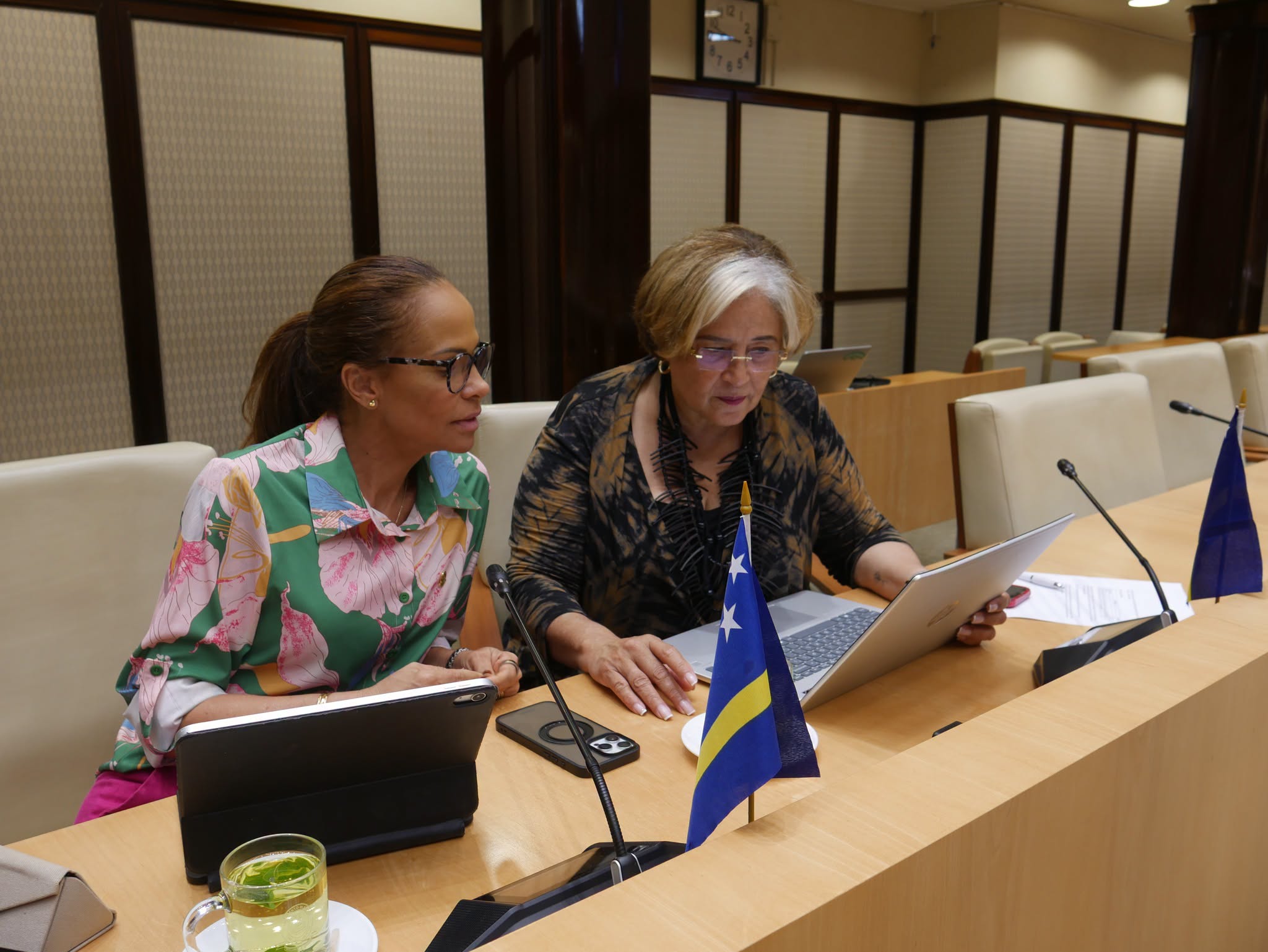
Opposition MPs for the MAN-PIN party
Economic Growth Has Not Resolved Healthcare Problems
According to the opposition faction, Curaçao's healthcare sector has faced increasing financial pressure over the past five years, even as the economy has expanded and the government has generated additional revenue.
MAN-PIN believes the government should use available financial resources to strengthen essential public services instead of allowing healthcare providers to struggle with reimbursement rates that have not kept pace with operating costs.
The party specifically questioned the government's repeated references to budget surpluses.
If additional funds are available, MAN-PIN argues, the government should explain why those resources are not being used to guarantee adequate medical care for the population.
The faction considers access to healthcare a fundamental responsibility of government and believes financial policy should reflect that priority.
Its criticism comes amid renewed tensions involving general practitioners, pharmacists, and other healthcare institutions demanding adjustments to their compensation.
Growing Waiting Lists and Treatment Abroad
MAN-PIN expressed particular concern about the consequences of healthcare financing problems for patients.
According to the faction, waiting lists continue to grow while more residents are referred abroad for medical treatment.
The party argues that sending patients overseas creates additional costs for healthcare insurance arrangements funded through premiums paid by the population.
Although overseas treatment may be necessary when specialized services are unavailable locally, MAN-PIN believes the government should do more to strengthen Curaçao's own healthcare capacity.
The faction maintains that continued reliance on foreign medical services does not improve the financial sustainability of the domestic healthcare system.
It also warned that the departure of healthcare professionals seeking better employment conditions elsewhere could further weaken the island's ability to provide timely medical treatment.
For patients, these pressures raise concerns about access to care and the long-term availability of qualified medical personnel.
Government Leaders Criticized Over Overseas Medical Care
In its statement, MAN-PIN also questioned why government officials sometimes travel abroad to receive medical treatment while the healthcare system in Curaçao continues to face unresolved problems.
The faction suggested that political leaders should place greater emphasis on improving medical services available to the population at home.
Its criticism reflects a broader concern about whether government officials and ordinary residents experience the same challenges when seeking healthcare.
However, the party did not identify specific officials, medical procedures, or circumstances surrounding the overseas treatment it referenced.
The central argument presented by MAN-PIN is that Curaçao's leaders should prioritize building a healthcare system capable of meeting the needs of the population.
Healthcare Providers Demand Financial Adjustments
The opposition party linked its criticism of government spending priorities to the ongoing dispute involving general practitioners.
Family doctors began strike action on November 2 while seeking higher reimbursement rates.
The government has pursued legal action in connection with the dispute, a decision MAN-PIN believes fails to address the underlying problem of rising operating costs.
The faction also pointed to pharmacists who say they have waited three years for the government to review their tariffs despite having submitted the necessary financial information.
In addition, nine healthcare institutions have reportedly warned that existing subsidies or reimbursement arrangements are insufficient to sustain the required level of care.
According to MAN-PIN, these separate developments demonstrate that the government must adopt a coordinated approach to healthcare financing.
The party argues that resolving one dispute through legal proceedings will not eliminate similar financial pressures elsewhere in the sector.
Who Benefits From Curaçao's Economic Growth?
MAN-PIN concluded its statement by challenging the government's economic priorities.
The faction argues that economic growth should be measured not only through higher revenues or favorable budget results but also through improvements in essential services and the well-being of residents.
It believes the financial difficulties affecting healthcare providers demonstrate that economic progress has not been adequately translated into improvements for the population.
The party is therefore calling for urgent action to establish realistic healthcare tariffs and subsidies that reflect current operating expenses.
It also wants the government to explain how its financial policies will contribute to reducing waiting lists, retaining healthcare professionals, and improving access to medical treatment.
MAN-PIN ended its criticism with a question directed at the Pisas administration: "Who is the economy growing for?"
For the opposition faction, the answer should be reflected in the quality and accessibility of healthcare available to every resident of Curaçao.