LEIDEN – King Willem-Alexander has described the findings of a major independent investigation into the colonial history of the House of Orange-Nassau as “painful and confronting,” after researchers concluded that the Dutch royal family supported colonialism and slavery for centuries and benefited substantially from the colonial system.
The King received the results Friday at Leiden University from lead researcher Professor Gert Oostindie. The investigation, initiated by Willem-Alexander himself in 2022, involved around 60 researchers and authors and examined the role of the House of Orange-Nassau in Dutch colonial history from 1600 to the present.
The findings show that successive members of the House of Orange-Nassau gave long-standing and active support to Dutch colonialism, including slavery while it remained part of the colonial system. According to the researchers, colonial warfare and the violent suppression of uprisings were generally regarded by the Oranges as legitimate instruments for maintaining Dutch colonial rule.
The study nevertheless makes a distinction between support for colonialism and direct political control. The Oranges generally had limited influence over the actual formulation of colonial policy, particularly during periods when constitutional government restricted the monarch's political authority.
Their symbolic importance, however, was considerable. The monarchy provided colonialism with prestige and legitimacy and maintained close connections with the institutions and individuals involved in the Dutch colonial system.
The investigation also concludes that the royal family profited financially from colonialism. Particularly during the 19th century, income connected to the Dutch East Indies generated substantial wealth for the House of Orange-Nassau. Researchers estimate the benefit at roughly half a billion euros when translated into present-day values.
According to the findings, fundamental criticism of colonialism did not emerge from within the Royal House until Queen Juliana took the throne in 1948. The research traces how the monarchy’s position subsequently evolved from support for colonial expansion toward a much more complicated relationship with decolonization and the continuing legacy of colonialism.
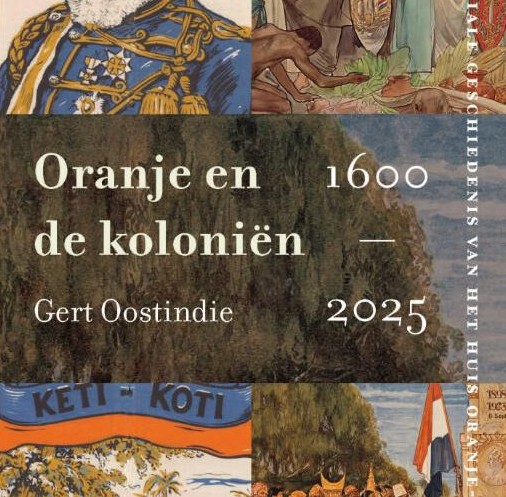
The scale of the research is significant. The results have been published in several volumes examining the royal family from different perspectives, including political power, financial benefit and prestige, the long-term consequences of colonialism and comparisons with other European monarchies. Oostindie also produced the general-public volume “Oranje en de koloniën, 1600-2025.”
Willem-Alexander gave the researchers broad access to the Royal Archives. Oostindie previously explained that the research team operated independently and that the King did not interfere with its work after commissioning the investigation.
The findings form part of a broader effort by Willem-Alexander to confront difficult chapters in Dutch and royal history. In recent years, the King has apologized for the Netherlands’ role in slavery and for Dutch violence during the Indonesian war of independence.
The colonial investigation is particularly relevant to Curaçao and the other Caribbean parts of the Kingdom, where the consequences of Dutch colonialism and slavery remain central to discussions about history, identity and relations within the Kingdom.
The King said after receiving the study that the past cannot be changed, but that acknowledging and understanding it can contribute to building a better future.
The full research represents one of the most extensive examinations ever conducted into the relationship between the Dutch monarchy and more than four centuries of colonial rule. Its conclusions show that while the Oranges were not always the architects of colonial policy, they were for centuries closely connected to a system from which the monarchy derived prestige, influence and substantial financial benefits.