WILLEMSTAD – A major international research project examining the lasting impact of Dutch slavery and colonialism has secured more than €3.2 million in funding through the Dutch National Research Agenda (Nationale Wetenschapsagenda), opening the door for new studies into how the past continues to shape societies today.
The project, titled Slavery Past Present, is led by Alana Helberg-Proctor of the University of Amsterdam and brings together an international consortium of researchers, universities and social organizations.
The study will focus on the long-term effects of slavery and colonialism, particularly how those histories continue to affect descendants of enslaved people and indigenous communities.
Research will be carried out across several regions closely connected to Dutch colonial history, including Suriname, the Caribbean part of the Kingdom, South Africa, Indonesia and the Netherlands.
For Curaçao and the wider Dutch Caribbean, the project is particularly relevant given the islands’ central role in the transatlantic slave trade and colonial economy.
Historians estimate that Curaçao served as one of the most important slave trade hubs in the Caribbean during the Dutch colonial period, functioning as a major transit point for enslaved Africans brought to the Americas.
Researchers say the project will explore not only historical records but also the social, economic and psychological consequences that continue to be felt today.
That includes questions of inequality, identity, cultural memory and structural disadvantage.
According to the research team, there remains a significant lack of knowledge and public understanding about how slavery’s legacy continues to influence modern societies.
The project aims to close that gap by combining academic research with lived experiences from affected communities.
Dozens of researchers and partner organizations from both the Netherlands and abroad will contribute to the project, including institutions from the Caribbean part of the Kingdom.
The international collaboration is intended to provide a broader and more comparative understanding of colonial legacies across different regions.
The project also comes at a time when debates about slavery, reparations and historical recognition have intensified within the Kingdom.
In recent years, the Dutch government formally apologized for its role in slavery, while institutions across Curaçao, Aruba and other former colonies have increasingly pushed for deeper recognition and restorative justice.
Researchers say the new funding will help produce new insights into both the historical and present-day effects of slavery and contribute to ongoing discussions about recognition, healing and possible forms of repair.
For Curaçao, where slavery remains deeply woven into the island’s history and identity, the project may help strengthen both academic knowledge and public understanding of a past that continues to shape the present.
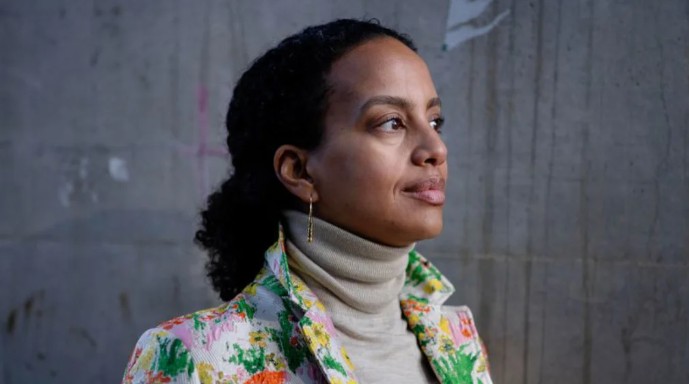
Photo: Alana Helberg-Proctor Bart Maat