Hidden Worker Housing, Visible Neglect—and a Test for Curaçao
This was not an investigation.
It was observation.
And that is precisely what makes it uncomfortable.
Because what is now visible to ordinary eyes
should never have been invisible to those in charge.
What Is Being Seen
Across residential areas in Curaçao, a pattern is quietly emerging:
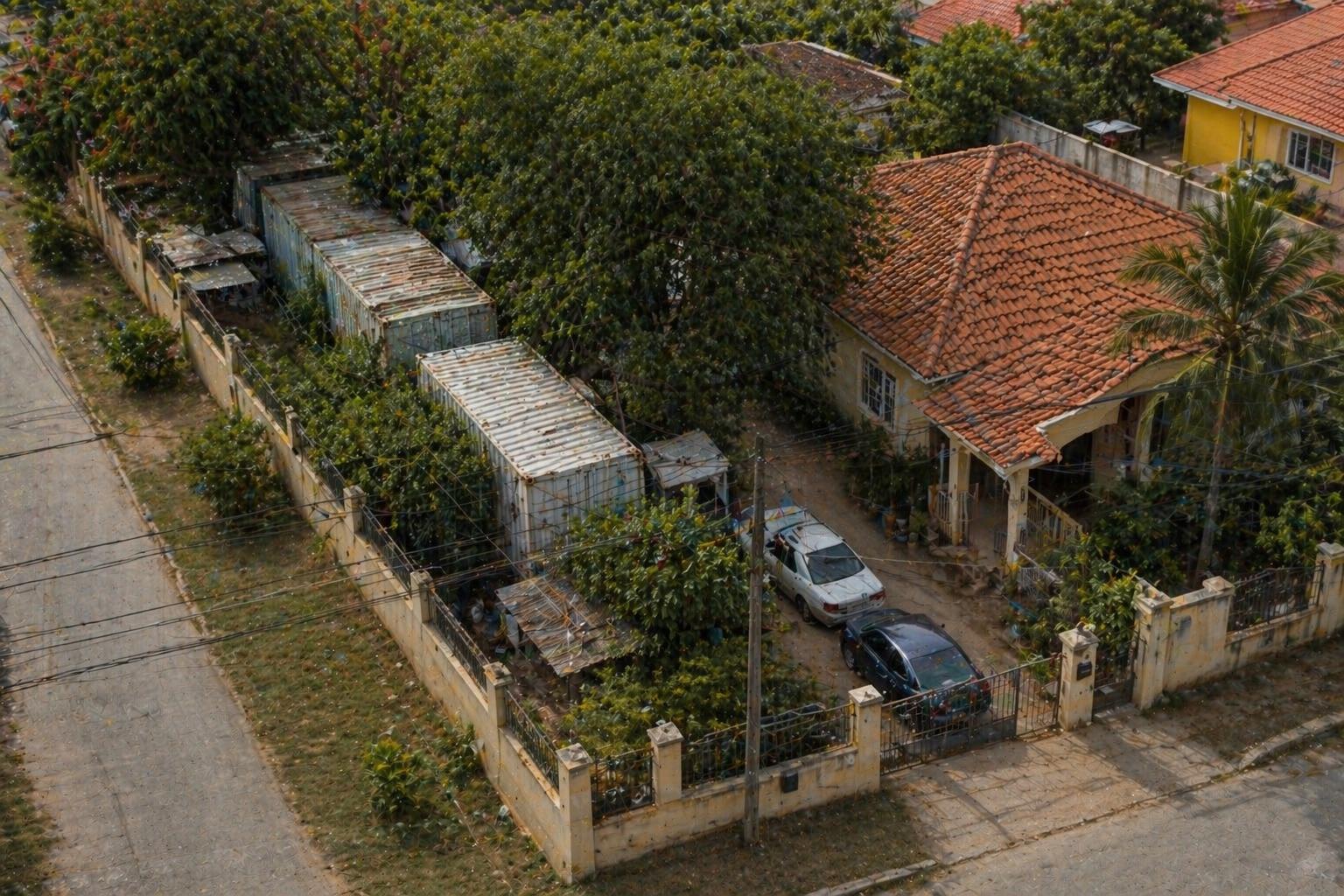
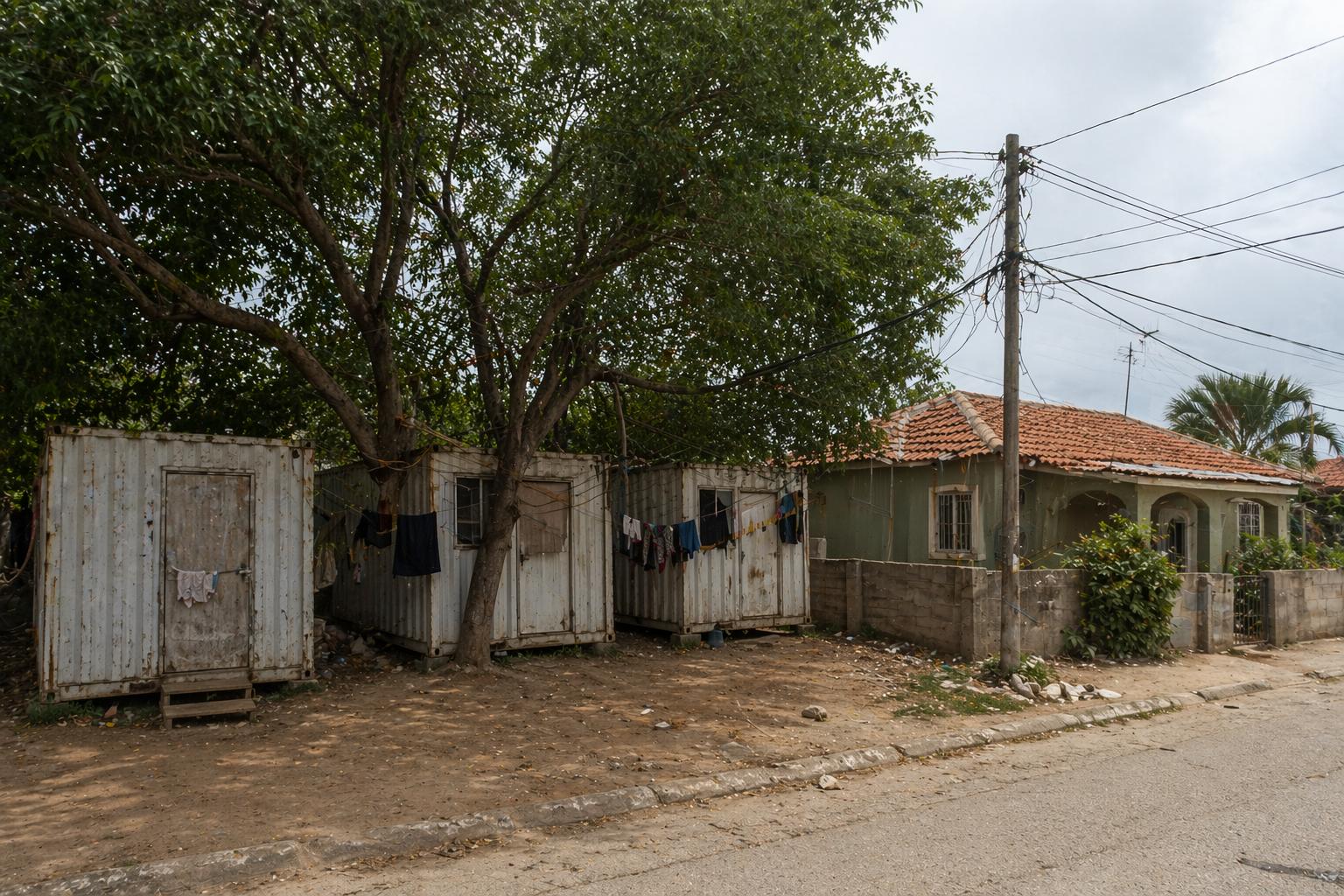
• Containers used as living quarters
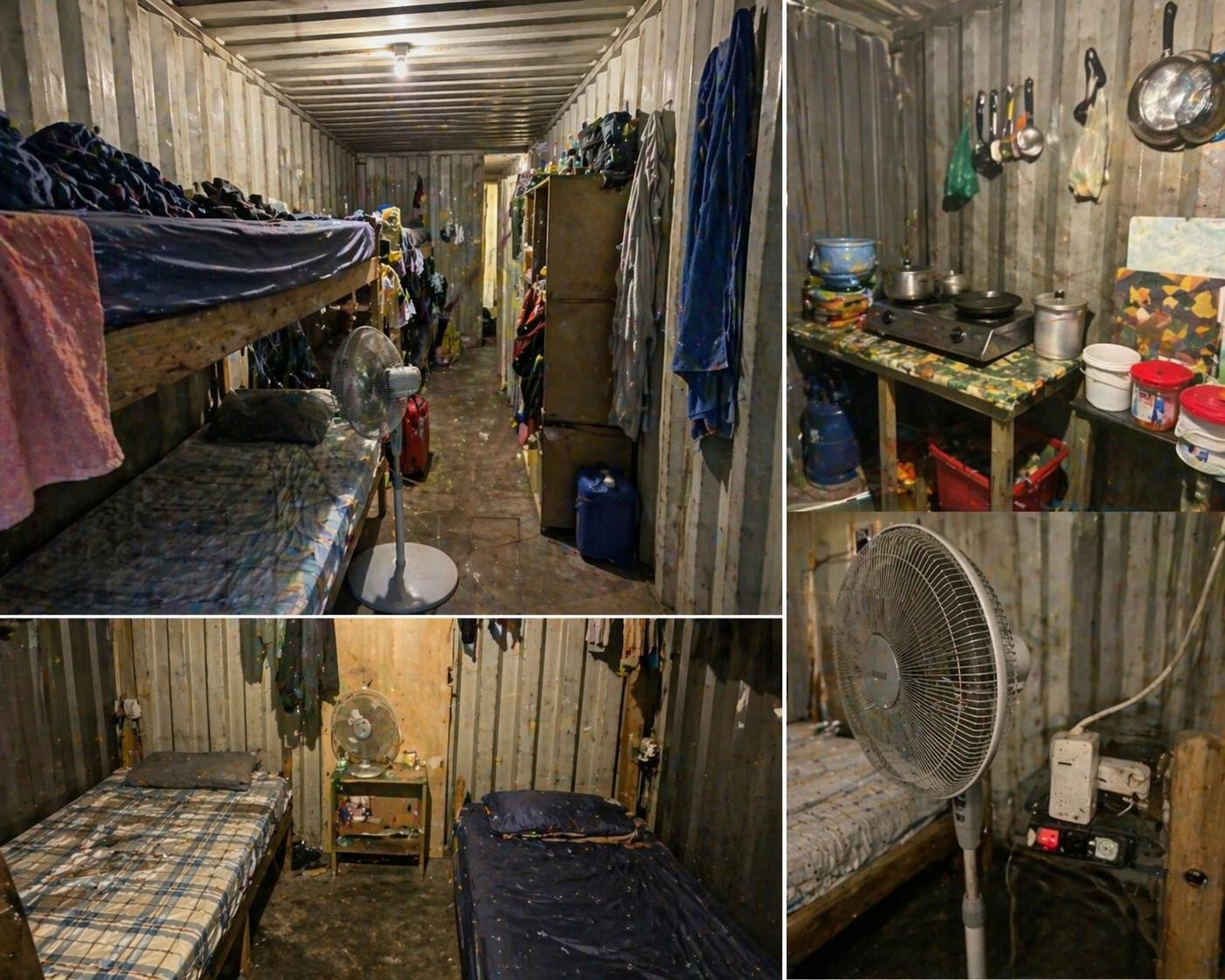
• Workers housed in tight, shared spaces
• No air conditioning in tropical conditions
• Fans used as the only form of relief
• Improvised kitchens
• Unsafe electrical connections
• Units placed behind homes, out of sight
• Access controlled through private property
Not temporary.
Not incidental.
Structured. Repeated. Intentional.
The Line That Cannot Be Crossed
Let us be direct:
•• If we can detect this—authorities should already know.
And if authorities already know:
••Why has it not been corrected?
There is no neutral space between those two realities.
Only two possibilities exist:
1. It was not detected → failure of inspection
2. It was detected → failure to act
Both demand accountability.
Responsibility Has Names
This is not abstract.
Responsibility lies with:
• SOAW — worker welfare and conditions
• Fire Department — safety and risk prevention
• Urban Planning & Inspection — legality of structures
• Labor Inspection — enforcement of agreements
These are not symbolic roles.
•• They exist precisely to prevent situations like this.
A Risk Waiting to Happen
Let us not wait for headlines to confirm what we already see.
Improvised electrical systems + confined container spaces + heat
= a predictable risk scenario.
-- Fire.
-- Health emergencies.
-- Human harm.
If something happens tomorrow—
Will we say:
“We didn’t know”?
The Silent Reality of Workers
Workers brought to Curaçao:
• Depend on their employer
• Often cannot speak freely
• May not understand their rights
• May be financially tied through deductions
Silence does not equal consent.
The Position of Developers
Let this also be clear:
If everything is compliant—
Then inspection will confirm it.
But if not—
•• Then responsibility will follow.
Development without standards
is not progress.
It is exposure.
This Is a Test
This moment is not about blame.
It is about response.
-- Will institutions act because they are responsible?
--Or only after public pressure forces them to?
Do something abou it!
We have already crossed a line.
Because once a situation becomes visible—
Inaction becomes a choice.
And the question is no longer:
“Is this happening?”
But:
-- Who will act now that we can all see it?”
See graphic illustration to be verified
By Tico Vos
Columnist, Reporter and Researcher