PORT-AU-PRINCE – Crime specialists discussing Haiti's ongoing security crisis have alleged that some individuals responsible for directing and financing the country's powerful criminal gangs are living comfortably in the neighboring Dominican Republic, far removed from the violence affecting millions of Haitians.
The allegations were raised during a television discussion in which specialists called for investigations into the financial networks and influential individuals suspected of supporting Haiti's armed gangs.
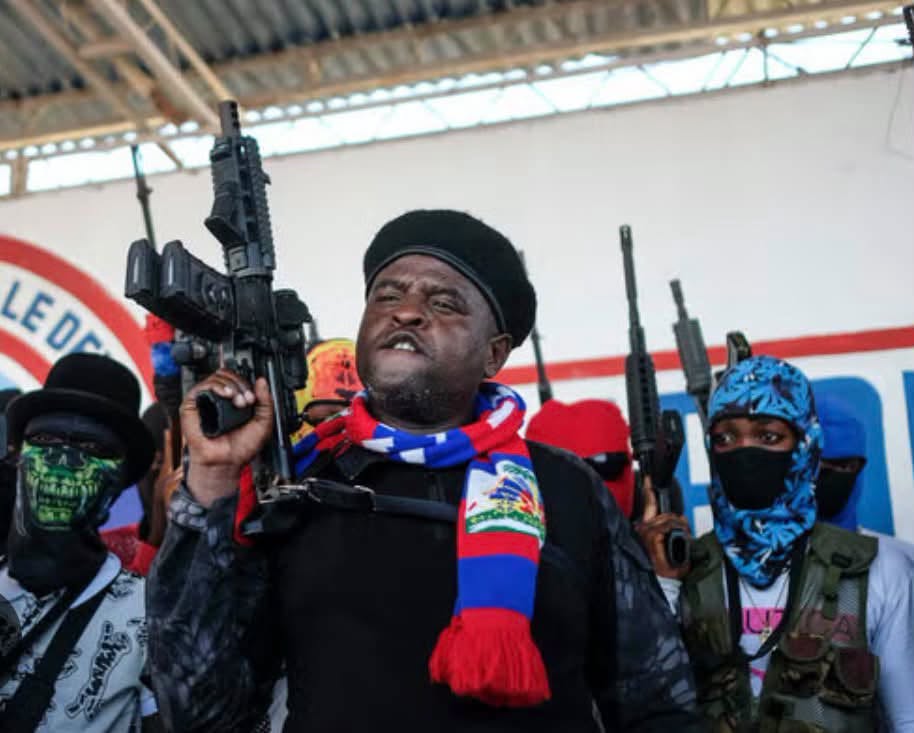
Haiti gangs
According to the experts, efforts to dismantle criminal organizations should not focus exclusively on gang members operating in Haitian neighborhoods. Investigators must also identify those who allegedly provide money, logistical assistance, and protection to the criminal groups.
"Those are the people we must go after," the specialists argued, emphasizing that individuals suspected of financing gang activities should also face investigation and, where supported by evidence, prosecution.
The statements draw attention to the financial networks that may allow armed groups to continue operating despite efforts by Haitian authorities and international security forces to restore order.
Haiti has experienced a prolonged security crisis involving heavily armed gangs that have expanded their influence over neighborhoods, transportation routes, and commercial activities.
The violence has forced large numbers of residents to flee their homes, disrupted economic activity, and severely affected access to essential services.
Against this background, the specialists argued that arresting armed gang members alone would not be sufficient to dismantle the criminal structures responsible for the violence.
They maintained that identifying the individuals who finance and facilitate these organizations is equally important.
The allegations concerning individuals residing in the Dominican Republic, however, have not been substantiated by evidence presented in the information available from the television discussion.
No specific individuals were identified in the account, and no details were provided about criminal investigations or judicial proceedings involving the alleged financiers.
Living in the Dominican Republic does not, by itself, establish any connection to criminal activity in Haiti.
Any allegations of involvement in gang financing would require credible evidence, appropriate investigations, and judicial scrutiny before criminal responsibility could be established.
The specialists' comments nevertheless raise broader questions about the cross-border dimensions of organized crime and the importance of cooperation between authorities investigating financial transactions and criminal networks.
Because Haiti and the Dominican Republic share the island of Hispaniola, cooperation between their authorities could be relevant to investigations involving individuals, businesses, or financial activities operating across the border.
Such investigations would need to comply with the laws of both countries and applicable international agreements.
The experts emphasized that confronting Haiti's gang crisis requires more than security operations against armed groups. They argued that authorities must also investigate the sources of financing that allow criminal organizations to acquire weapons, maintain their operations, and exercise influence.
Their central message was that individuals who knowingly finance or protect criminal gangs should not escape accountability simply because they are located outside Haiti.
For the allegations raised during the television discussion to lead to legal action, investigators would first need to establish whether the suspected financial networks exist, identify those involved, and determine whether sufficient evidence supports criminal charges.
The claims remain unverified, but the discussion highlights an important question in Haiti's struggle against organized crime: whether efforts to restore security can succeed without also disrupting the financial and logistical networks that sustain the gangs.