WILLEMSTAD – Governor of Curaçao Lucille George-Wout's successor, Governor Mauritsz de Kort, paid a working visit to Carmabi on Friday, May 29, receiving an in-depth overview of the organization's scientific research, conservation efforts, educational programs, and future development plans.
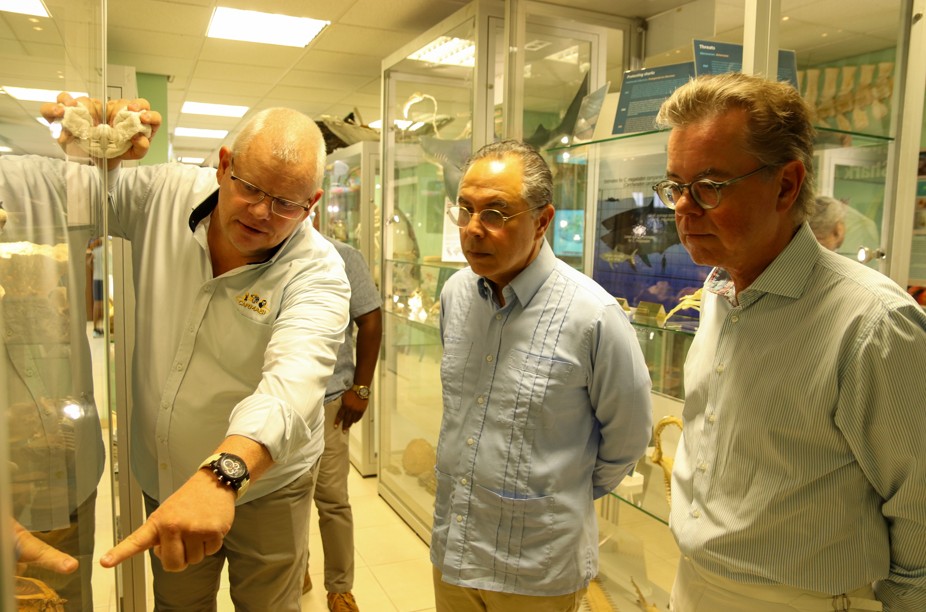
The visit began with a reception by Carmabi's management and Supervisory Board, followed by a tour of the Marine Education Center in Piscadera. Students from Marnix School also participated in the program, taking part in educational activities focused on nature and environmental awareness.
As part of the visit, the governor joined a guided kayak tour led by Carmabi's park manager and conservation rangers, providing a firsthand look at the island's natural environment and ongoing conservation work.
One of the key presentations during the visit focused on the condition of Curaçao's coral reefs. Carmabi Scientific Director Mark Vermeij presented findings from the recently released report, State of Curaçao's Coral Reefs 1973–2045.
According to the report, Curaçao's coral reef ecosystems have faced increasing pressure over recent decades due to pollution, climate change, coral diseases, and overfishing. Despite these challenges, the report concludes that Curaçao still possesses some of the healthiest and best-functioning coral reefs in the Caribbean.
Researchers emphasized that targeted conservation measures and continued environmental protection efforts can play a critical role in preserving and restoring these ecosystems for future generations.
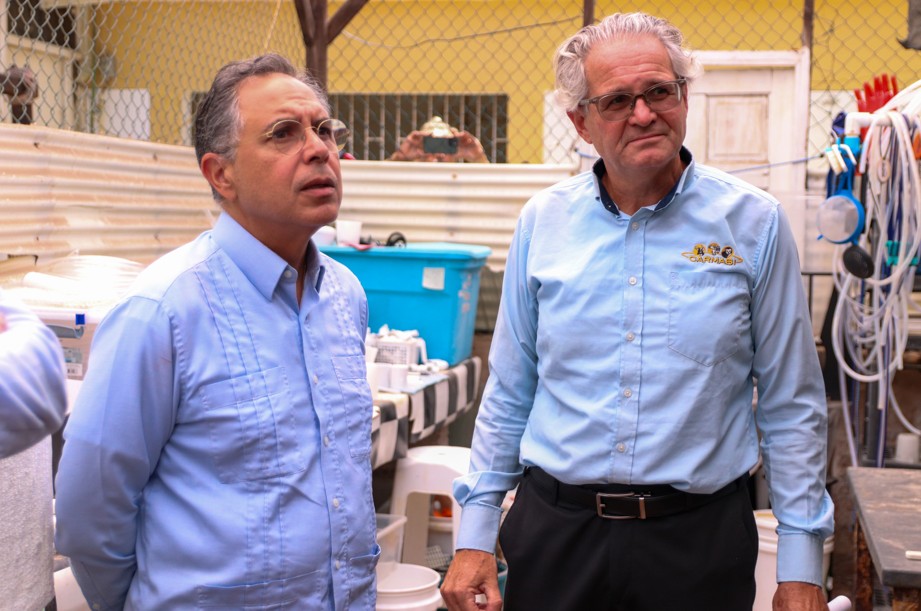
The governor was also briefed on several major conservation and heritage projects currently being developed by Carmabi. These include plans for the continued development of Shete Boka National Park, initiatives related to Seru Largu National Park, the Savonet Museum Master Plan 1885, and new projects within Christoffel National Park.
In addition, the delegation visited Carmabi's heritage archive digitization project, its new laboratory facilities, and a plant nursery supporting environmental restoration efforts.
The visit also included a presentation on the work being carried out by SECORE International in Curaçao. The organization is involved in innovative coral reproduction and reef restoration projects aimed at strengthening the resilience of Caribbean coral ecosystems.
According to Carmabi Managing Director Manfred van Veghel, the governor's visit underscored the importance of science, environmental stewardship, and collaboration in protecting Curaçao's natural resources.
“Carmabi works every day to protect and restore nature in Curaçao and throughout the Caribbean. It was valuable to show the governor how science, education, and conservation come together in our work,” Van Veghel said.
The visit highlighted the growing importance of environmental conservation and scientific research as Curaçao seeks to balance economic development with the protection of its unique natural heritage.