WILLEMSTAD – The Curaçao government has decided to establish a special working group to examine fire hazards at scrapyards and other high-risk locations following the major blaze at the Heintje Kool industrial area in Bivak on Thursday, October 22, 2026.
The decision was reached during a government meeting convened by Prime Minister Gilmar Pisas on Friday, October 23, bringing together ministers, emergency services, environmental authorities, and other institutions involved in responding to the fire.
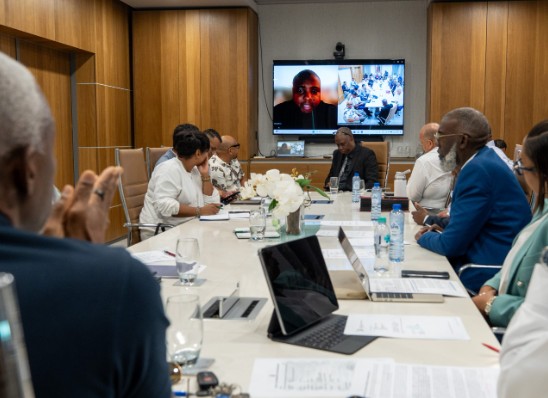
The working group will operate under the coordination of Lesley Fer, Director of the Directorate of Risk Management and Disaster Control (DRR) and National Crisis Coordinator.
Its primary responsibility will be to strengthen fire prevention and risk management at scrapyards and other facilities where combustible materials or operational conditions may create an increased risk of fire.
According to the government, the participating institutions will work together to evaluate existing conditions, identify potential hazards, and coordinate preventive measures and action plans.
The initiative reflects growing attention to the need for stronger oversight of locations where fires could have consequences beyond the boundaries of an individual business.
One of the central issues discussed during the meeting was the relationship between permits, inspections, and enforcement.
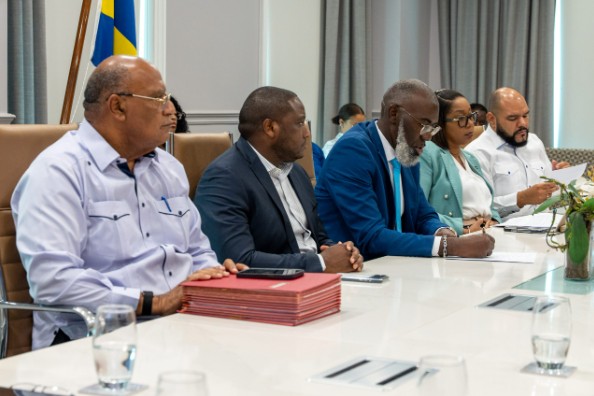
Government officials acknowledged the importance of ensuring that agencies responsible for issuing permits and monitoring compliance coordinate their activities more effectively.
The objective is to identify risks before emergencies occur and encourage businesses to comply with the safety and operational requirements established by the relevant authorities.
The working group is expected to focus on improving cooperation between the institutions involved in industrial safety, environmental supervision, emergency preparedness, and crisis management.
The government emphasized that preventing future incidents requires a multidisciplinary approach rather than relying exclusively on emergency services after a fire has already started.
Under the new arrangement, the participating agencies will examine potential risks and determine which preventive measures and coordinated actions are necessary.
The government has not yet announced a timetable for the working group's activities or indicated when its initial findings and recommendations will be presented.
The decision follows the large industrial fire that began Thursday afternoon at Heintje Kool, prompting a response from firefighters and other authorities.
By establishing the working group, the government aims to move beyond responding to individual emergencies and develop a more coordinated approach to identifying and reducing fire hazards.
Officials emphasized that strengthening prevention and preparedness is essential to protecting nearby communities, reducing the likelihood of major fires, and limiting their potential consequences.
The government reaffirmed its commitment to improving cooperation between public institutions and ensuring that safety considerations receive greater attention before emergencies occur.