MIAMI, WILLEMSTAD – Nelson Ramiz, former president and shareholder of Venezuela's Aeropostal Alas de Venezuela, has revealed an ambitious plan to revive the historic airline or establish a new carrier, with an estimated investment exceeding $350 million over five years. The project, known as “Ifly Aeropostal,” includes plans to operate up to 35 aircraft, restore domestic and international air connections, and establish several daily flights between Curaçao and Venezuela, with the possibility of eventually developing Curaçao into a secondary aviation hub.

Photo archive: Nelson Ramiz (standing fourth from left) with his Aeropostal team promoting Curaçao flights
In an extensive interview, Ramiz outlined his vision for returning to Venezuela's aviation industry, the political and economic conditions necessary to attract private investment, and the potential opportunities for Curaçao as Venezuela undergoes what he describes as a process of national recovery.
Ramiz, who previously led Aeropostal during one of its most successful periods, said his interest in returning to the airline industry has never disappeared, despite having been forced to leave Venezuela and separate himself from the company after 11 years.
His proposed return, however, depends on significant changes in Venezuela's business environment, particularly the restoration of legal certainty, protection of private property and the establishment of an independent judiciary.
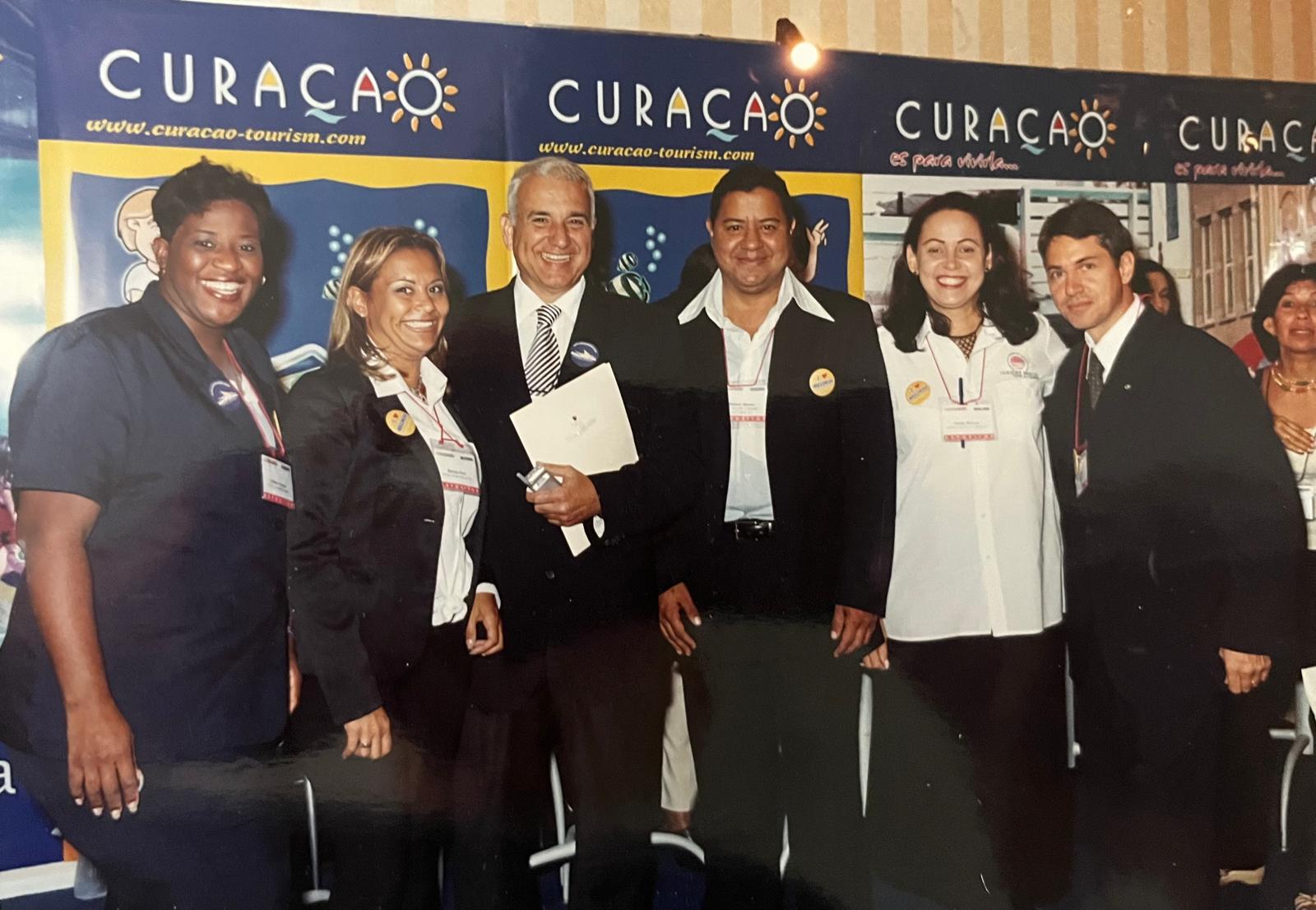
Photo archive: Nelson Ramiz (third from left)
Venezuela Is Experiencing a Recovery, Not Simply an Opening
Asked about the political and economic changes currently taking place in Venezuela, Ramiz said he considers the developments more accurately described as a recovery than an opening.
He believes the country must first restore democratic values before it can rebuild the confidence necessary to attract substantial private investment.
According to Ramiz, the recovery of democratic institutions must be accompanied by legal guarantees that protect private property and allow businesses and individuals to operate within a constitutional framework.
He stressed that investors must be confident that their rights will be respected and that government officials cannot arbitrarily change the rules governing private businesses.
Equally important, he said, is the availability of independent and impartial judges who can protect those rights when disputes arise.
Ramiz acknowledged that Venezuela still faces considerable political and institutional obstacles.
Nevertheless, he expressed optimism about the direction of the country's recovery, while emphasizing that much work remains to be done.
For Ramiz, restoring confidence in the rule of law is a fundamental requirement for rebuilding Venezuela's economy and aviation sector.
A Promise to Return to Aeropostal
Ramiz recalled the circumstances surrounding his departure from Venezuela and Aeropostal, an airline he helped develop over more than a decade.
He said that when he left the country, he made a personal promise at the airport.
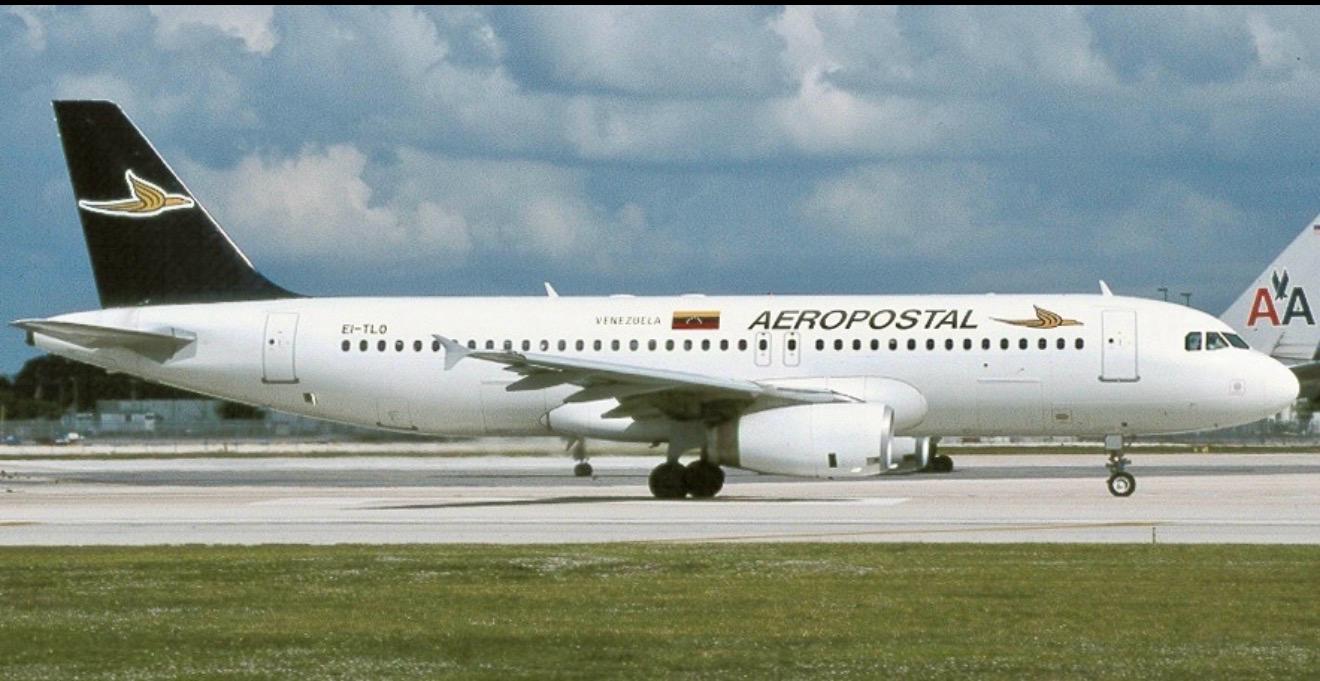
Aeropostal Airbus A320
“I will come back,” he recalled saying.
That commitment, according to Ramiz, has remained an important motivation behind his efforts to return to the aviation industry.
He described the airline he once managed as Venezuela's leading carrier during that period, attributing its success to the work of an experienced and dedicated team.
Today, however, Aeropostal operates under the control of the Venezuelan state and faces serious financial and operational difficulties, according to Ramiz.
He claimed that the airline is practically bankrupt and continues operating through government subsidies that, based on figures he has received, exceed $1 million per month.
Ramiz also stated that the airline currently operates only two aging MD-series aircraft for a limited number of flight hours each month, despite maintaining a workforce of more than 400 employees.
These figures were provided by Ramiz and have not been independently verified.
Despite the airline's reported difficulties, Ramiz said he remains interested in recovering and relaunching Aeropostal.
He confirmed that his representatives have already approached the government of Venezuela's acting president to communicate their interest in the airline.
However, he did not indicate that an agreement has been reached or that the government has committed to transferring control of Aeropostal.
Ifly Aeropostal: Two Possible Paths to Relaunching Operations
Ramiz explained that he and his associates decided at the beginning of 2026 to invest in developing a comprehensive aviation business plan.
The initiative was named Ifly Aeropostal.
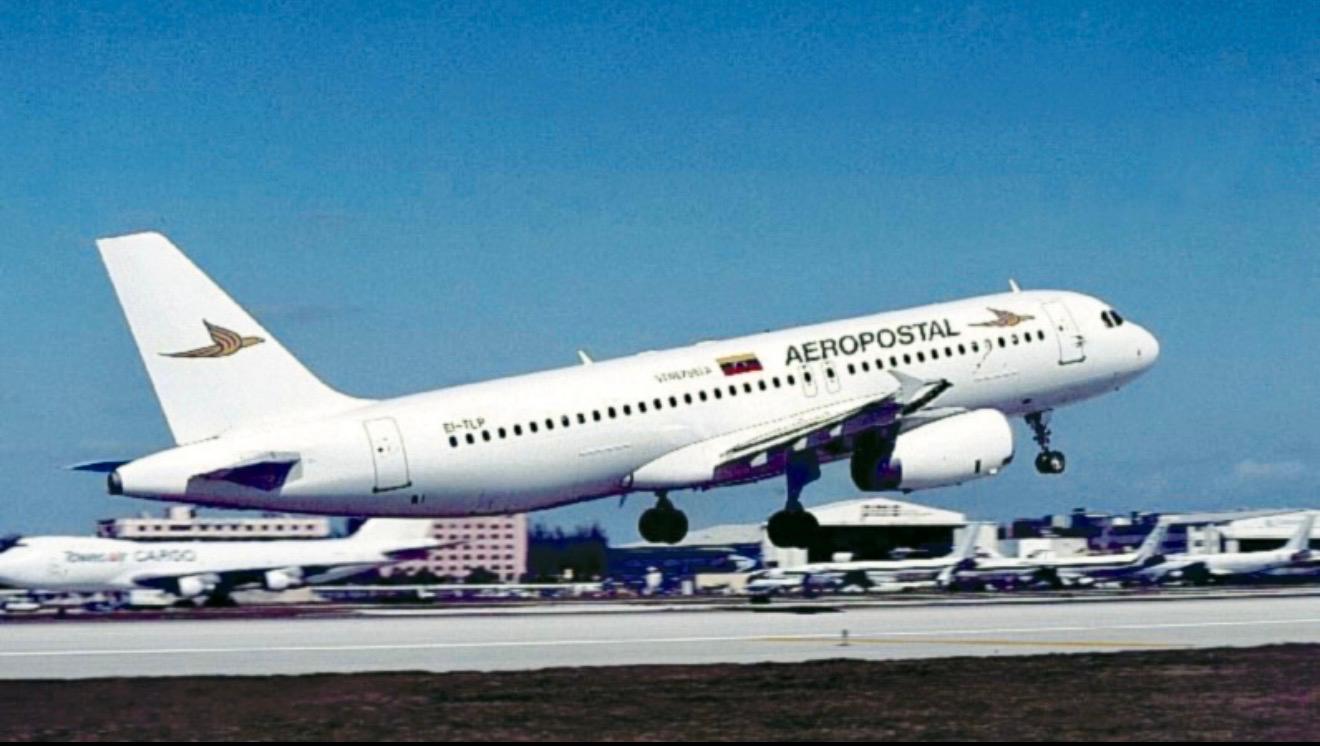
Aeropostal during its former glory
As part of the preparations, lawyers in Caracas were instructed to approach the Venezuelan government and formally express the group's interest in recovering Aeropostal.
At the same time, a team of former Aeropostal employees, working under Ramiz's direction, began preparing a business plan and operational strategy.
The project includes two possible scenarios.
The preferred option is to recover Aeropostal and complete the necessary recertification process to resume operations under the existing airline structure.
If negotiations with the Venezuelan government are unsuccessful, Ramiz intends to pursue certification for an entirely new airline in Venezuela.
According to Ramiz, the business plan has been developed around current conditions in Venezuela's aviation industry and the demand for air transportation services within the Venezuelan market.
He believes the country has substantial unmet demand for reliable domestic and international air connections.
Four-Stage Expansion Plan
Ramiz said the Ifly Aeropostal project is structured around four stages covering certification, aircraft acquisition, route development and operational consolidation.
The first stage focuses on securing the necessary approvals and preparing the airline to begin operations.
If the group succeeds in recovering Aeropostal, Ramiz estimates that recertification and the initial preparations could take approximately six months from the project's formal launch.
Establishing an entirely new airline would require a longer process, estimated at between 12 and 18 months.
The second stage involves introducing aircraft with approximately 140 passenger seats.
Ramiz said the group has selected the Airbus A220-300 as its preferred aircraft for this segment.
The plan calls for introducing two aircraft per month until the fleet reaches 20 A220s.
These aircraft would primarily serve domestic routes, Caribbean destinations and other markets where higher flight frequencies are necessary to provide competitive and reliable service.
The third stage focuses on larger aircraft for longer routes and destinations requiring additional passenger, baggage and cargo capacity.
For this segment, the group has identified the Airbus A320-200, configured with approximately 165 passenger seats.
Ramiz plans to introduce 15 A320 aircraft, also at a rate of two per month, with operations concentrated on routes where demand supports approximately one or two daily frequencies.
Preparations for this stage would begin approximately two months before completion of the first stage, with recruitment and personnel training intended to support certification and the introduction of the larger aircraft.
Ramiz explained that the A320 fleet could eventually be upgraded to Airbus A321 aircraft when passenger demand justifies additional seating capacity.
Although the preliminary business plan is based on Airbus aircraft, he emphasized that the company has not ruled out other manufacturers or aircraft models.
Final fleet decisions would depend on negotiations with manufacturers and the commercial and technical support available to the project.
The fourth stage involves consolidating the airline's operations and strengthening its position in the markets it intends to serve.
Rebuilding Venezuela's Domestic Aviation Network
A central component of Ramiz's strategy is the recovery of Venezuela's domestic aviation market.
He recalled that Aeropostal once controlled approximately 54 percent of the domestic market, a position he believes demonstrates the airline's former importance to transportation within the country.
According to Ramiz, many domestic routes are currently underserved or lack adequate air connectivity.
His strategy would therefore prioritize rebuilding domestic services before expanding progressively into international markets.
The airline's principal hub would be located at Maiquetía, serving Caracas and connecting passengers traveling between Venezuelan cities and international destinations.
As the A220 fleet expands, Ramiz intends to introduce routes throughout the Caribbean and Central America.
The airline would use coordinated banks of flights at Maiquetía to facilitate connections between domestic and international services.
The A320 fleet would subsequently support expansion into South America, including Brazil, and the United States.
However, Ramiz acknowledged that operations to the United States would depend on the necessary aviation safety approvals.
He expressed interest in helping Venezuela regain Category 1 status under the United States Federal Aviation Administration's aviation safety assessment system.
Ramiz said his team had contributed to similar efforts during his previous period in the Venezuelan aviation industry and would be willing to participate again.
He emphasized that the country's aviation authorities must meet the necessary international safety oversight standards before such expansion can proceed.
The proposed airline does not currently include direct operations to Europe in its business plan.
Nevertheless, Ramiz said he would consider partnerships with international airlines that could connect their services to Ifly Aeropostal's hub at Maiquetía.
Such partnerships could allow passengers to access destinations beyond the airline's own route network.
Aeropostal's Previous Success as a Model
Ramiz believes his expansion plan is achievable because of Aeropostal's historical performance under his leadership.
He recalled that by 2005, the airline operated 32 aircraft serving more than 30 destinations.
According to Ramiz, Aeropostal transported approximately three million passengers through its Maiquetía hub and through direct services connecting other Venezuelan cities.
He said the company achieved this expansion within approximately five years, supported by nearly 3,000 direct employees.
Ramiz credited the airline's workforce for making that growth possible.
He believes the operational experience gained during those years provides a foundation for developing the new project.
The proposed fleet of 35 aircraft would slightly exceed the 32 aircraft that Ramiz said Aeropostal operated at its previous peak.
However, the new plan remains subject to obtaining financing, regulatory approvals, aircraft agreements and the necessary guarantees from the Venezuelan government.
Curaçao Could Receive Several Daily Flights
One of the most significant elements of Ramiz's proposal for Curaçao is the introduction of several daily flights connecting the island with the airline's main hub at Maiquetía.
These services would be designed to connect passengers traveling from Curaçao with the airline's domestic and international network.
Rather than relying solely on direct flights to individual Venezuelan destinations, passengers would be able to transfer through Maiquetía to other cities served by Ifly Aeropostal.
Ramiz believes this model could substantially expand the travel options available to passengers in Curaçao.
He explained that flights would be coordinated with the airline's scheduled arrival and departure banks, allowing passengers to make connections across the network.
The plan could create additional travel opportunities for residents, businesses and visitors traveling between Curaçao, Venezuela, the Caribbean, Central America and South America.
However, the proposed services remain part of the business plan and have not yet been approved or scheduled.
A Possible Secondary Aviation Hub in Curaçao
Ramiz went further by revealing that he would also consider establishing a secondary hub in Curaçao.
He stressed that such a development would depend on an invitation and authorization from the relevant authorities in Curaçao.
Under this scenario, the airline could operate routes directly from Curaçao to destinations that are commercially important to the island without requiring passengers to travel through Maiquetía.
Ramiz explained that Curaçao has its own natural aviation markets, some of which do not necessarily overlap with Aeropostal's traditional markets.
He believes these routes could be particularly important for the island's tourism industry and broader economy.
A secondary hub could therefore complement the airline's Venezuelan operations while serving the specific travel requirements of Curaçao.
Ramiz did not identify the destinations that would be served from a potential Curaçao hub or specify the number of aircraft that might be based on the island.
He also did not indicate that formal discussions have taken place with Curaçao's aviation authorities concerning the proposed operation.
Nevertheless, the possibility forms part of his longer-term vision for the airline's development.
More Than $350 Million in Planned Investment
Ramiz estimated that the investment required to implement the Ifly Aeropostal project would exceed $350 million over five years.
The amount would support the development and expansion of the proposed airline, although he did not provide a detailed breakdown of the projected expenditures or disclose specific financing arrangements.
He stressed that committing such an investment would depend on the continuation of Venezuela's recovery and the establishment of sufficient legal and institutional guarantees.
These include protection of private enterprise, legal certainty and assurances that businesses can operate without arbitrary government interference.
Ramiz also called for a renewed Venezuelan civil aviation authority capable of providing professional, continuous and impartial oversight.
He believes the aviation sector requires a regulatory environment in which all operators compete under equal conditions.
According to Ramiz, corruption and favoritism have seriously damaged Venezuela's aviation industry and prevented its development.
He argued that a modernized aviation authority must enforce consistent standards, maintain effective safety oversight and ensure that commercial decisions are not undermined by political interference.
These conditions, he said, are essential before investors can confidently commit the resources necessary to rebuild the country's airline industry.
Aviation as an Engine for Venezuela's Recovery
Beyond the commercial objectives of Ifly Aeropostal, Ramiz sees aviation as an essential component of Venezuela's broader economic recovery.
He believes rebuilding air connectivity would help stimulate tourism, facilitate trade, improve domestic transportation and strengthen the country's connections with international markets.
The former Aeropostal executive said his team is prepared to contribute to rebuilding Venezuela's aviation industry, drawing on the experience accumulated during the airline's previous period of expansion.
He emphasized that the goal is not simply to return an airline to operation, but to establish a company capable of providing safe, reliable and high-quality service to the Venezuelan public.
For Curaçao, the proposal introduces the possibility of improved connectivity with Venezuela and a potential future role as a regional aviation hub.
However, both ambitions remain conditional on the successful development of the airline, government cooperation, regulatory approvals and the necessary financial investment.
Ramiz concluded by reaffirming his willingness to participate in Venezuela's recovery and restore the aviation industry to what he believes can become an important source of national economic development.
His vision is to rebuild an airline that Venezuelans can once again regard with pride.
“Made in Venezuela with pride,” Ramiz said, summarizing the ambition behind his proposed return to the aviation industry.