WILLEMSTAD – Fundashon Kas Popular (FKP) is exploring new housing solutions for Curaçao's aging population as part of its long-term vision for the Mi Kas Awor housing program. During a technical mission to Colombia, the public housing foundation examined four models of senior living that combine housing, healthcare, independence, and social participation.
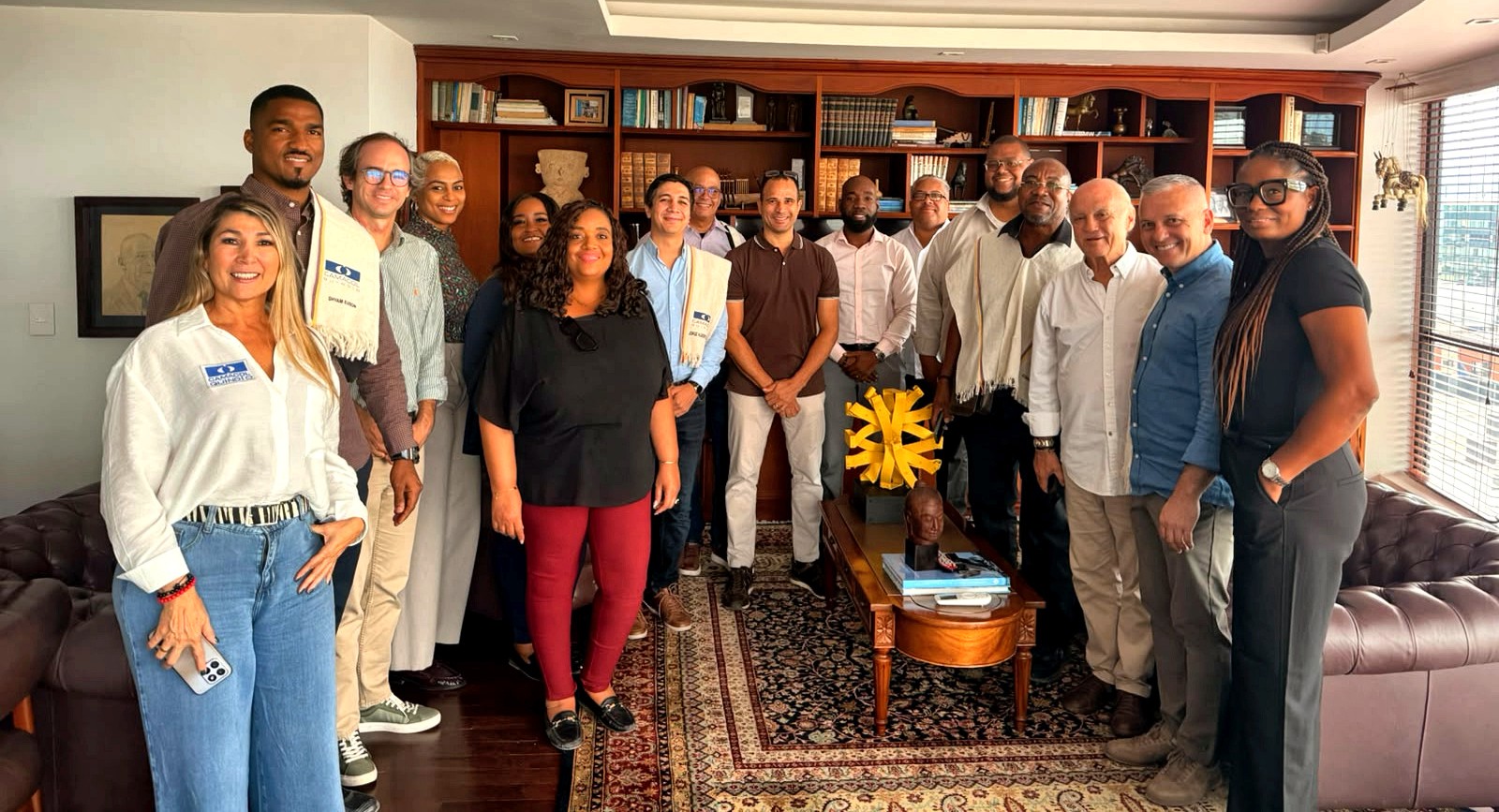
In a statement issued on November 22, 2026, FKP explained that its approach to housing development is expanding beyond the immediate needs of families seeking affordable homes. The foundation is also considering how Curaçao can provide suitable living arrangements for older residents over the next 15 years.
The initiative reflects a broader effort to ensure that housing policies respond to changing demographic needs while maintaining affordability and financial sustainability.
Four Housing Models for Different Stages of Aging
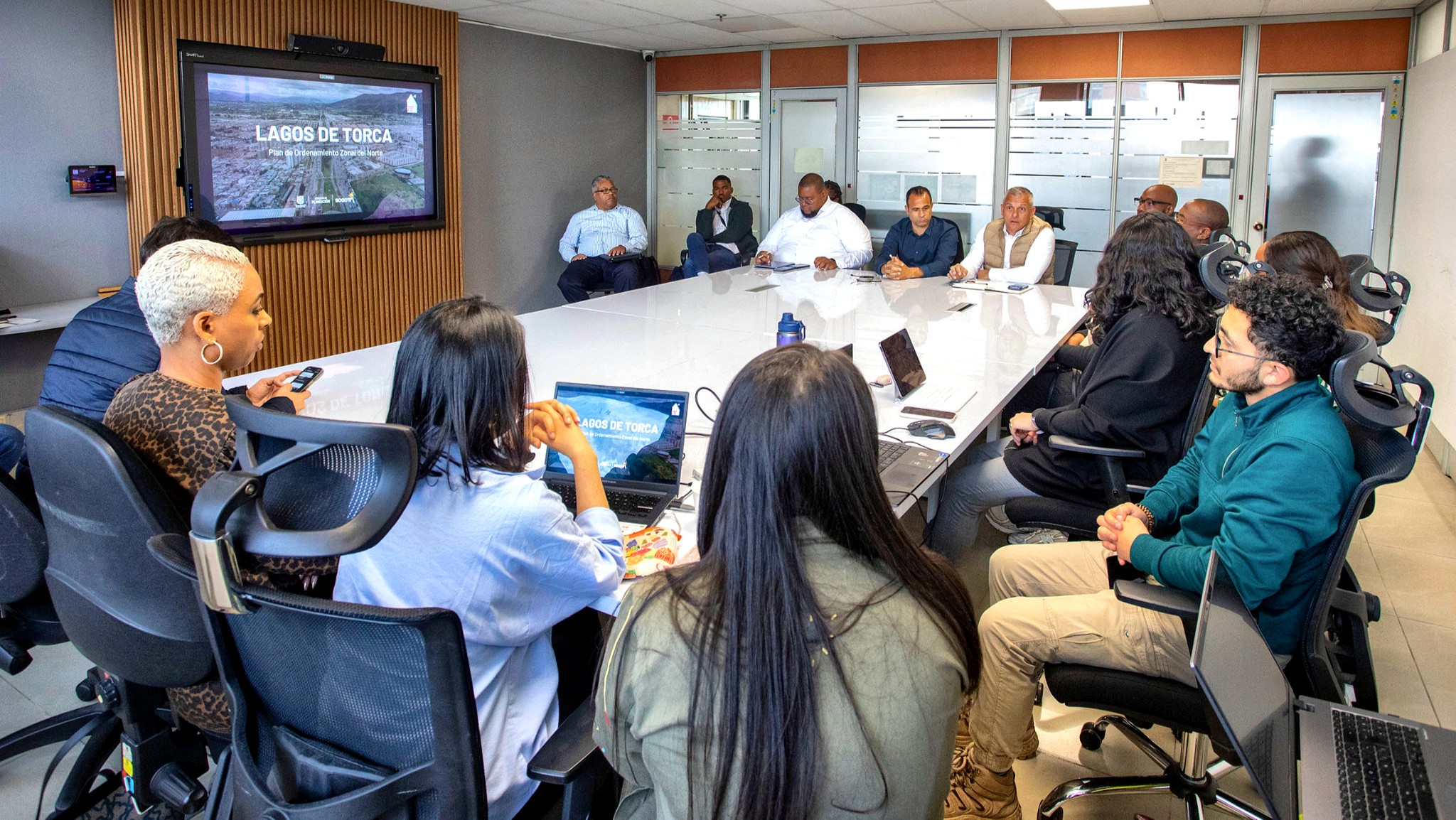
During the second phase of its technical mission to Colombia, the FKP delegation met with Senior Club, an organization specializing in housing and services for older adults.
Senior Club presented a concept developed through research into international experiences in Spain, Norway, the Netherlands, and the United States, including The Villages retirement community in Florida.
The model distinguishes four types of residential arrangements based on the changing needs of older residents.
The first, Independent Living, is designed for seniors who can continue living independently but benefit from accessible housing, security, social activities, and occasional nursing assistance.
The second, Assisted Living, provides residential accommodation for individuals who require daily support with personal activities and nursing care according to their needs. The objective is to maintain residents' dignity, independence where possible, and participation in community life.
The third model, Geriatric Care, focuses on older adults requiring specialized nursing services and more intensive medical assistance. The design emphasizes accessibility, horizontal mobility, and short distances that allow healthcare personnel to respond efficiently.
The Colombian example includes buildings of no more than six floors, although FKP emphasized that such designs would need to be evaluated against Curaçao's construction standards and local requirements.
The fourth model, Hospice Care, provides a residential environment for individuals approaching the end of life, with particular attention to comfort, dignity, and support for family members.
FKP stressed that housing needs do not disappear when people reach retirement age. Instead, those needs may change significantly as individuals grow older.
Silver Economy: Housing Beyond Four Walls
The delegation also explored the concept of the Silver Economy, which recognizes the growing demand for products, services, and infrastructure designed for older populations.
Under the model presented by Senior Club, senior housing developments can incorporate healthcare services, property management, educational activities, recreation, swimming pools, shared community spaces, social programs, and spiritual facilities.
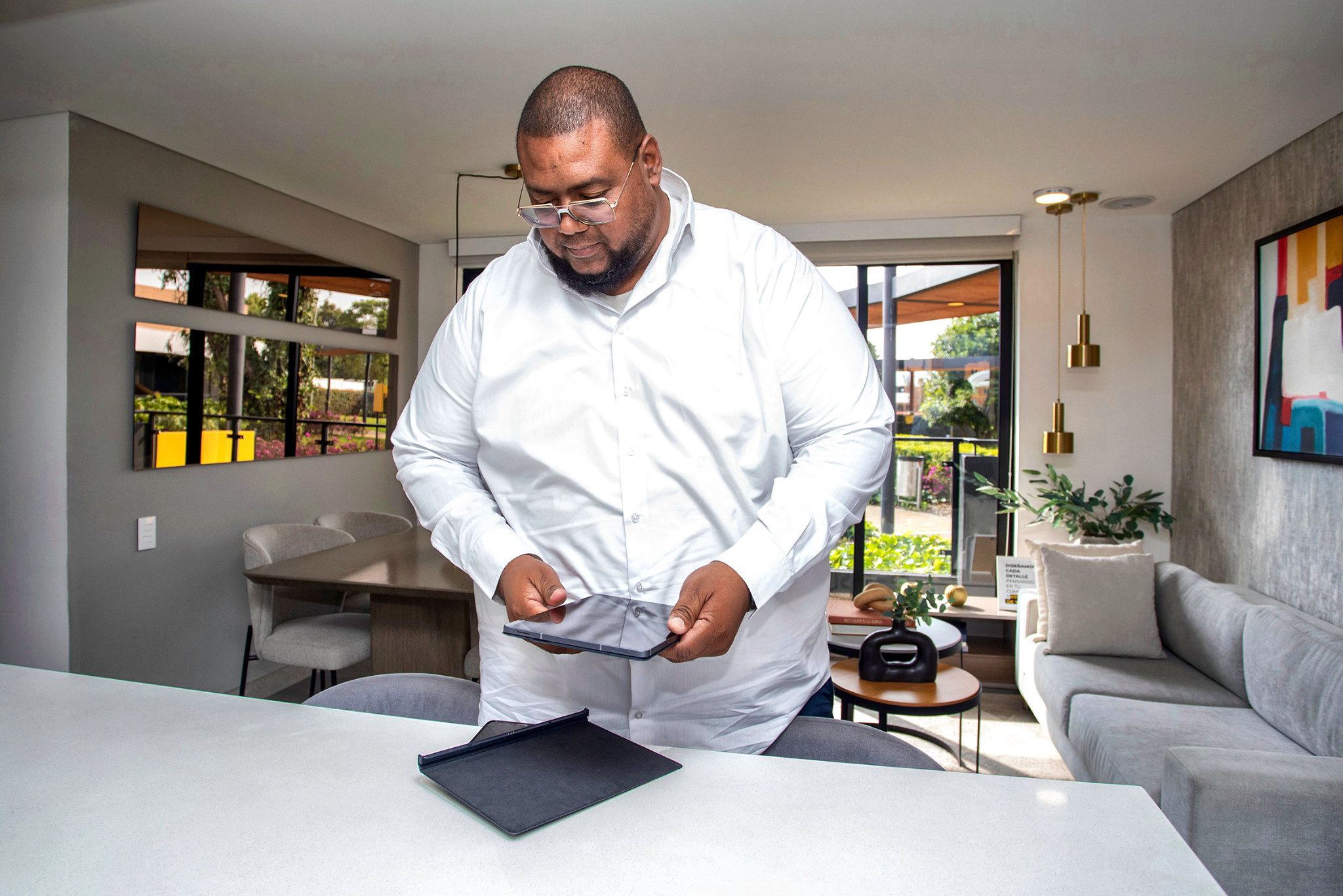
The objective is to create residential communities where older adults can remain socially active while receiving the support appropriate to their stage of life.
However, FKP acknowledged that introducing such facilities in Curaçao would require careful financial and operational planning.
The foundation intends to examine which elements could realistically be adopted, taking into account residents' ability to pay, operating expenses, healthcare responsibilities, and long-term financial viability.
FKP also indicated that consultations with Curaçao's major senior care foundations will be necessary to determine the actual needs of the island's elderly population.
No decision has yet been announced to construct a specific senior living development.
Learning from Colombia's Digital Housing Subsidy System
In addition to studying senior housing, the FKP delegation examined Colombia's experience with affordable housing programs and digital administration.
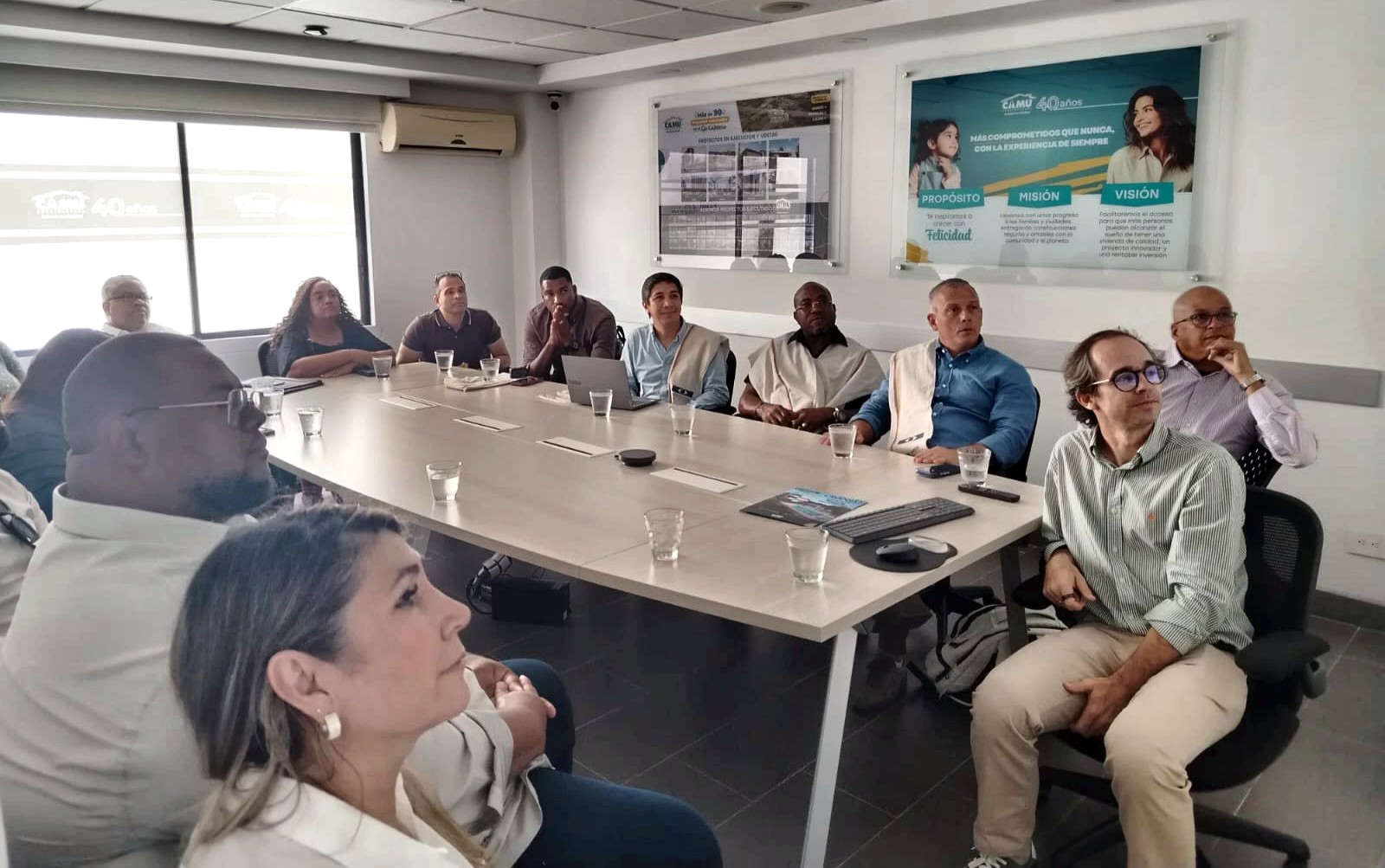
During a visit to Colombia's Ministry of Housing, City and Territory, representatives studied the Mi Casa Ya program, particularly its procedures for registration, eligibility verification, subsidy allocation, information updates, and exceptional applications.

FKP believes these experiences could help strengthen the digital platform supporting Mi Kas Awor in Curaçao.
Potential improvements include better management of applicant files, more effective communication through customer service channels, and smoother transitions from approved applications to financing and home purchases.
The foundation is evaluating how these administrative practices could make the housing application process more efficient and transparent for qualifying families.

Urban Planning and Infrastructure Development
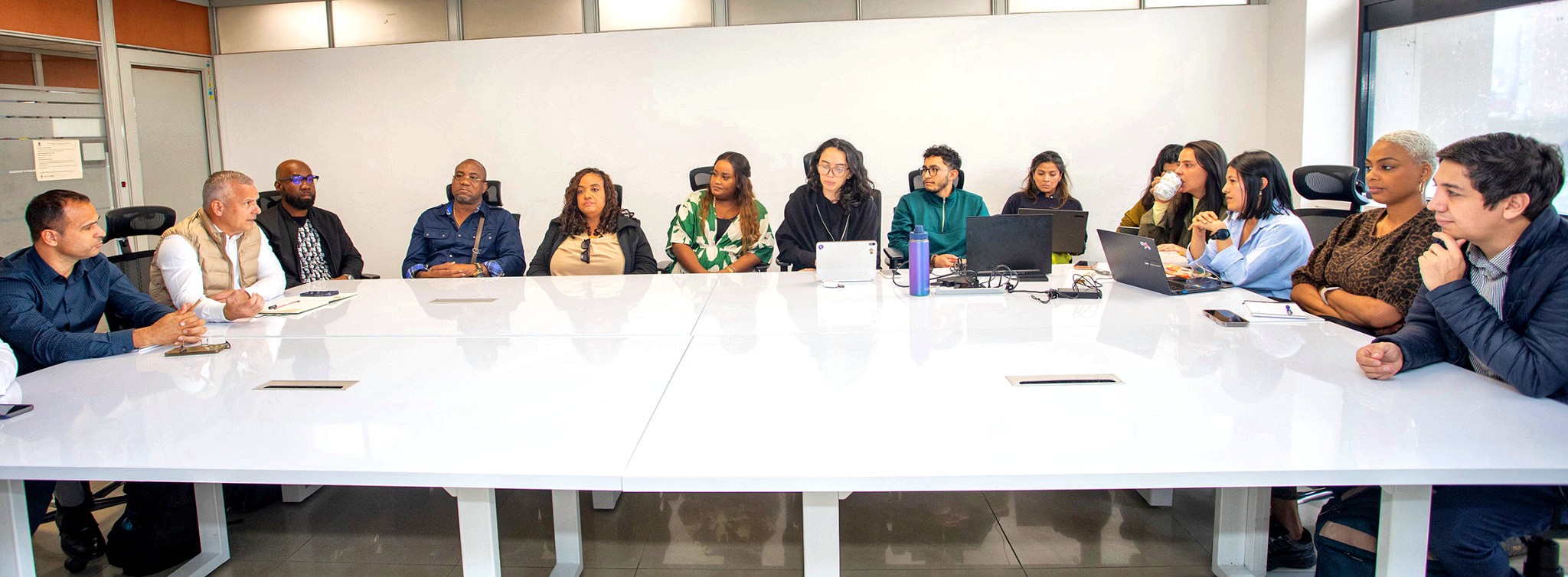
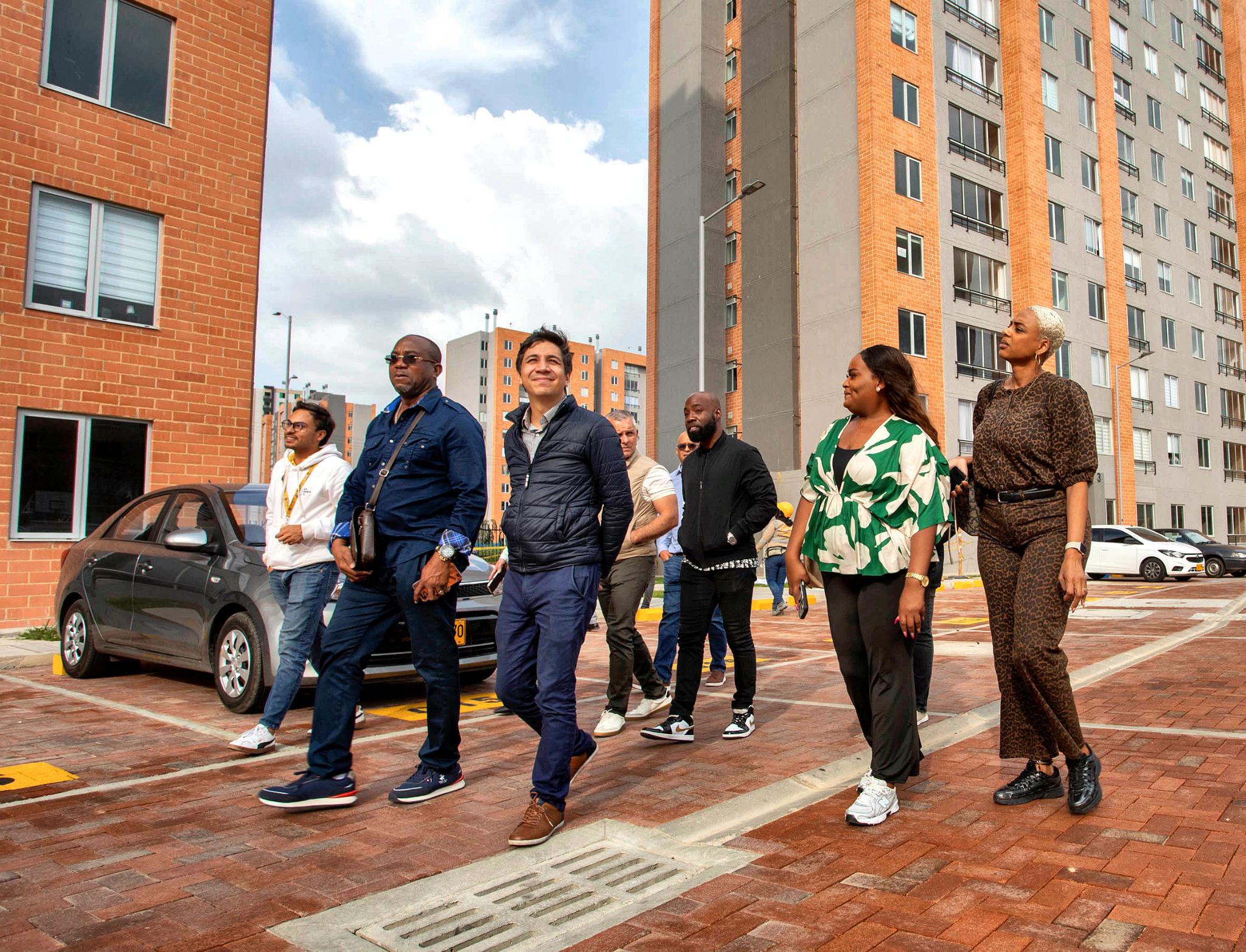
The delegation also visited Bogotá's District Planning Secretariat to study coordination between housing construction, land development, infrastructure, and financial responsibilities.
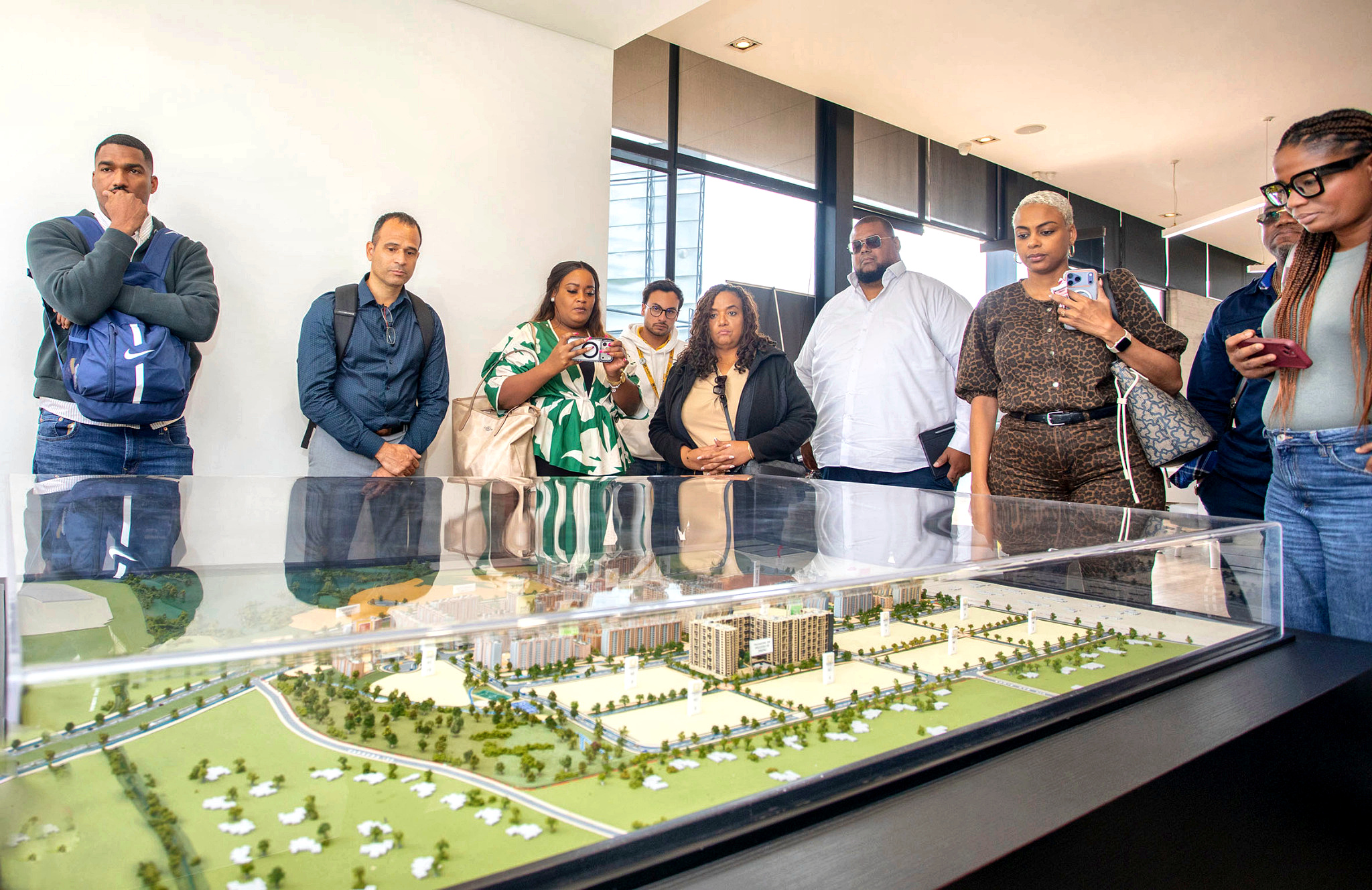
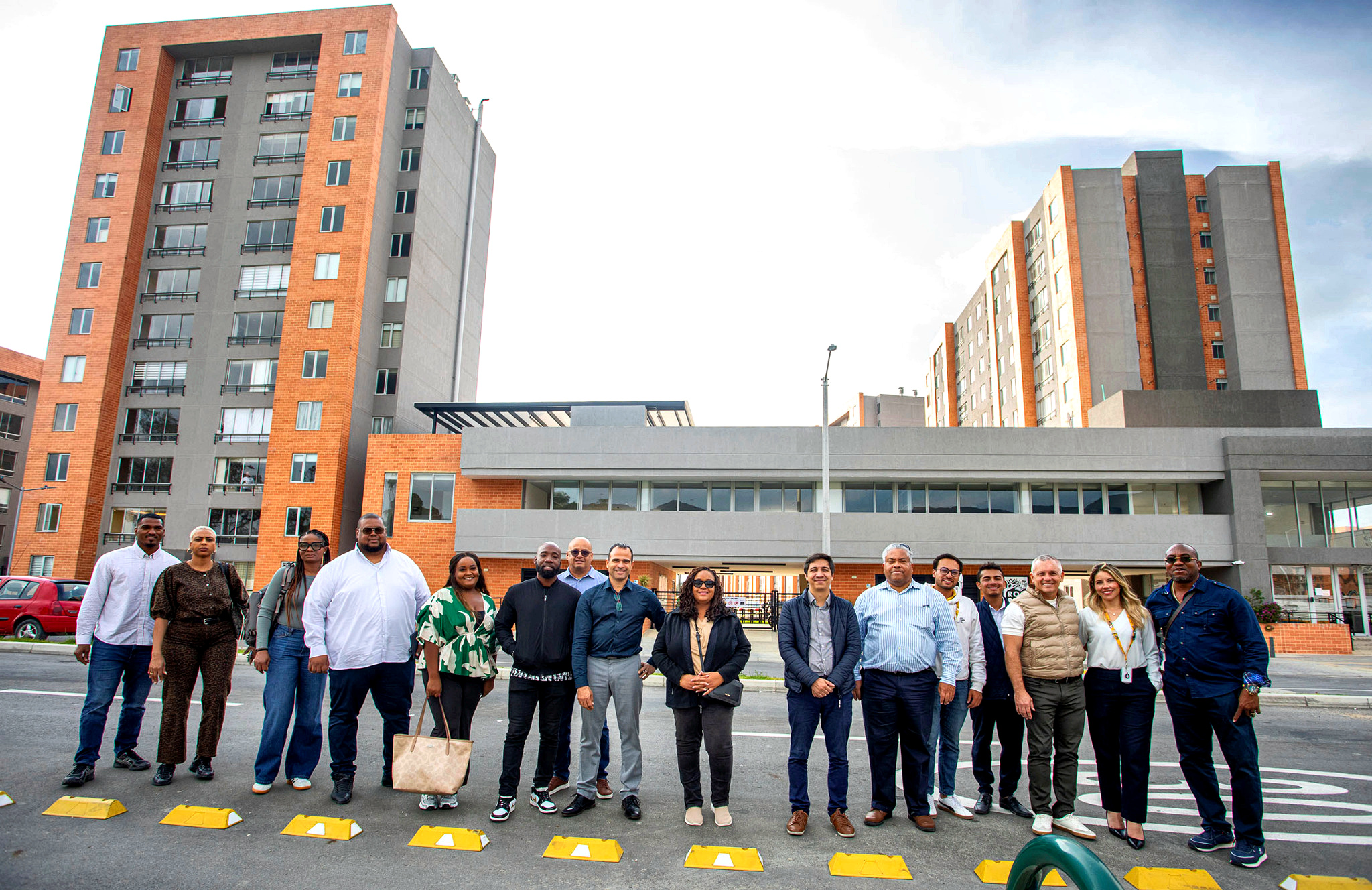
At Lagos de Torca, including developments associated with Colombian construction company Amarilo, FKP examined how large-scale residential projects integrate roads, water supply, electricity, public spaces, and community facilities.
The experience demonstrated the importance of planning infrastructure alongside housing rather than treating it as a separate consideration after construction begins.
For Curaçao, these lessons could be relevant when preparing land for future residential developments under Mi Kas Awor.
FKP is considering how stronger coordination between infrastructure planning, construction phases, and financial arrangements could improve the implementation of housing projects.
Construction Techniques and Quality Control
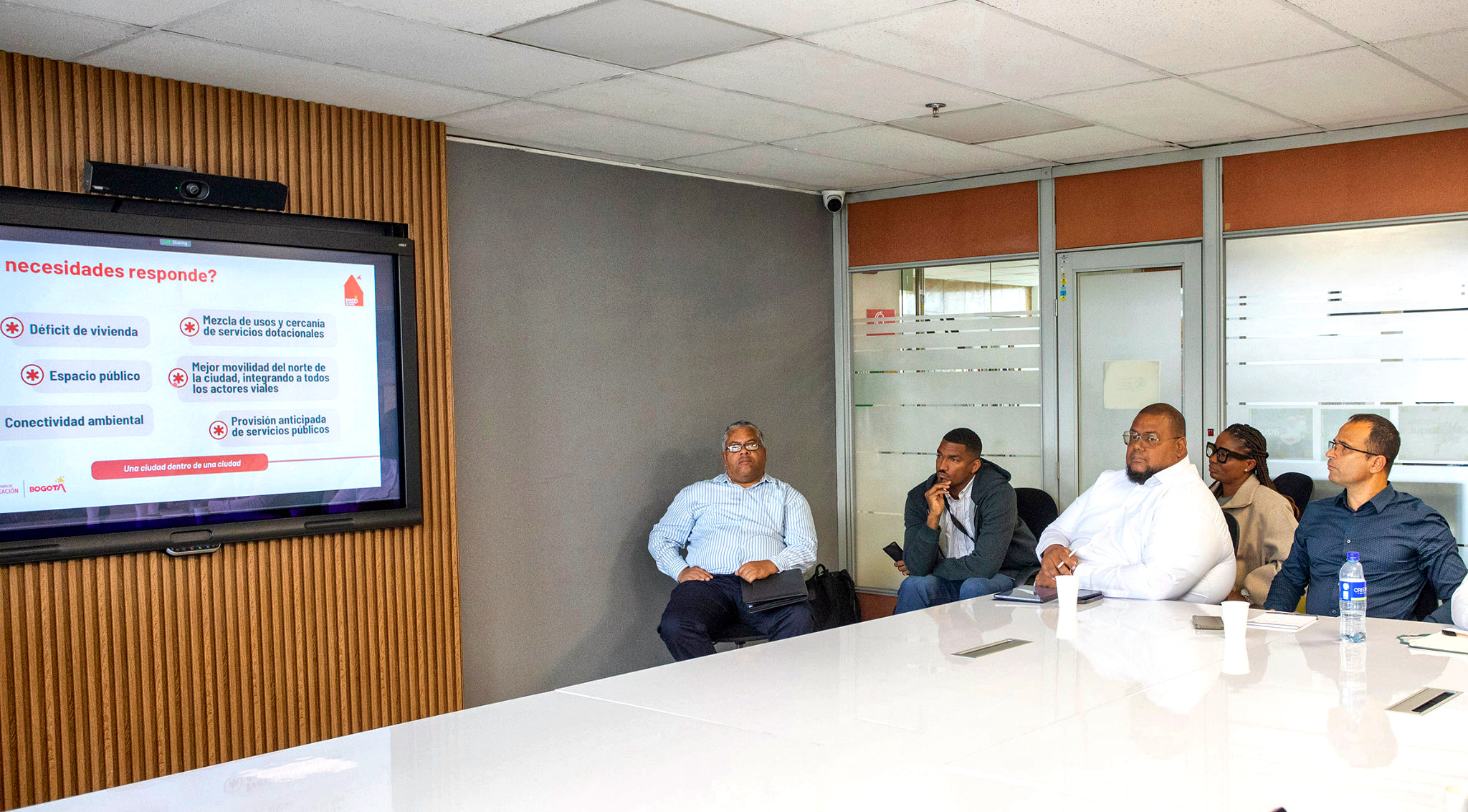
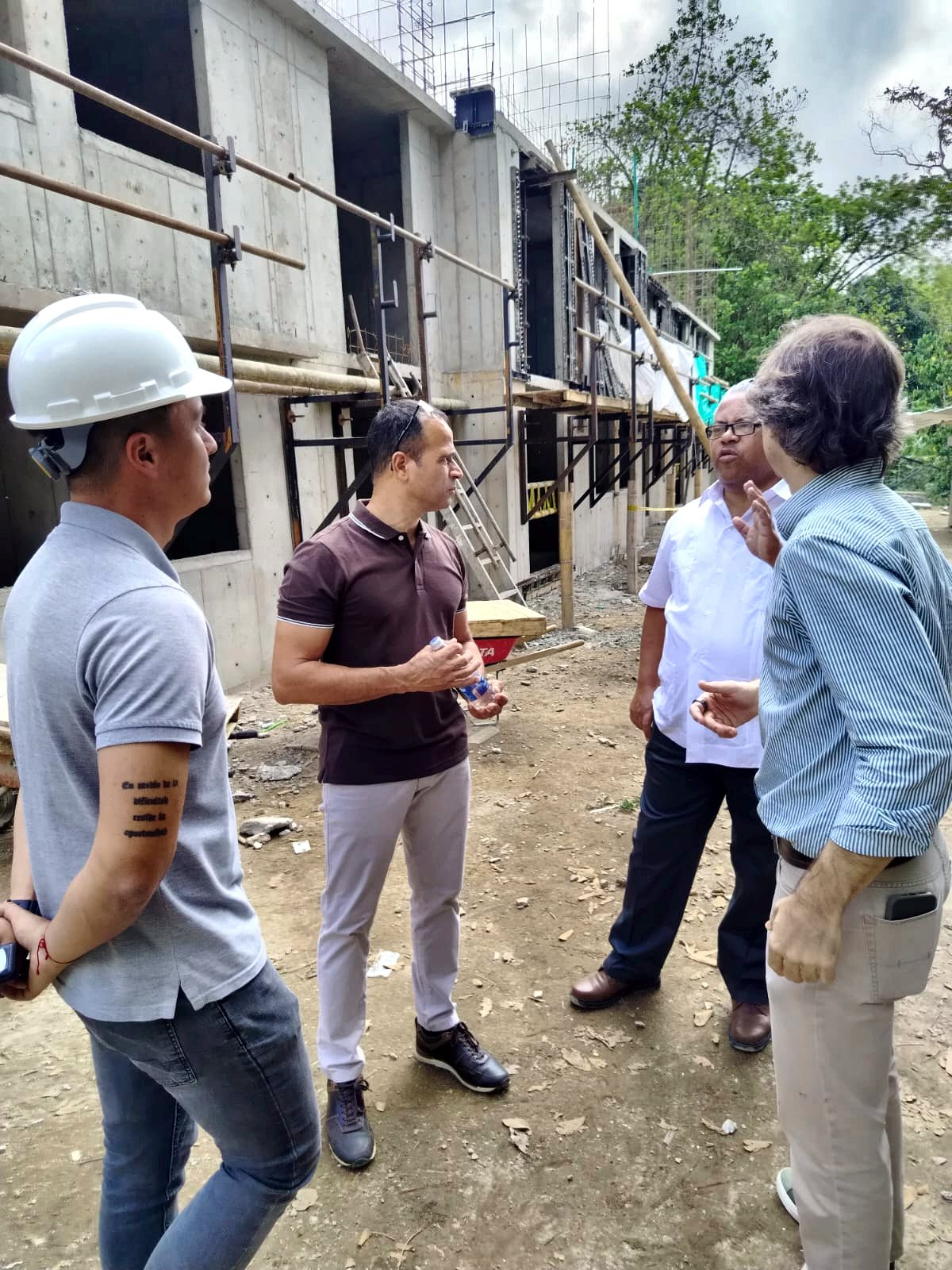
In Colombia's Quindío department, the delegation conducted technical exchanges with construction companies Poporo and Camú and visited residential projects and construction sites.
The discussions focused on multistory buildings, structural formwork systems, project preparation, occupational safety, quality control, and the relationship between architectural design, budgets, and construction execution.
FKP intends to use the experience as a reference when evaluating future housing developments.
However, the foundation emphasized that any techniques introduced in Curaçao must be assessed against local land conditions, construction risks, and applicable regulations.
Planning Housing for the Next 15 Years
The technical mission included representatives of FKP's management team, technical departments, and customer service operations.
The knowledge gained will be evaluated to determine how it can strengthen land preparation, construction methods, financial contributions, mortgage arrangements, and services for families participating in Mi Kas Awor.
The housing program remains focused on expanding opportunities for qualifying families to acquire their own homes.
At the same time, FKP believes the challenges associated with an aging population require a broader perspective on residential development.
The next step will be to assess whether elements of the four senior living models can be adapted to Curaçao and whether their operational and financial structures would be sustainable.
The foundation will also need to determine how these possibilities could fit within its long-term housing strategy.
For now, the senior living initiative remains in the exploratory stage, with no announced construction timetable, location, or investment budget.
FKP's long-term vision is to move beyond simply helping families obtain homes and toward developing communities capable of supporting residents throughout different stages of life.
The foundation's message is that housing policy must address not only the homes Curaçao's families need today, but also the quality of life its population will require in the future.
