Crime is a reality in every society. No government can promise to eliminate it entirely, and no police force can prevent every robbery, shooting, or act of violence. But when criminal activity becomes a growing source of fear among residents, the public has every reason to expect something from its government: leadership, communication, and a clear explanation of what is being done to restore public confidence.
That is precisely what appears to be missing in Curaçao today.
Over the past weeks, we have witnessed robberies, violent incidents, and crimes involving firearms. Businesses have been targeted, and residents are increasingly concerned about their personal safety. Yet what is particularly troubling is the apparent silence from the government.
Where are the press conferences? Where are the regular updates from the Ministry of Justice? Where is the explanation of the government's strategy to confront the situation?
Minister of Justice Shalten Hato has indicated that there will be a greater security presence on the streets. That announcement was welcome. But how much of that additional security has actually materialized? How many officers have been deployed? In which areas? What results have been achieved?
These are reasonable questions, and the public deserves answers.
To be clear, the Curaçao Police Force has not been sitting idle. Officers have been conducting investigations, arresting suspects, and responding to criminal incidents. Their work deserves recognition, particularly when they operate under difficult circumstances.
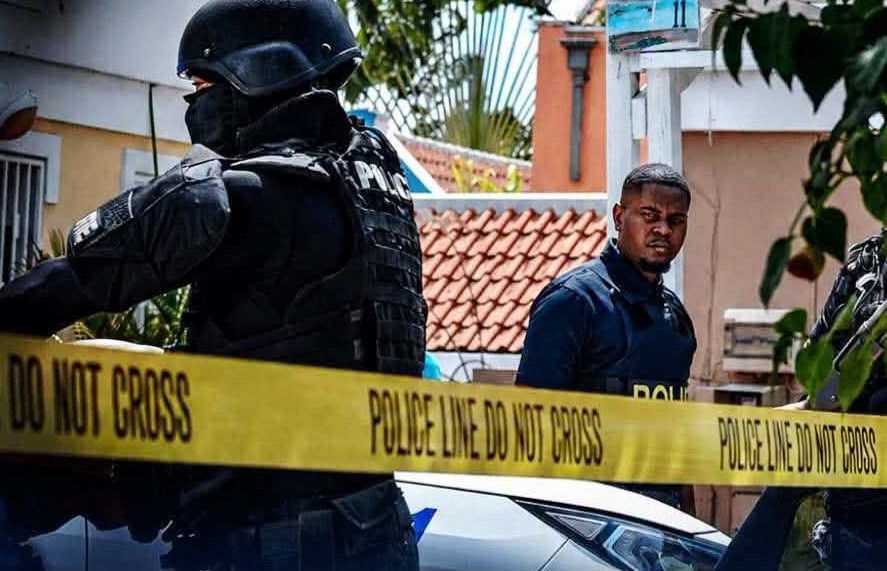
Curaçao police
But arrests alone do not resolve the broader problem. Police officers can apprehend suspects, yet the responsibility for developing a comprehensive crime prevention strategy rests with the authorities responsible for public security.
And that strategy must be communicated to the population.
The opposition party MAN has now requested an urgent public meeting of Parliament with Minister Hato. The party wants clarification about police staffing shortages, the availability of patrol vehicles, equipment, budgets, and the government's overall approach to robberies, murders, and gun violence.
These are legitimate matters for parliamentary scrutiny. They are also questions that should concern every resident, regardless of political affiliation.
Public safety should never become merely another political confrontation between government and opposition. Crime does not distinguish between supporters of MFK, MAN, PAR, PNP, or any other political party. A person confronted by an armed robber does not care which party controls the Ministry of Justice. That person wants protection and the assurance that the authorities are doing everything reasonably possible to prevent another attack.
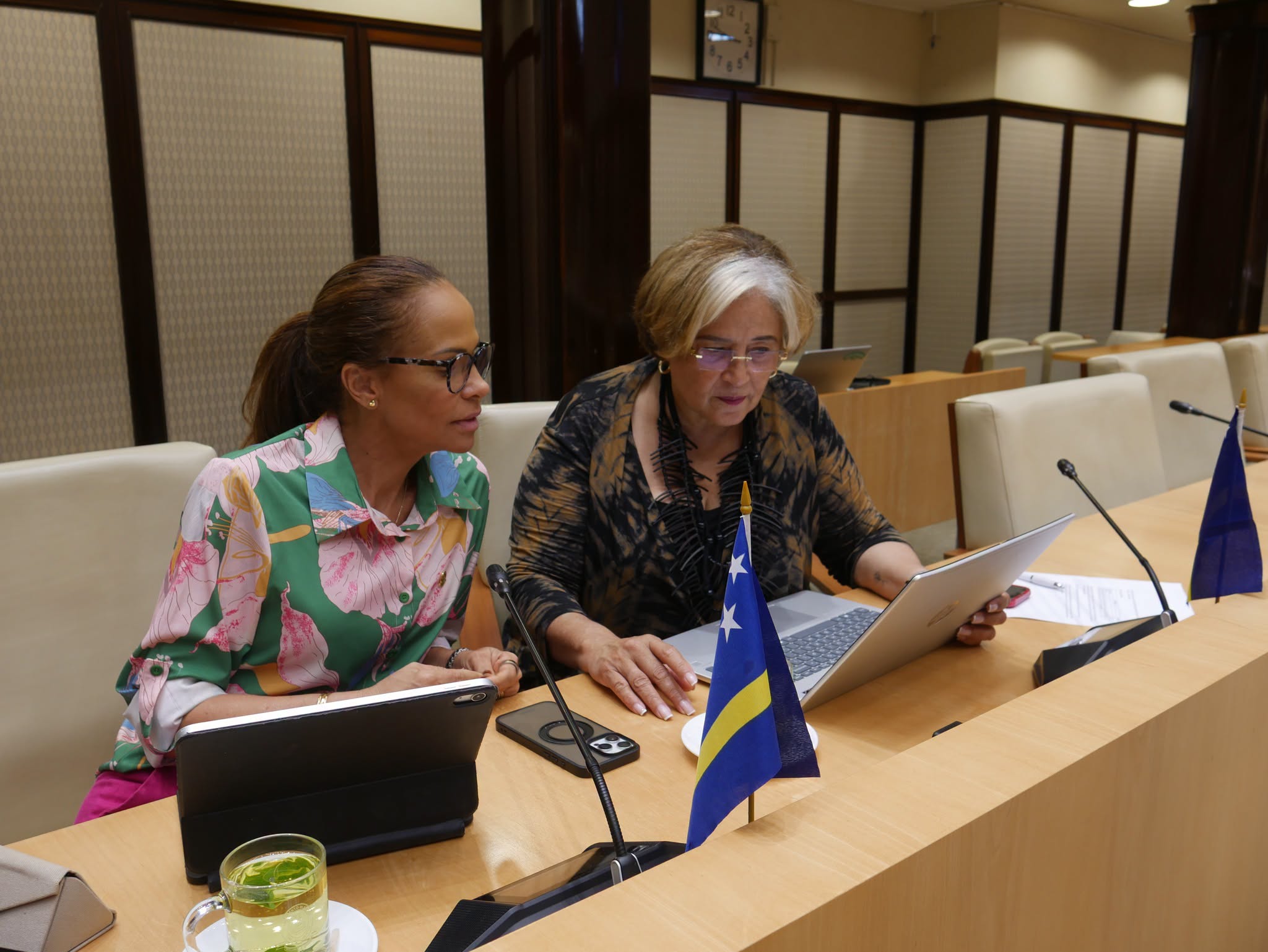
The two MAN party MPs
Curaçao has considerable advantages when it comes to addressing crime. We are a relatively small island, with a defined territory, established law enforcement institutions, and opportunities for close cooperation between police, communities, businesses, and other government agencies.
Those advantages should make it possible to develop targeted strategies, identify recurring criminal patterns, and concentrate resources where they are most needed.
But are we doing that effectively?
Are the police receiving the resources they require? Are intelligence and surveillance capabilities being used strategically? Are there coordinated prevention programs targeting young people at risk of entering criminal activity? Are government agencies working together to address the conditions that allow crime to flourish?
We should not have to guess.
Effective communication does not require the government to disclose confidential investigations or reveal police tactics. Nobody expects the Minister of Justice to announce where officers will be stationed before an operation takes place.
What the public can reasonably expect is a regular account of the government's priorities, the challenges confronting law enforcement, and the progress being made.
A press conference explaining the security situation would be a useful starting point. So would periodic public briefings presenting meaningful information about crime trends, police capacity, preventive measures, and operational improvements.
Statistics have their place, but numbers without explanation can leave the public with more questions than answers. Residents need to understand what those figures mean and how the government intends to respond.
There is another important consideration: public confidence.
When people see police officers making arrests but hear little from the political leadership responsible for public safety, uncertainty can grow. Rumors begin to circulate, frustration increases, and residents may conclude that the authorities have no clear plan, whether or not that conclusion is justified.
Communication cannot substitute for effective policing, but it is an essential part of responsible governance.
The government also has an opportunity to demonstrate how it intends to use the resources available to strengthen the justice system. The recently announced restitution agreement with the United States, involving nearly US$30 million connected to the Bientu case, identifies investments in police modernization, surveillance technology, crime prevention, and other justice initiatives.
Those funds are subject to specific conditions and cannot simply be spent at will. Nevertheless, the agreement provides a concrete basis for explaining how future investments could improve public security.
What projects will receive priority? When could residents expect improvements? How will the results be measured?
These are matters on which the government can provide clarity.
Ultimately, the central issue is not whether Minister Hato can guarantee that another robbery will never occur. He cannot, and neither could any other minister.
The issue is whether the government can demonstrate that it understands the public's concerns, has identified the most pressing security challenges, and is implementing a coherent response.
MAN's request for a parliamentary meeting offers an opportunity for that explanation to take place in public. Such a meeting should focus on verifiable information, operational needs, policy decisions, and accountability rather than political accusations.
Curaçao's residents have a right to know how their safety is being protected.
The government does not have to pretend that every problem has been solved. It can acknowledge shortages, explain obstacles, and identify where additional resources are needed. People are capable of understanding that combating crime is complicated and that results take time.
What is far more difficult to understand is silence when public concern is mounting.
Curaçao has the potential to be a safe and secure island for its residents, businesses, and visitors. Achieving that objective requires sustained police work, prevention, investment, cooperation, and political leadership.
It also requires a government willing to speak openly with the people it serves.
The police are doing their work. Parliament is being asked to do its work. The public is waiting to hear more from the government.
The question remains: Why the silence?