WILLEMSTAD – The Curaçao Council of Ministers, chaired by Prime Minister Gilmar Pisas, received a briefing on Wednesday, November 11, 2026, concerning the future of Dutch defense operations and Coast Guard activities in the Caribbean part of the Kingdom of the Netherlands. The presentation focused particularly on Curaçao and the Netherlands' plans to strengthen its military presence and operational capabilities in the region amid concerns about potential future geopolitical tensions.
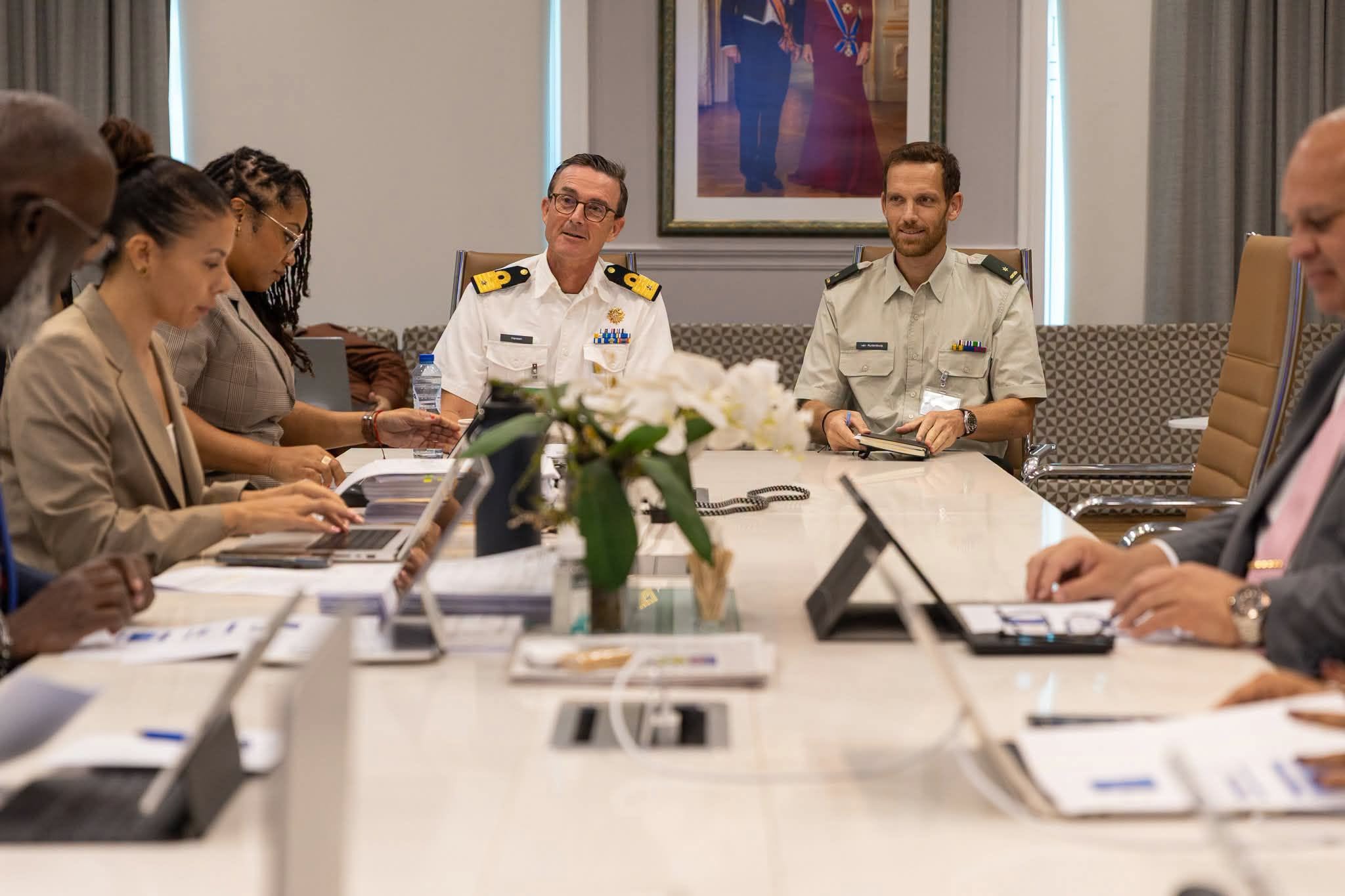
The briefing was delivered by Hansen, identified as the Commander of Defense and Director of the Coast Guard. Van Ruitenburg, an adviser on civil-military cooperation, also attended the meeting.
According to information released by the Curaçao government, the discussions centered on future developments involving the Dutch armed forces and the Coast Guard, including their presence and activities on the island.
The meeting follows earlier announcements by the Dutch government outlining plans to expand military capabilities in the Caribbean part of the Kingdom.
These plans, including measures described in the Netherlands' 2026 Defense Memorandum, are intended to strengthen military readiness and improve the ability of Dutch defense forces to respond to potential security challenges.
The Dutch government has identified the need to prepare for possible geopolitical tensions that could affect the Caribbean region in the coming years.
For Curaçao, the developments are particularly relevant because the island hosts Dutch military facilities and serves as an important location for defense and maritime security operations within the Kingdom.
An expansion of military capabilities could have implications for the island's defense infrastructure, operational readiness, and cooperation between local authorities and Dutch military organizations.
The presence of the Coast Guard is also significant because of its responsibilities for maritime law enforcement, border surveillance, search and rescue operations, and combating illegal activities at sea.
The participation of the civil-military cooperation adviser indicates that coordination between defense authorities and civilian institutions formed part of the discussions.
Such cooperation is important when military activities intersect with public infrastructure, emergency preparedness, and other responsibilities of the Curaçao government.
In addition to discussing future defense and Coast Guard plans, the Council of Ministers received information about existing agreements and current circumstances affecting operations in the Caribbean.
The government did not disclose specific details about the proposed expansion, including whether additional military personnel, vessels, aircraft, or equipment will be stationed in Curaçao.
It also did not announce a timetable for implementing the plans or indicate whether new infrastructure projects are being considered.
The briefing comes as the Netherlands seeks to strengthen its defense posture in the Caribbean, recognizing the strategic importance of the region and the potential consequences of changing international security conditions.
For Curaçao, the discussions provide an opportunity to remain informed about developments that could affect the island's security environment and its role within the Kingdom's defense structure.
The November 11 meeting underscores the importance of continued consultation between the Curaçao government and Dutch defense authorities as preparations move forward for a stronger military and Coast Guard presence in the Caribbean.