PHILIPSBURG – Curaçao and its Kingdom partners have agreed to extend the Strategic Education Alliance (SEA) through 2028, with the possibility of an additional year until 2029. The decision was reached during the Four-Country Ministerial Consultation on Education, Science and Culture (M4LO), held in Sint Maarten on November 17 and 18, 2026.
Curaçao's Minister of Education, Science, Culture and Sports, Sithree van Heydoorn, participated in the two-day consultation alongside ministerial delegations from Aruba, Sint Maarten and the Netherlands. Representatives from Bonaire, Saba and Sint Eustatius also attended, marking an important expansion of participation in the discussions.
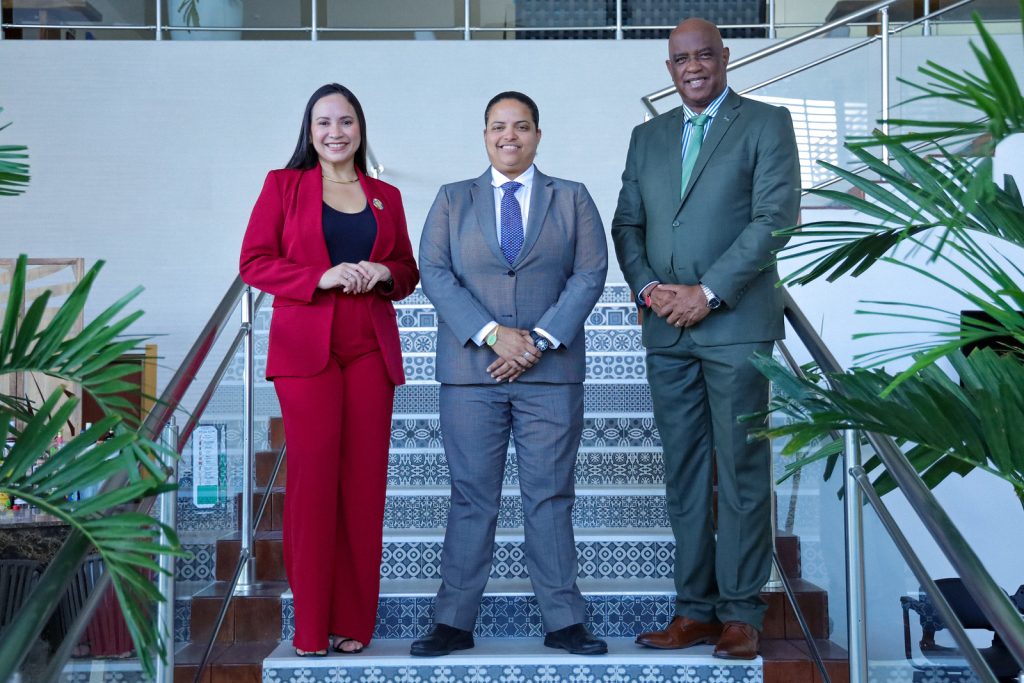
The three ministers of Education of the Dutch Caribbean
The Strategic Education Alliance was one of the main topics on the agenda. The program aims to improve educational opportunities and academic success for Caribbean students throughout the Kingdom of the Netherlands.
By extending the initiative through 2028, the participating countries intend to safeguard progress already achieved while providing additional time to implement future plans. The possibility of extending the program until 2029 is intended to ensure that its results become sustainable.
The ministers also reaffirmed their commitment to strengthening cooperation between educational institutions, particularly in areas affecting students who move between the Caribbean countries and the European Netherlands to continue their education.
Dutch Education Reforms Raise Concerns for Curaçao
Another major subject was the impact of ongoing educational reforms in the Netherlands on students and educational systems in the Caribbean parts of the Kingdom.
The participating countries emphasized that changes to Dutch education policies must be communicated in a timely manner and coordinated with their Caribbean counterparts.
Particular attention was given to the updating of examination programs and educational attainment targets.
For Curaçao, the Ministry of Education stressed that any changes must reflect the island's local circumstances and educational needs.
The government considers it essential that reforms do not undermine equal opportunities for students, their ability to continue their education or the recognition of their diplomas throughout the Kingdom.
These concerns are especially relevant because educational qualifications and examination requirements can affect students seeking admission to institutions in the Netherlands or elsewhere within the Kingdom.
The discussions also addressed teacher training, vocational education and stronger cooperation among higher education institutions and scientific research organizations.
Minister Calls for More Strategic Cooperation
During both the opening and closing sessions, Minister Van Heydoorn emphasized the need to move beyond routine consultations toward more strategic cooperation that produces lasting results.
He proposed increasing direct interaction among the Kingdom's education ministers, with discussions focused on structural challenges and long-term developments rather than solely on individual programs.
According to the minister, future consultations should give greater attention to educational reforms, innovation, human capital development and the socioeconomic future of the participating countries.
Van Heydoorn also supported a proposal by Aruba's Minister Croes to make representatives from Bonaire, Saba and Sint Eustatius permanent participants in the ministerial consultation.
The Dutch Minister of Education, Culture and Science, Letschert, was unable to travel to Sint Maarten because of exceptional political circumstances in the Netherlands. However, the participating countries agreed that she could join the discussions virtually to ensure ministerial-level dialogue.
Van Heydoorn thanked Sint Maarten's Minister Melissa Gumbs for hosting the consultation.
The next meeting of Kingdom education ministers is scheduled for the first quarter of 2027, when the countries are expected to continue discussions on the implementation of their shared educational priorities.