Curaçao Opens a New Chapter in Its Housing History: From Waiting Lists to Homeownership, Sustainable Construction, and Employment Opportunities
Cooperation with Colombia advances in three strategic areas: international EDGE Advanced certification, financial and social preparation of families, and training of local workers.
WILLEMSTAD – For more than 47 years, Curaçao has faced the challenge of providing sufficient housing for its population. Experience over recent decades has shown that without structural changes to the traditional housing model, waiting lists will continue to grow.
Through the Mi Kas Awor program, the Pisas III Cabinet is promoting a model that places homeownership (eigenwoningbezit) at its center. Through the woningverwervingsbijdrage, a financial contribution toward the purchase of a home, qualifying families can gain greater opportunities to become homeowners.
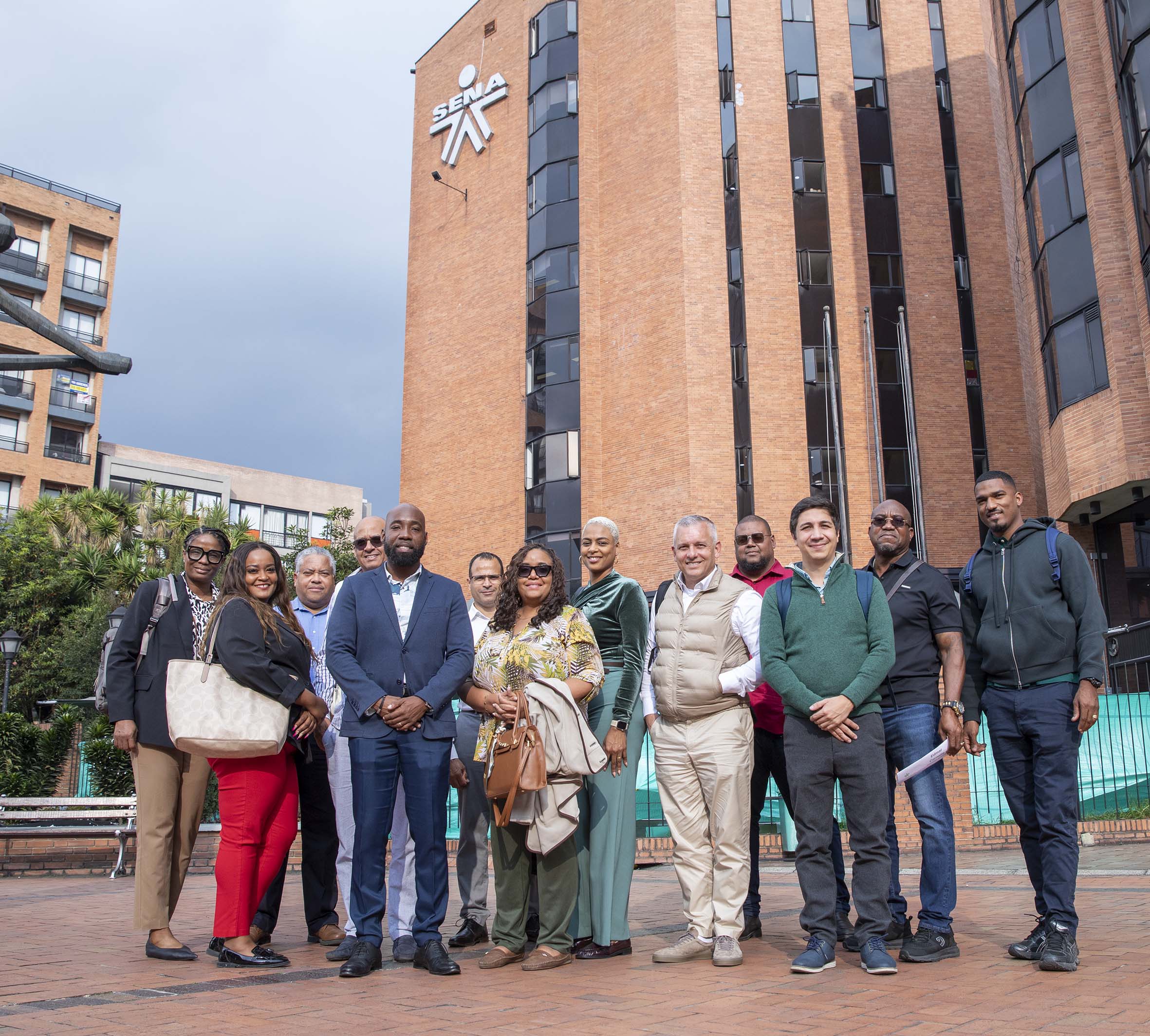
Visits to Colombia by Curaçao delegations in October 2025, together with the participation of Fundashon Kas Popular (FKP), have paved the way for three areas of cooperation with Colombian institutions.
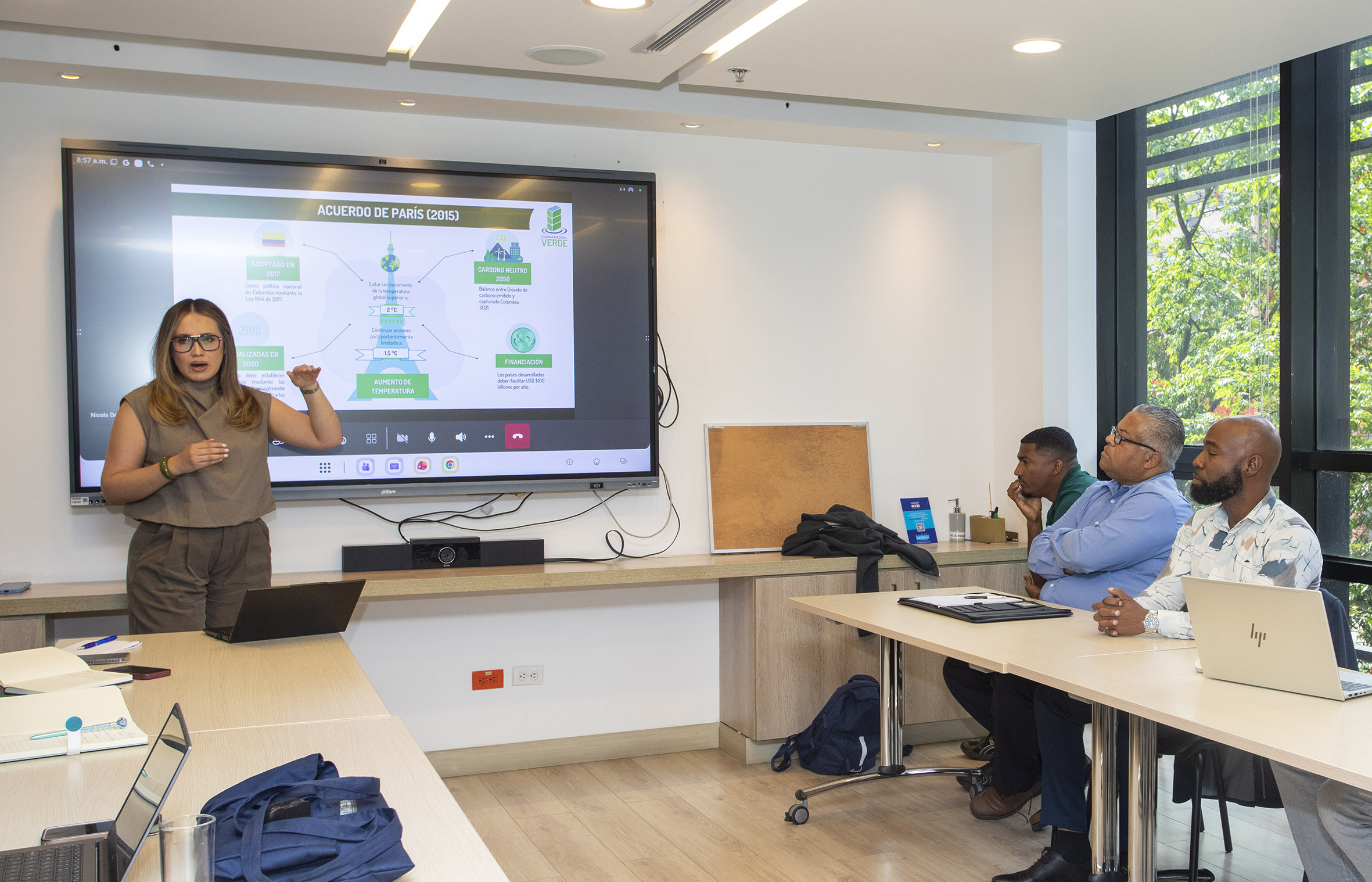
1. CAMACOL – Working Toward EDGE Advanced Certification for All Mi Kas Awor Construction Projects
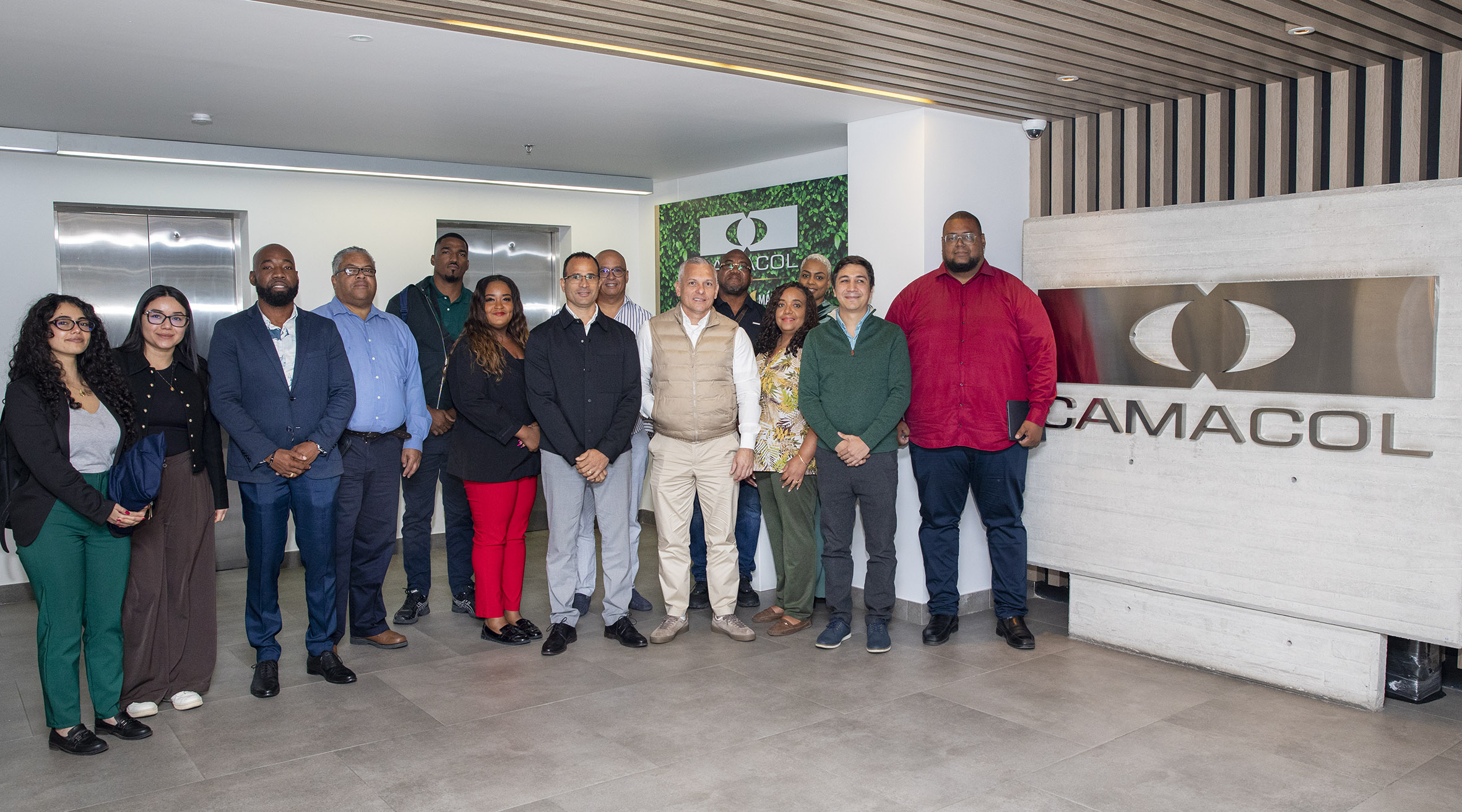
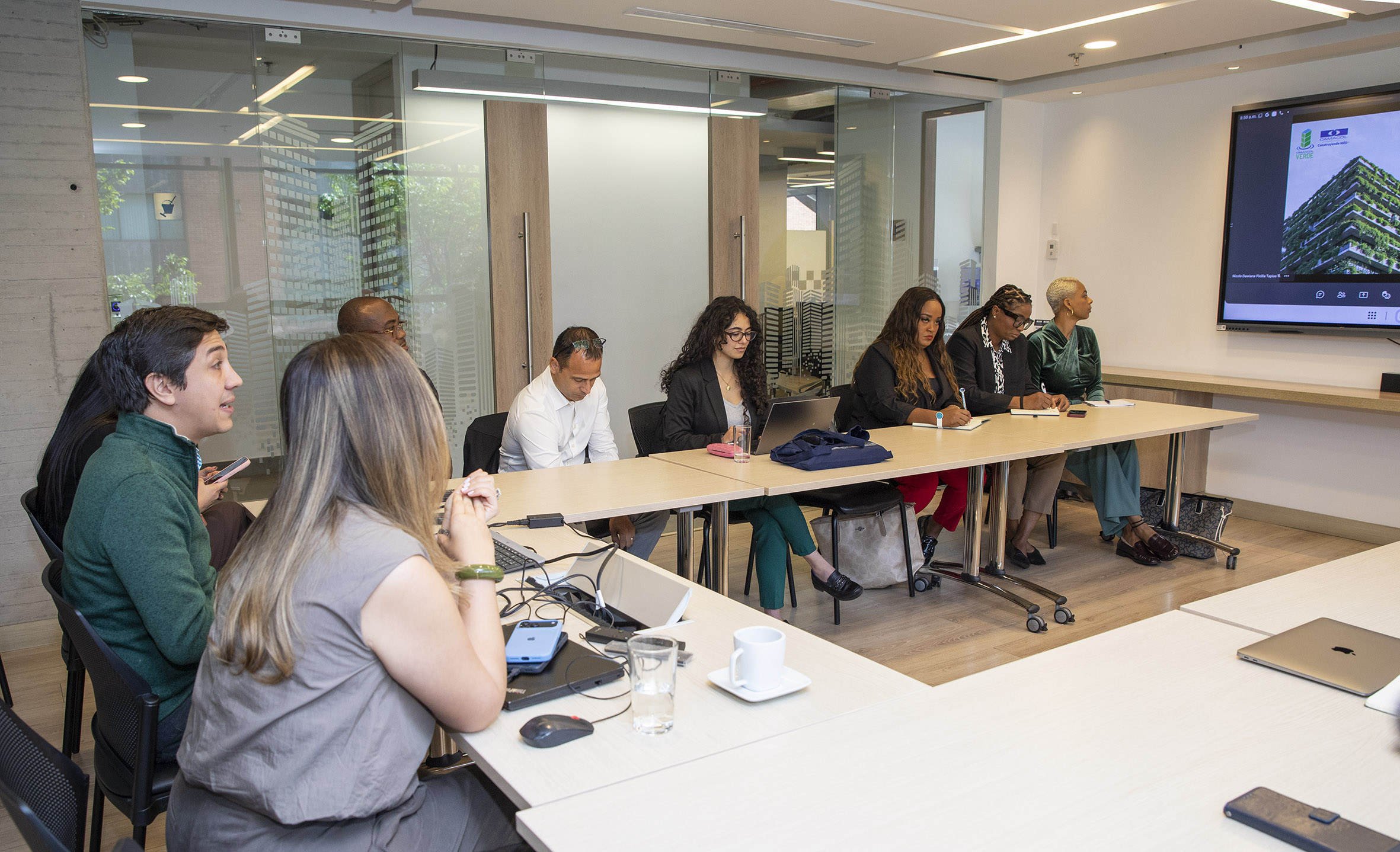
The technical delegations of FKP and CAMACOL have reached an understanding to prepare a Memorandum of Understanding (MOU), with the objective of introducing international EDGE standards across all Mi Kas Awor construction projects, with the ambition of achieving EDGE Advanced certification.
The process will begin with the submission of construction plans and technical drawings for each project to be evaluated according to EDGE standards.
During construction, inspections will verify whether contractors comply with the approved designs and specifications. Once the homes are completed, a final independent verification must confirm that the projects meet the requirements for certification.
What Does EDGE Advanced Mean?
EDGE Advanced is an advanced level of international green building certification developed by the International Finance Corporation (IFC), part of the World Bank Group.
To qualify, a project must demonstrate minimum reductions of:
- 40% in energy consumption.
- 20% in water consumption.
- 20% in embodied energy in construction materials.
These reductions are measured against a reference building.
For families in Curaçao, this could mean homes that consume less electricity and water, resulting in lower monthly utility bills and a reduced environmental impact.
This means Mi Kas Awor aims not only to provide homes that are affordable to purchase but also homes that are more economical to live in over the long term.
Certification will only be awarded after an independent evaluation and verification process confirms that the project meets the required standards.
2. ASOCAJAS and COMPENSAR – Preparing Families to Become Homeowners
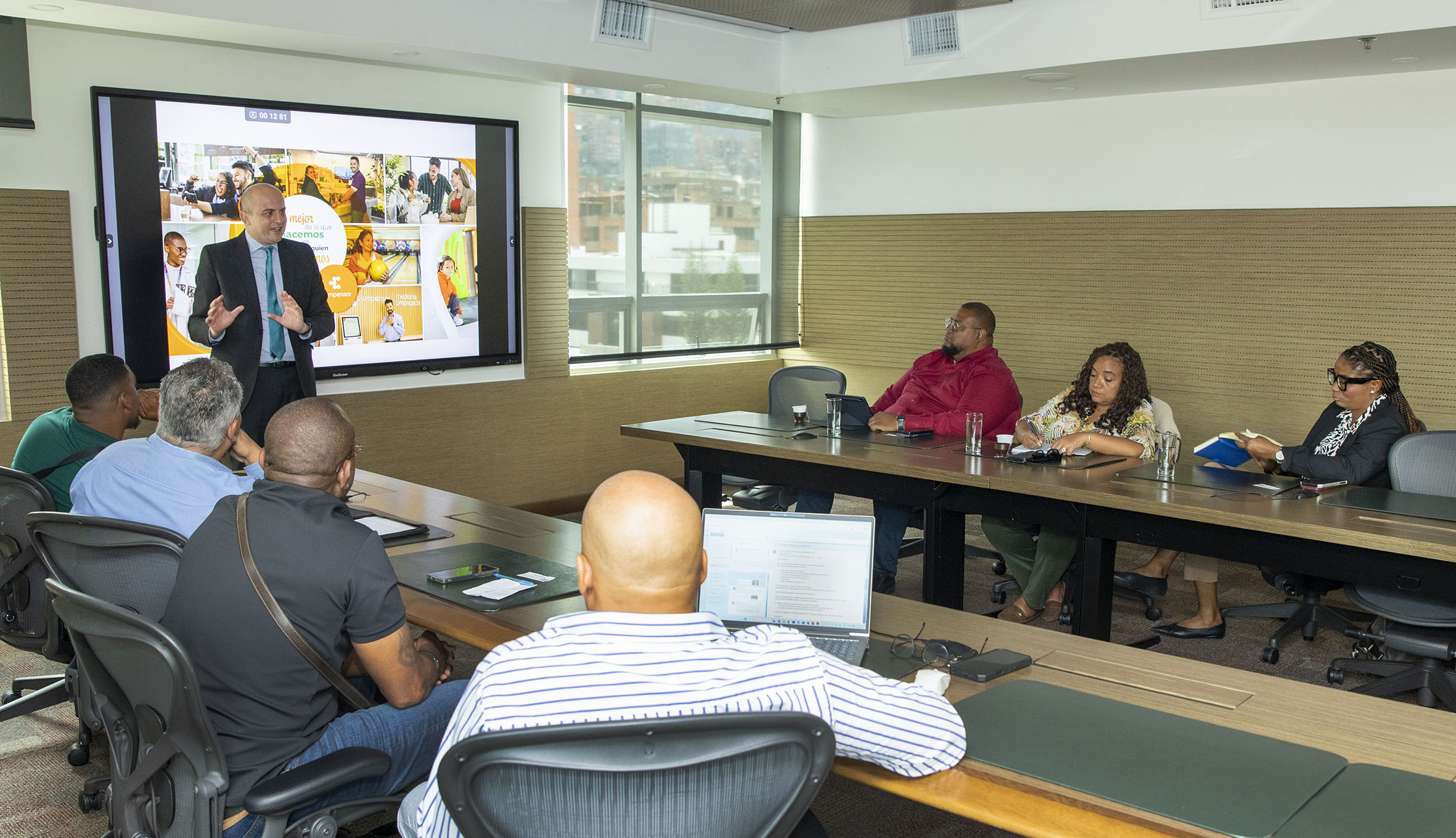
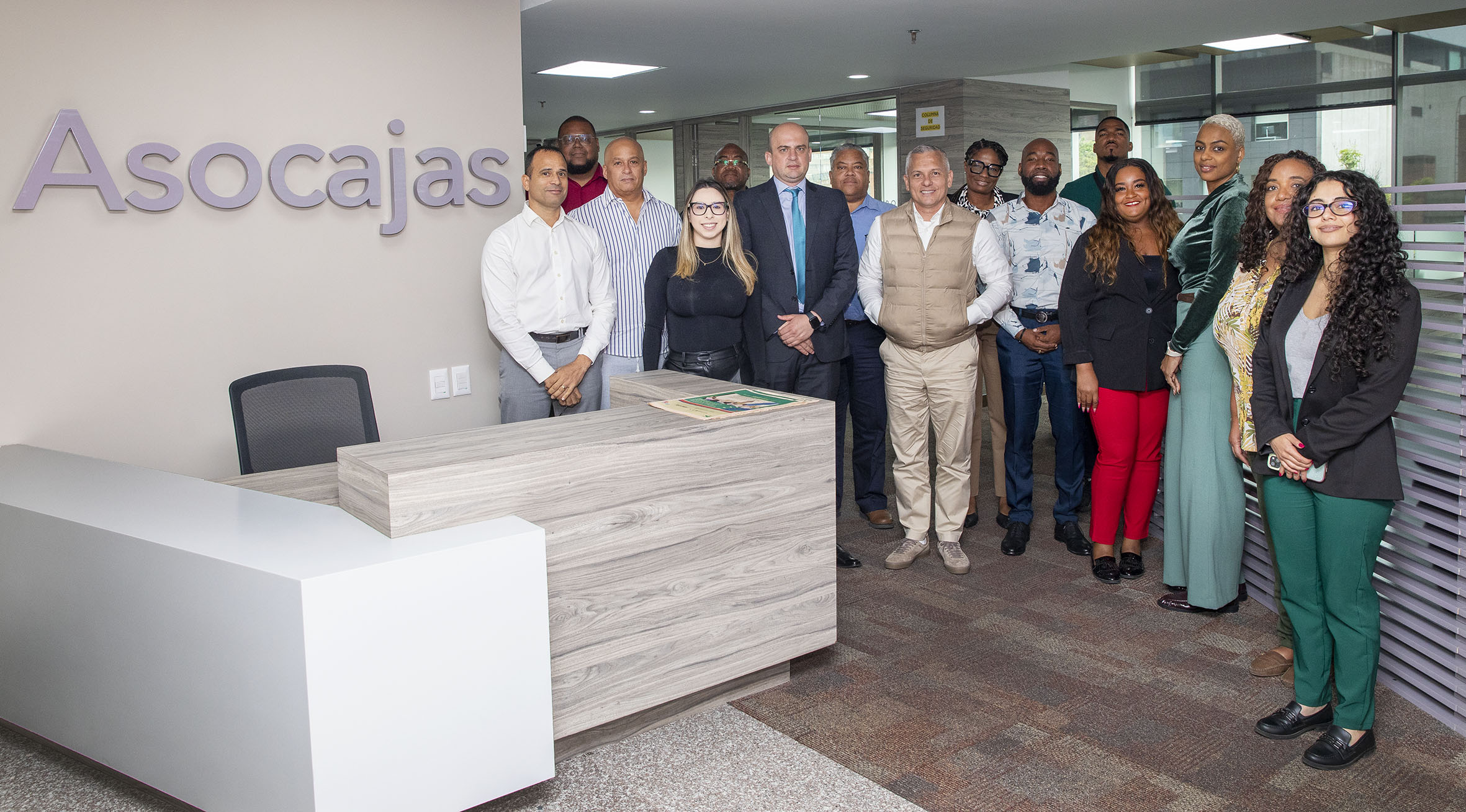
The FKP delegation, together with the technical and legal teams of ASOCAJAS and COMPENSAR, concluded that there is sufficient basis to prepare an MOU aimed at developing three instruments within Mi Kas Awor.
The first is a savings model designed to help families save systematically and strengthen their financial discipline.
The second is a social assessment intended to provide a better understanding of each family's circumstances and identify areas where additional support may be needed.
The third is a preliminary financial assessment to prepare applicants before they enter the bank financing stage, without replacing the bank's own evaluation or final lending decision.
COMPENSAR's experience combines savings, subsidies, financing, and financial well-being.
The objective is to ensure that families not only gain access to homeownership but are also prepared to pay for and maintain their homes sustainably.
3. SENA – Training, Certification, and Official Recognition of Local Workers
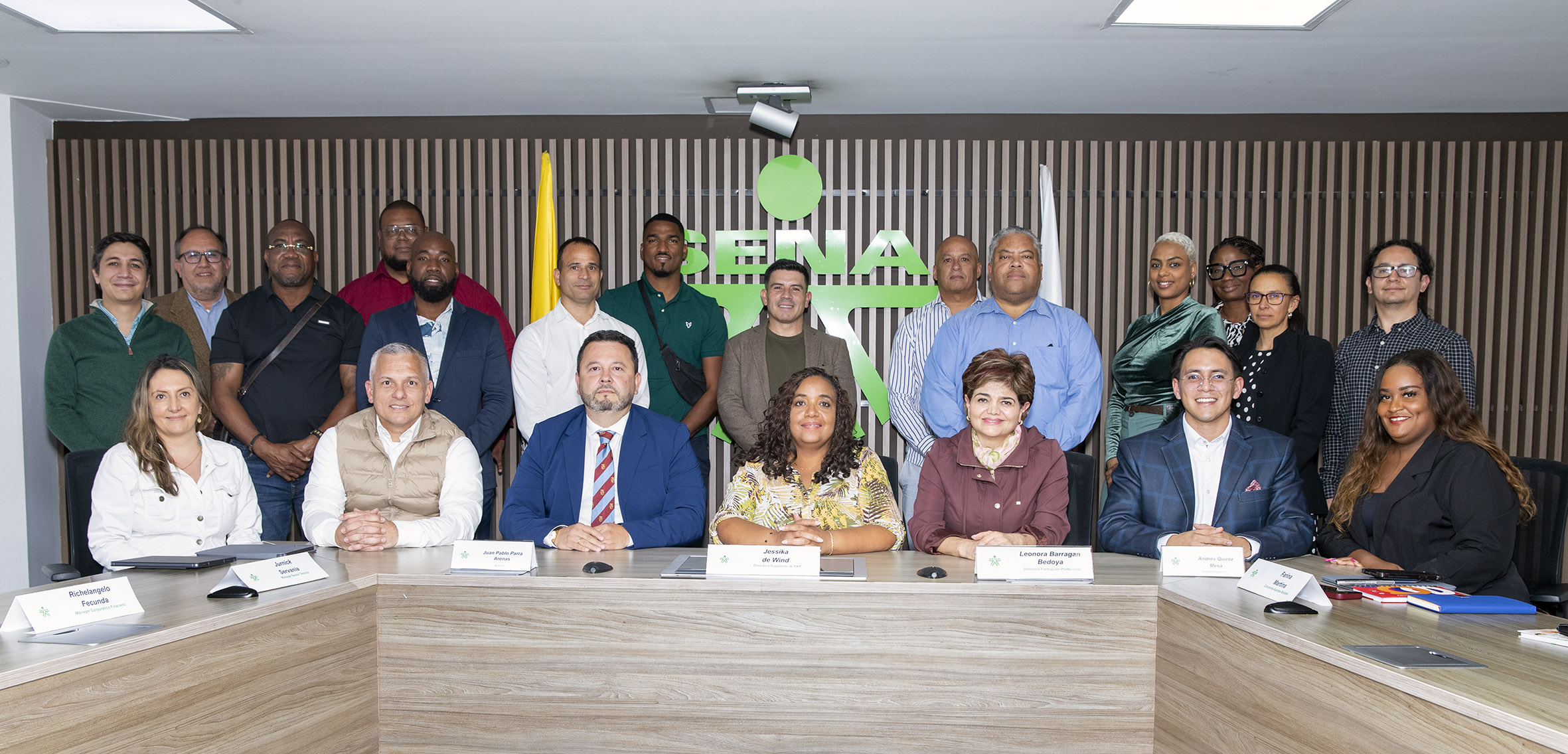
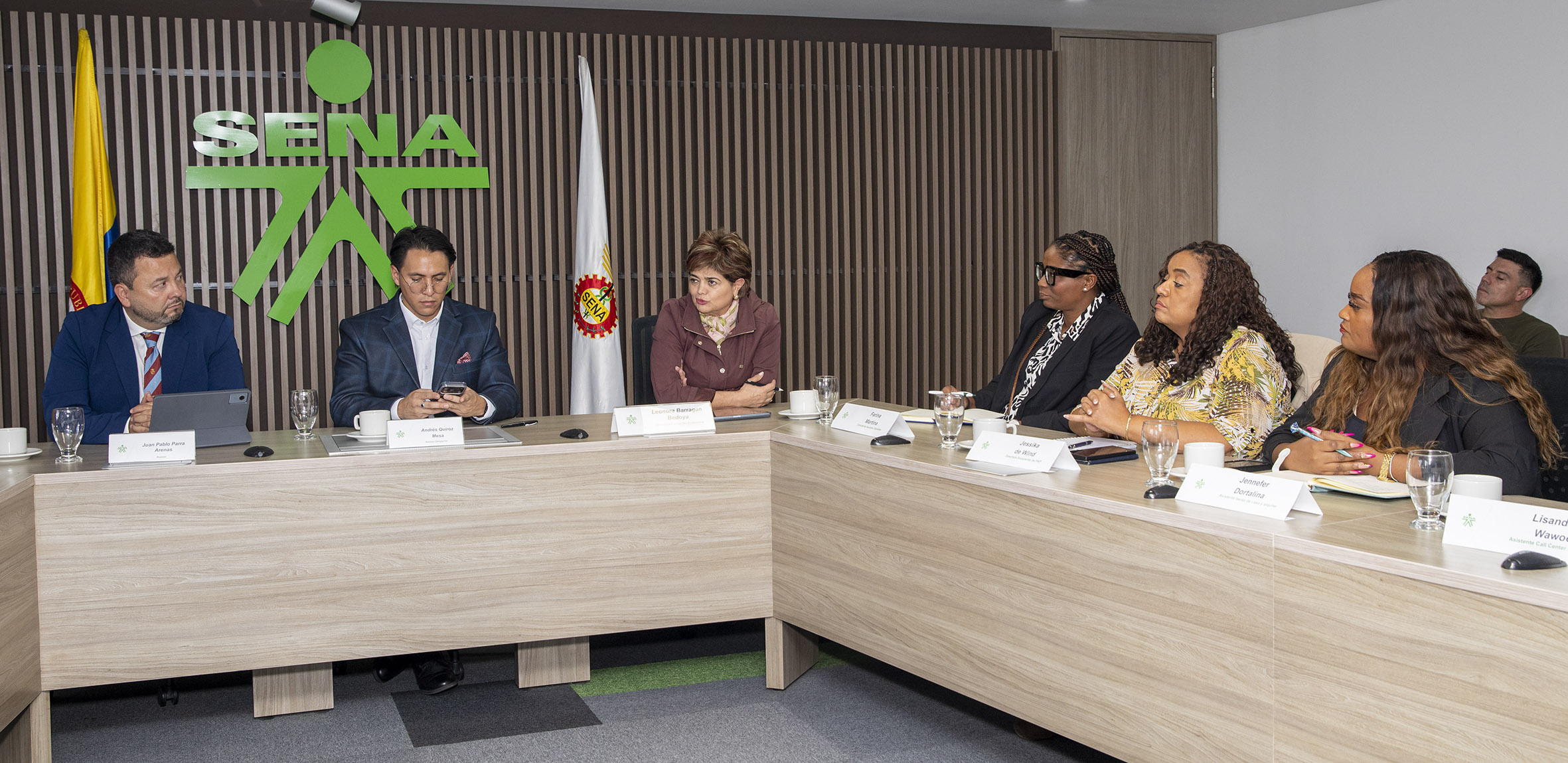
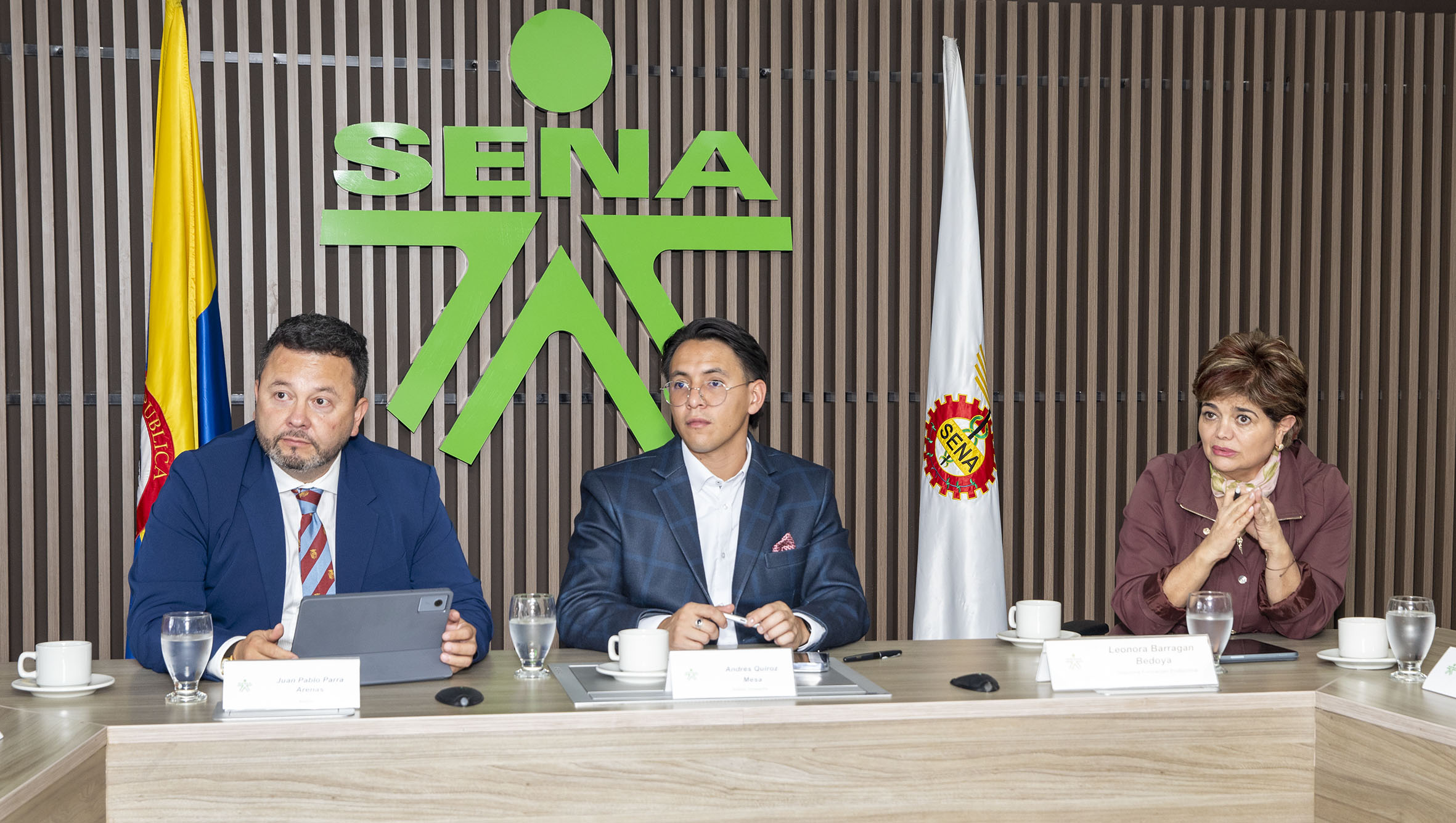
During meetings with SENA, attended by Leonora Barragán Bedoya, Director of Comprehensive Vocational Training, Andrés Quiroz Mesa, and Juan Pablo Parra, opportunities for technical cooperation with Fundashon Kas Popular were discussed.
According to information provided by the delegation, Director Fray Ricardo Torres Castro instructed his team to continue preparing a cooperation agreement with FKP, based on four identified strategic areas and an additional process for the official recognition of certificates.
Training Local Instructors
SENA experts would train local master instructors (leermeesters) in Curaçao, who could subsequently train other workers.
The objective is to transfer knowledge and develop permanent local training capacity.
Assessment of 551 Unemployed People in the Construction Sector
The initiative includes an assessment of 551 unemployed individuals in the construction sector, based on figures from the Central Bureau of Statistics (CBS).
The assessment would identify their experience, motivation, and competencies, followed by training and certification where applicable.
Priority occupations would be determined according to the needs of Curaçao's construction sector.
Vocational Training for Young People
The cooperation would also focus on preparing young people in Curaçao for careers in construction, emphasizing technical knowledge, practical experience, and opportunities for professional development.
Labor Market Assessment
A labor market assessment would determine which construction occupations face shortages of qualified workers, which specializations could be developed locally, and where it might be necessary to temporarily attract specialized workers from abroad.
Official Recognition of SENA Certificates in Curaçao
Another important component involves initiating a process with the Ministry of Education, Science, Culture and Sports (OWCS) to evaluate SENA's programs, training levels, and certificates.
The objective is to achieve official recognition of professional qualifications in Curaçao.
The process must consider program content, the number of training hours, competency levels, technical requirements, and practical assessments.
The competent authorities in Curaçao will determine the qualification levels and forms of recognition that may be granted.
This cooperation must be formalized through an agreement between the parties, including operational and financial conditions.
Recognition of certificates will depend on the evaluation and decisions of the competent authorities in Curaçao.
The guiding principle is to invest first in preparing local workers, certifying their competencies, securing official recognition of their qualifications, and strengthening Curaçao's labor capacity.
From Housing Waiting Lists to Homeownership: A New Model for Curaçao
The three cooperation initiatives complement one another.
CAMACOL offers a pathway toward more sustainable and efficient construction.
ASOCAJAS and COMPENSAR contribute expertise in preparing families socially and financially for homeownership.
SENA offers opportunities to strengthen technical training and local workforce capacity.
No Memorandum of Understanding has been signed yet.
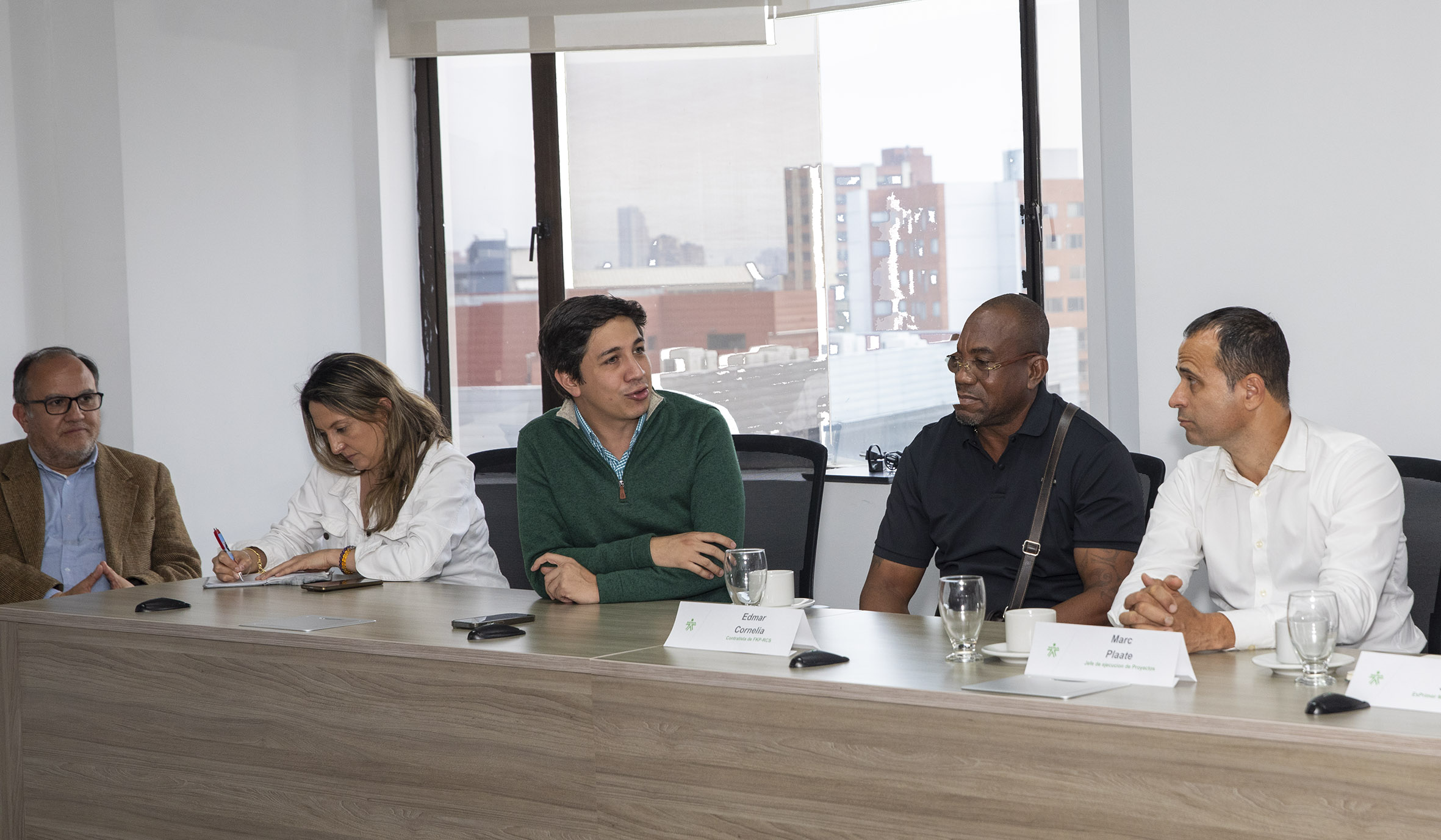
The understandings reached during the meetings provide the basis for the technical and legal teams to prepare formal agreements and define how the initiatives will be implemented.
Mi Kas Awor aims to establish a model in which investment in housing generates more than homes. It seeks to create employment opportunities, strengthen local expertise, better prepare families, and contribute to sustainable economic development.
From waiting lists to homeownership. From unemployment to training and employment. From traditional construction to sustainable housing.