WILLEMSTAD – Curaçao is taking further steps toward developing a National Artificial Intelligence (AI) Strategy that will determine how the island can use emerging technologies to improve public services, create economic opportunities, and benefit society by 2030.
The initiative recently brought together representatives of government, the business community, civil society organizations, and digital technology experts during four consultation sessions aimed at evaluating and refining the proposed direction of the strategy.
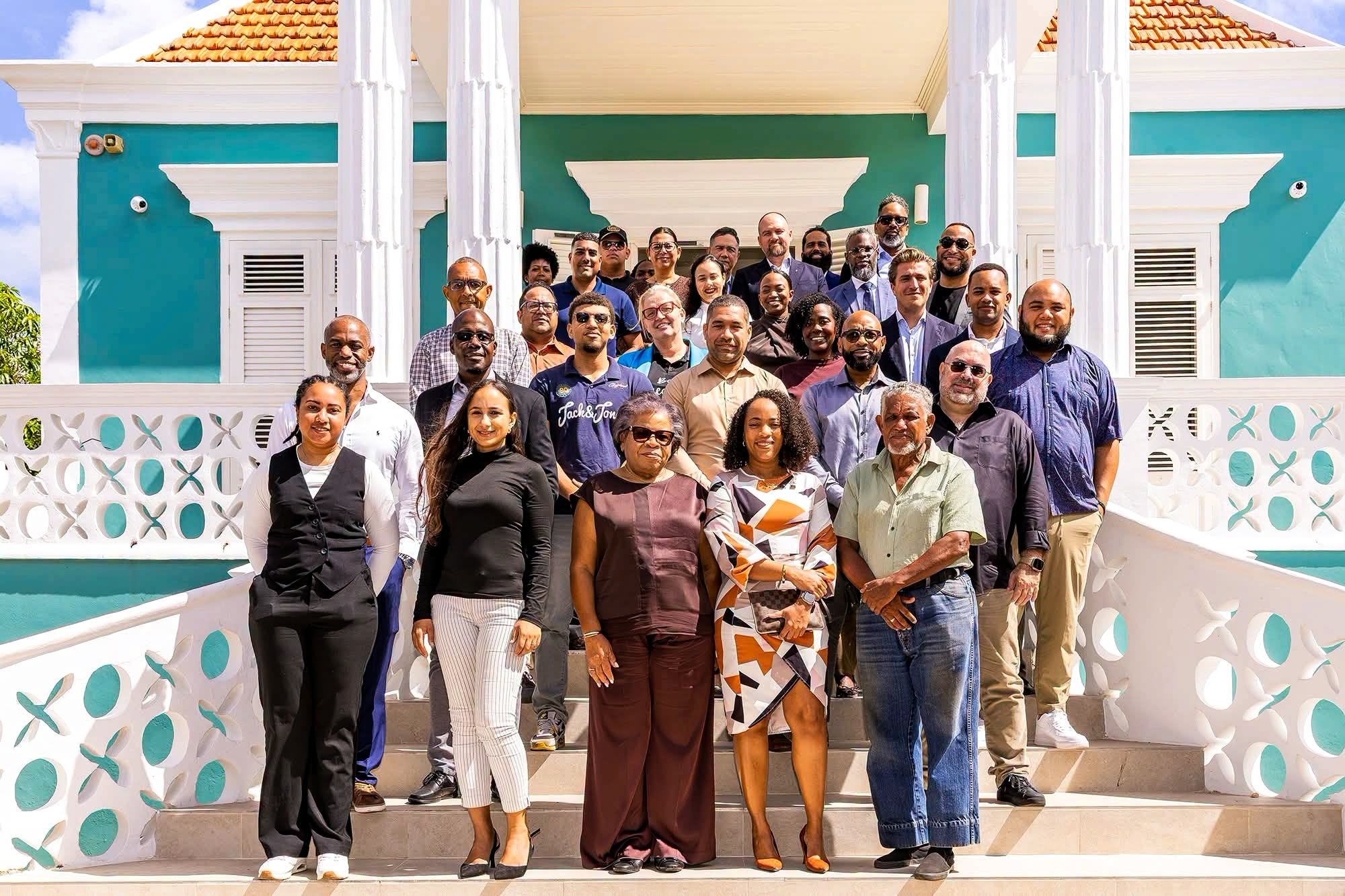
The central question was what artificial intelligence should mean for Curaçao's residents, businesses, and government by the end of the decade.
Participants were encouraged to consider not only what Curaçao hopes to achieve through AI but also how the technology should be introduced and managed responsibly.
According to the organizers, artificial intelligence is already influencing society and will continue to affect how people live, work, communicate, and access services.
The consultations therefore focused on identifying priorities, exploring practical applications, and establishing the conditions necessary to ensure that AI is accessible, secure, and beneficial to the wider population.
One of the main objectives is to prevent the development of artificial intelligence from becoming an exclusively technological initiative disconnected from the needs of ordinary citizens.
Instead, the strategy is being developed around the challenges and opportunities facing Curaçao as a whole.
During the sessions, participants examined how AI could improve government services, support economic development, and make digital tools more accessible to residents.
Businesses discussed opportunities to use artificial intelligence to improve productivity, develop new services, and strengthen their competitiveness.
Government representatives explored how the technology could contribute to more efficient public administration and improved service delivery.
Civil society organizations contributed perspectives on the needs of residents and the importance of ensuring that technological developments do not exclude vulnerable groups.
The discussions also addressed the digital infrastructure and safeguards required for reliable AI applications.
Participants considered issues such as digital skills, access to technology, cybersecurity, and the use of local languages.
The inclusion of local languages is particularly relevant for Curaçao, where Papiamentu plays an important role in everyday communication and access to public information.
Ensuring that AI applications can function effectively in the languages used by residents could help make new digital services more inclusive.
The consultation sessions also provided an opportunity for participating organizations to demonstrate how they are already using artificial intelligence.
Through short presentations, representatives shared practical examples of existing AI applications, offering insight into the current stage of technological development on the island.
These examples helped participants identify areas where knowledge and experience already exist, as well as sectors where additional expertise and investment may be required.
A major part of the consultations involved discussing what successful AI adoption could mean for life and work in Curaçao by 2030.
Participants worked in groups to examine possible future developments and identify the steps needed to achieve them.
They were asked to consider which applications should receive priority, which initiatives could be postponed, and what consequences different policy choices might have.
The discussions also explored gaps in knowledge, technical capabilities, and access to digital resources.
According to the organizers, these exchanges were intended to help establish realistic priorities rather than produce an overly ambitious strategy without a clear understanding of the island's needs.
The consultation process did not result in final decisions concerning government responsibilities, funding allocations, or specific implementation budgets.
Instead, the contributions will be used to further develop the draft strategy.
The National AI Strategy is being prepared using findings from UNESCO's AI Readiness Assessment and an initial stakeholder workshop held in September 2026.
These activities provided the foundation for four strategic pillars: government, the economy, residents, and the digital conditions necessary for AI development.
The Regulatory Authority of Curaçao (RAC) is coordinating the process of incorporating the consultation findings into the draft strategy.
RAC will also work to address remaining information gaps before the document is presented for broader public consultation.
The government intends to give the wider community an opportunity to provide feedback early in 2027.
This next phase will allow residents and other interested parties to respond to the proposed strategy and express their views on how artificial intelligence should develop in Curaçao.
The feedback will be considered during the finalization process before the completed National AI Strategy is submitted to the Government of Curaçao.
The approach reflects an effort to establish a coordinated national framework rather than allowing AI adoption to develop independently across different organizations without shared priorities.
For Curaçao, the strategy could become an important instrument for economic diversification, digital innovation, and improvements in public administration.
However, the consultations also underline that technological progress alone will not guarantee positive outcomes.
Successful implementation will require appropriate digital infrastructure, skilled professionals, reliable safeguards, and policies that ensure residents and businesses can benefit from the technology.
The National AI Strategy is expected to provide a foundation for determining how Curaçao can prepare for the growing influence of artificial intelligence while protecting public interests and creating opportunities for future generations.
The broader ambition is to ensure that by 2030, AI contributes not only to technological advancement but also to improved public services, stronger economic development, and greater accessibility for the entire community.