WILLEMSTAD – Stichting Curaçao Clean Up is taking its sustainability efforts a step further by encouraging businesses, government institutions, and community organizations to turn environmental awareness into concrete actions and lasting behavioral changes.
During a strategic workshop held as part of the Green Wave Curaçao initiative, representatives from private companies, government-owned enterprises, nonprofit organizations, and government agencies came together to explore how behavioral science can help create a cleaner and more sustainable Curaçao.
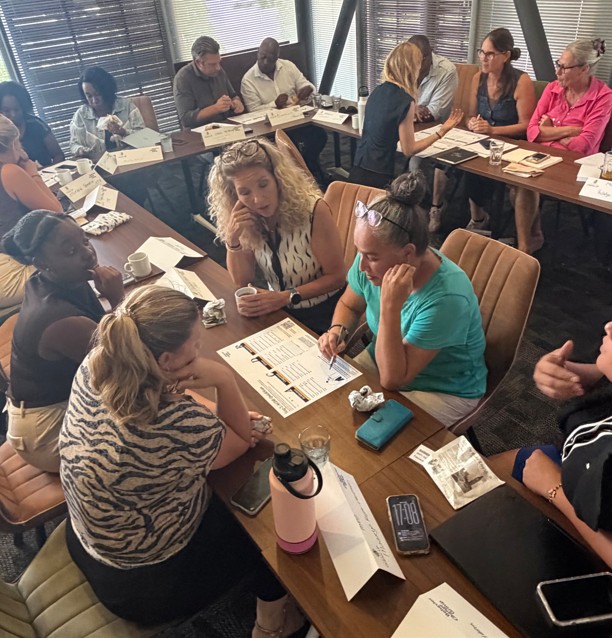
The session, announced on October 21, focused on a central question: How can sustainability become part of everyday life rather than remain a collection of good intentions?
Participants concluded the workshop by identifying practical measures they could begin implementing within their own organizations immediately.
The initiative was organized by Myrthe George-Verhulst, Chairperson of Stichting Curaçao Clean Up and Sustainability Manager at CBBC, in collaboration with Sabine Jansen of the Behavior Change Group, an organization specializing in applied behavioral science and long-term behavioral change.
Moving Beyond Environmental Awareness
Through Green Wave Curaçao, Stichting Curaçao Clean Up encourages residents, businesses, and organizations to work together toward a cleaner and more environmentally responsible island.
The initiative builds on the foundation's years of experience organizing community cleanups, educational activities, and environmental awareness campaigns.
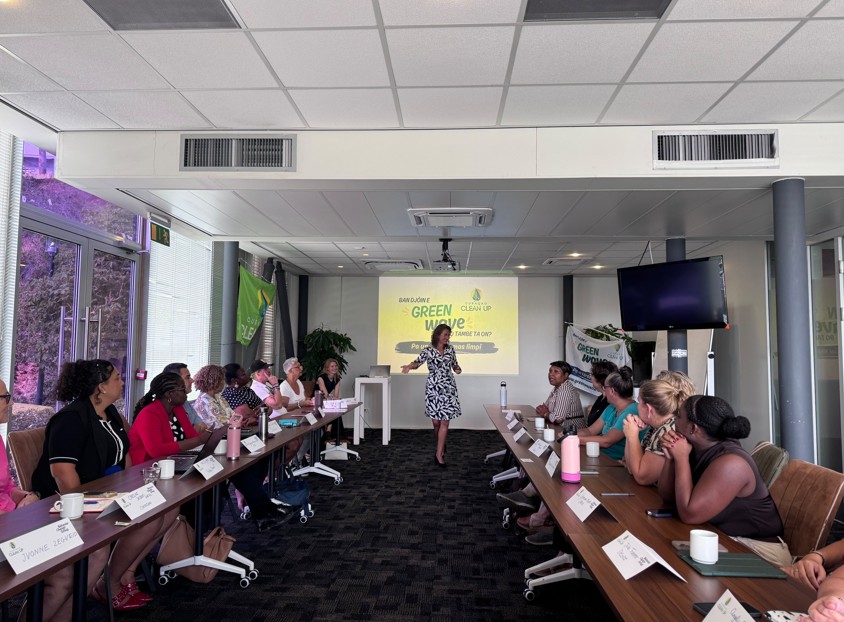
However, the organization recognizes that awareness alone does not necessarily lead to meaningful changes in behavior.
Understanding the importance of environmental protection does not automatically mean that individuals or organizations will consistently make sustainable choices.
During the workshop, participants examined why well-intentioned environmental initiatives sometimes fail to achieve their intended results.
Under the guidance of the Behavior Change Group, they explored how surroundings, knowledge, practical skills, motivation, and resistance to change influence people's decisions.
The discussions also addressed ways to make environmentally responsible choices easier, more attractive, and more natural in everyday situations.
Organizations Commit to Practical Measures
Rather than focusing exclusively on theories and long-term ambitions, the workshop encouraged participants to identify actions they could take immediately.
At the conclusion of the session, representatives discussed specific steps they could implement within the same week to make their organizations more sustainable.
Among the proposals was obtaining quotations for more environmentally friendly waste bags intended for use in vehicles.
Participants also agreed on the importance of sharing knowledge and information more actively between organizations.
Another recommendation involved making existing sustainability initiatives more visible to the public.
By communicating the environmental measures they are already implementing, businesses and institutions can encourage other organizations and residents to adopt similar practices.
According to the organizers, this approach demonstrates that sustainability does not always require major investments or large-scale projects.
Smaller, achievable changes can also contribute to broader improvements, particularly when organizations learn from one another and encourage continued action.
Small Actions Can Produce Significant Results
George-Verhulst emphasized that the foundation wants to build on its previous achievements while ensuring that environmental awareness leads to measurable changes in everyday behavior.
“Stichting Curaçao Clean Up is proud of what we have achieved over the past years through cleanups, education, and awareness initiatives, including the launch of Green Wave,” she said.
“With this strategic workshop, we want to build on those results. A more sustainable Curaçao is not created through plans and ambitions alone, but especially through the choices and actions we make every day.”
She welcomed the willingness of participants to examine their own practices and identify opportunities for improvement.
“It is encouraging to see participants immediately considering what they themselves can change. All those small actions together can make a big difference,” George-Verhulst added.
Strengthening Cooperation Across Curaçao
The workshop also highlighted the importance of cooperation between the private sector, government institutions, and civil society.
According to Curaçao Clean Up, sharing successful approaches and making existing environmental initiatives more visible can increase their impact beyond individual organizations.
The foundation believes that businesses and public institutions can play an important role in encouraging environmentally responsible behavior by demonstrating practical solutions within their own operations.
The broader objective is to create a network of organizations that actively support one another in implementing sustainable practices.
With this latest initiative, Stichting Curaçao Clean Up hopes to further expand Green Wave Curaçao from an environmental awareness movement into one that encourages lasting behavioral changes.
The foundation's message is that building a cleaner and more sustainable Curaçao requires more than public campaigns and environmental commitments. It also depends on the everyday decisions of individuals, businesses, and institutions, and their willingness to turn good intentions into action.