WILLEMSTAD – Authorities in Curaçao have uncovered multiple violations involving tourist transportation services in downtown Willemstad, including drivers operating without the required permits, vehicles carrying more passengers than legally allowed and drivers exceeding the permitted age limit for conducting tourist excursions. Several tourist transport stands were also shut down following repeated irregularities involving passenger fares.
The violations were discovered during coordinated inspections carried out by a multidisciplinary enforcement team consisting of the tourist police unit Politur, the Ministry of Economic Development (MEO) and the Ministry of Traffic, Transport and Spatial Planning (VVRP).
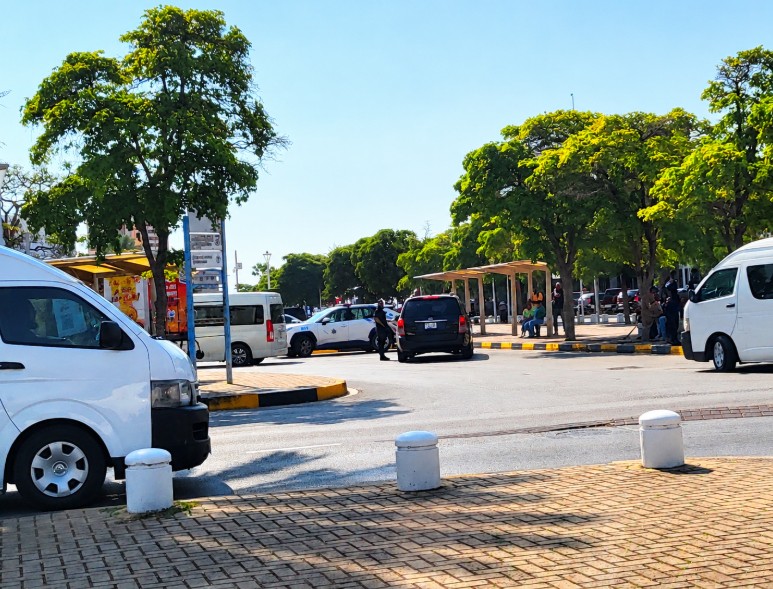
The operation focused on tourist transportation activities in Punda and Otrobanda, where inspectors stopped several minibuses and passenger vehicles transporting visitors.
During the inspections, authorities discovered that some drivers did not possess the permits required to provide tourist transportation services.
Other vehicles were found carrying more passengers than their authorized capacity, raising concerns about compliance with transportation regulations and passenger safety.
Inspectors also identified drivers who were older than the maximum age permitted under the applicable rules for conducting tourist excursions.
When violations were established, tourists were instructed to leave the vehicles involved.
Politur subsequently arranged alternative transportation, including licensed taxis or tour buses, to ensure that the affected visitors could continue to their destinations.
The authorities emphasized enforcement while also taking steps to minimize disruption to tourists who had already booked transportation.
Tourist Transport Stands Shut Down Over Fare Irregularities
In addition to inspecting vehicles and drivers, MEO took action against several tourist transportation stands where irregularities involving fares were identified.
According to the authorities, operators at certain stands changed their advertised or established prices when tourists approached to request transportation.
The stands involved had previously received warnings about these practices.
After inspectors discovered further violations, the operators received a third warning, and their activities were suspended.
The closures form part of the government's efforts to enforce regulations governing tourist transportation and prevent visitors from being subjected to irregular pricing practices.
The authorities did not disclose the number of stands closed or identify the operators involved.
Illegal Taxis Targeted Near Cruise Ship Terminals
The enforcement operation also extended to other locations frequently used by tourists, particularly cruise ship passengers.
Inspections were conducted at the Awasá bus stop, near Riffort and in the vicinity of the Mega Pier.
At these locations, officers focused particularly on illegal taxis offering transportation services to cruise tourists.
Several violations were identified during these inspections, and multiple drivers received fines.
The authorities did not specify the total number of vehicles inspected, the number of fines issued or the amounts involved.
The inspections highlight concerns about compliance with tourist transportation regulations in areas where large numbers of visitors depend on taxis, minibuses and organized excursions.
Illegal transportation services and unauthorized fare changes can create problems for visitors and place licensed operators at a disadvantage.
By checking permits, passenger capacity and operating conditions, the authorities aim to ensure that tourist transportation providers comply with the regulations governing the sector.
The coordinated operation also demonstrates the involvement of several government agencies in monitoring tourism-related commercial activities.
Politur focuses on tourist safety and law enforcement, while MEO and VVRP oversee relevant economic and transportation regulations.
Authorities have indicated that additional inspections may be conducted in the coming period.
The latest enforcement actions serve as a warning to tourist transportation operators that violations involving permits, passenger capacity, driver eligibility and fares can result in fines or the suspension of their activities.