WILLEMSTAD – The future of Curaçao's economy, the continued growth of its tourism industry, and the importance of balancing economic development with environmental and cultural preservation were central topics during a meeting with Dutch Minister of Economic Affairs Heleen Herbert.
The discussions focused on how Curaçao can continue attracting visitors and investment while ensuring that economic growth benefits the local population and protects the island's natural environment and cultural identity.
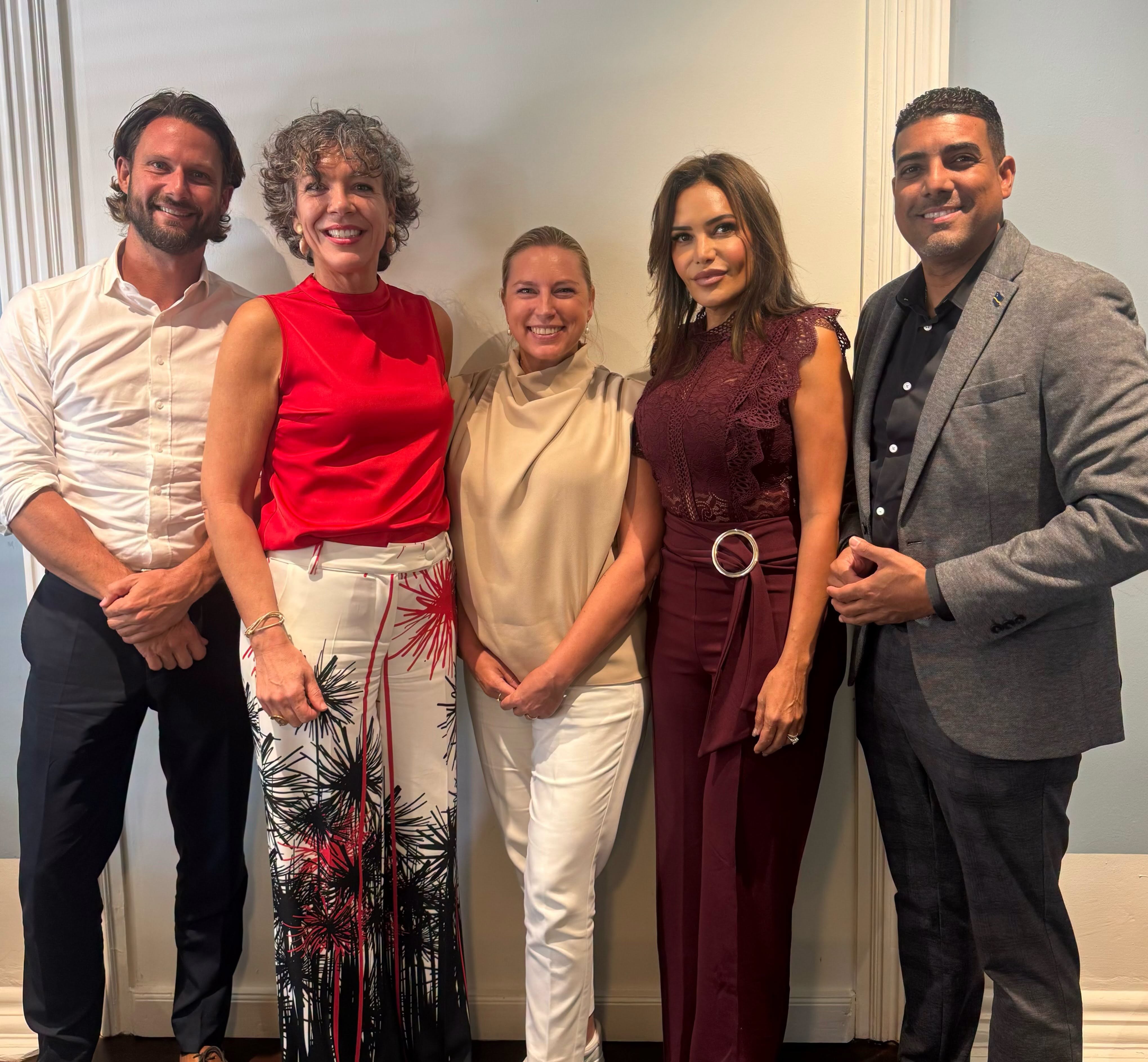
CHATA and CTB representatives together with Dutch Minister of Economic Affairs Heleen Herbert
According to a statement shared following the meeting, the conversation was constructive and highlighted the importance of pursuing a balanced and sustainable approach to economic development.
A central message was that Curaçao's future growth should not come at the expense of the qualities that make the island unique.
Focus on Quality Tourism Rather Than Growth Alone
One of the key issues discussed was the importance of attracting visitors who genuinely appreciate Curaçao's identity, traditions, and natural surroundings.
The statement emphasized that tourism development should focus on quality visitors who value the island's music, cuisine, art, heritage, and natural beauty.
This approach reflects a desire to ensure that tourism growth contributes positively to the local community while preserving Curaçao's authenticity.
Rather than viewing visitor numbers as the only measure of success, the discussion highlighted the importance of maintaining a balance between economic opportunities and the preservation of the island's cultural and environmental assets.
The statement acknowledged that finding the right balance remains an ongoing challenge.
As tourism continues to develop, questions surrounding sustainability, community benefits, and the protection of natural resources remain important considerations for Curaçao's long-term economic future.
Economic Diversification Remains a Priority
Beyond tourism, the meeting also addressed the need to strengthen other sectors of Curaçao's economy.
Economic diversification was identified as an important objective to ensure that the island does not become overly dependent on a single industry.
The statement emphasized that tourism should continue making a significant contribution to economic activity while other sectors are given opportunities to develop and expand.
A more diversified economy could help create additional employment opportunities, encourage investment, and strengthen Curaçao's ability to respond to changes in international economic conditions.
The discussions therefore placed tourism within a broader economic development strategy that seeks to balance continued growth in the visitor economy with opportunities in other industries.
Protecting Curaçao's Identity While Encouraging Investment
The importance of preserving Curaçao's cultural identity was another central theme of the conversation.
The statement stressed that economic development should place people, nature, and the island's authenticity at the center of decision-making.
Curaçao's cultural heritage, local traditions, gastronomy, music, and artistic expressions were highlighted as essential elements of the island's appeal.
These characteristics are not only important to residents but also contribute to the experience Curaçao offers international visitors.
The discussion underscored the belief that protecting these assets should remain a priority as the island continues to develop its tourism sector.
Continued Dialogue on Curaçao's Economic Future
The meeting with Minister Herbert provided an opportunity to exchange views on Curaçao's economic direction and the challenges associated with sustainable growth.
Although the statement did not announce specific agreements, new investments, or joint projects resulting from the discussion, it emphasized a shared interest in examining how economic development can proceed in a balanced manner.
The central objective is to maintain tourism as an important economic contributor while creating opportunities for other sectors and ensuring that the benefits of growth are consistent with the interests of Curaçao's population.
The conversation highlighted the importance of long-term planning in which economic prosperity, environmental protection, and cultural preservation reinforce one another rather than compete.
For Curaçao, the challenge will be translating these principles into policies and initiatives that allow the island to grow economically without losing the identity and natural qualities that distinguish it as a Caribbean destination.