NEW YORK – A heated confrontation erupted at the United Nations General Assembly on Tuesday, October 27, 2026, when Cuban Foreign Minister Bruno Rodríguez confronted U.S. Ambassador Mike Waltz during a debate over the longstanding American embargo against Cuba.
According to accounts of the incident, Rodríguez approached the podium while Waltz was addressing the assembly and accused the American diplomat of lying.
The confrontation occurred as member states prepared to vote on a resolution calling for an end to the U.S. economic, commercial, and financial embargo against Cuba.
Waltz had been criticizing Cuba's political leadership, accusing senior officials of enjoying privileges while ordinary Cubans struggle with severe economic hardship.
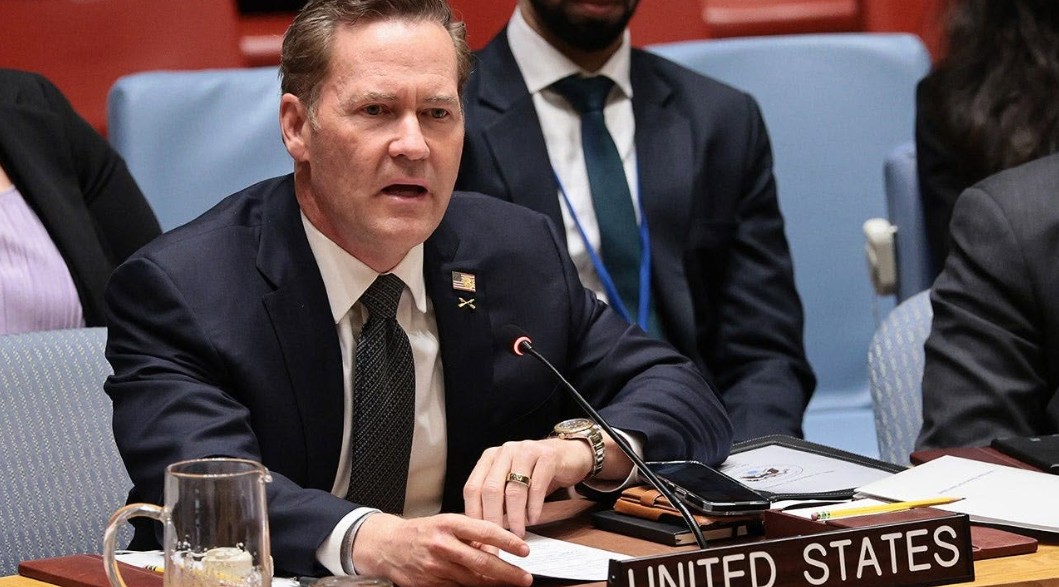
U.S. Ambassador Mike Waltz
Rodríguez objected to the American ambassador's remarks, leading to an unusually direct exchange between the representatives of the two countries.
Waltz reportedly responded by telling the Cuban foreign minister to move away from the podium, declaring, "This is not Havana."
The American ambassador also accused the Cuban government of intimidating political prisoners and indicated that he would not tolerate similar behavior during his address.
The exchange highlighted the deep diplomatic divisions between Washington and Havana, particularly over the economic sanctions that have shaped relations between the two countries for more than six decades.
Dispute Over International Support
The confrontation took place against the backdrop of renewed diplomatic efforts by both countries to influence the General Assembly's position on the embargo.
The United States has been seeking support from other governments to oppose the resolution, while Cuba has accused Washington of pressuring diplomatic delegations to change their voting positions.
For decades, the General Assembly has adopted resolutions calling for an end to the American embargo, reflecting widespread international opposition to the restrictions.
Although these resolutions carry considerable diplomatic significance, they are not legally binding and do not compel the United States to change its sanctions policy.
Cuba maintains that the embargo has severely damaged its economy, restricted international trade, and complicated access to essential goods.
The United States, meanwhile, has defended its sanctions policy while criticizing the Cuban government's record on political freedoms, human rights, and economic management.
Tensions Extend Beyond the United Nations
The confrontation comes amid heightened tensions between the two governments over Cuba's political future.
Recent remarks attributed to U.S. Secretary of State Marco Rubio, encouraging individuals seeking political change in Cuba to cooperate discreetly with American intelligence agencies, have added to the controversy surrounding Washington's approach toward Havana.
The broader dispute reflects fundamentally different positions on Cuba's political system, economic conditions, and relations with the United States.
For the Cuban government, the annual United Nations debate provides an opportunity to challenge American sanctions before the international community.
For Washington, the proceedings offer a platform to criticize the Cuban leadership and defend its policies toward the island.
Tuesday's confrontation demonstrated how sharply those differences remain, with the dispute moving beyond formal diplomatic statements into a direct exchange on the floor of the General Assembly.