WILLEMSTAD – Curaçao's rapidly expanding tourism industry must deliver greater economic benefits to the local population rather than concentrating its gains within the sector, according to Central Bank President Ference Lamp. He warned that although tourism has become a major driver of the island's economic recovery, many residents are not experiencing the same level of prosperity.
Speaking Tuesday during the annual meeting of the Curaçao Hospitality and Tourism Association (CHATA), Lamp called for a more balanced approach to economic development, emphasizing that the next phase of tourism growth should focus on improving living standards rather than simply attracting more visitors.
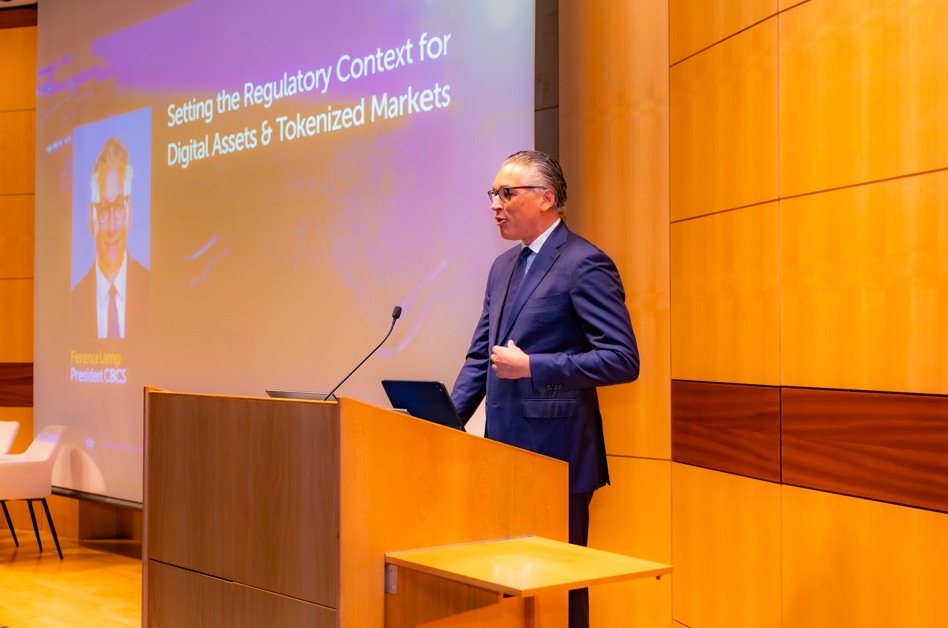
Central Bank President Ference Lamp
According to the president of the Central Bank of Curaçao and Sint Maarten (CBCS), the tourism sector has played a decisive role in Curaçao's recent economic recovery. However, the benefits of that expansion have not been distributed sufficiently throughout society.
Lamp believes the island must ensure that the revenue generated by tourism translates into tangible improvements in the daily lives of residents.
Economic Growth Must Reach Ordinary Citizens
The Central Bank president stressed that economic growth alone is not enough to guarantee prosperity.
While the tourism industry generates economic activity and employment, Lamp warned that its success is not yet being felt adequately by ordinary citizens.
He believes policymakers and industry leaders must pay greater attention to how tourism revenue contributes to household incomes, employment opportunities, and the overall quality of life.
One of the priorities should be the creation of better-quality jobs that offer residents opportunities for professional development and improved financial security.
Lamp's remarks highlight the importance of ensuring that tourism growth contributes to broader economic development rather than benefiting only businesses directly involved in the industry.
Housing Affordability and Infrastructure Under Pressure
Another major concern raised by Lamp is the increasing pressure on Curaçao's infrastructure.
As tourism continues to expand, the island must address the growing demands placed on roads, energy systems, and other essential public facilities.
The Central Bank president emphasized that investments in infrastructure are necessary to support continued economic development while maintaining an acceptable quality of life for residents.
Affordable housing was also identified as a priority.
According to Lamp, Curaçao must ensure that economic expansion is accompanied by policies and investments that make adequate housing accessible to the local population.
He also stressed the importance of education, which plays a central role in preparing residents to benefit from new economic opportunities.
Investments in education and workforce development could help more Curaçao residents qualify for better-paying positions and participate more fully in the island's economic progress.
Tourism Strategy Must Move Beyond Visitor Numbers
Lamp's message represents a call for a broader assessment of tourism success.
Rather than measuring progress primarily through increasing visitor arrivals, he believes Curaçao should place greater emphasis on the quality and distribution of the economic benefits generated by the industry.
This would require attention to employment conditions, housing affordability, infrastructure development, and the long-term sustainability of the island's economic model.
The Central Bank president indicated that the next stage of economic growth should focus on creating lasting prosperity for the population.
His remarks come as Curaçao continues to rely heavily on tourism as a source of economic activity, making the sector's long-term development particularly important to the island's financial and social well-being.
Government and Tourism Industry Urged to Work Together
Lamp called on the government and the tourism sector to cooperate more closely in developing an economic strategy that benefits the wider population.
He emphasized that sustainable prosperity requires coordinated action, with both public authorities and private businesses contributing to investments that support the island's future.
The challenge, according to the Central Bank president, is to ensure that the tourism industry's success produces lasting improvements in employment, housing, infrastructure, and education.
His message to CHATA was that Curaçao should not pursue tourism expansion as an objective in itself.
Instead, the island must ensure that growth creates opportunities for its residents and strengthens the foundations of the broader economy.
For Lamp, the ultimate measure of success is not simply how many tourists visit Curaçao or how much revenue the industry generates, but whether that prosperity is shared more fairly and becomes visible in the everyday lives of the people who call the island home.