WILLEMSTAD – Curaçao’s Audit Chamber has again criticized the government’s purchase of the former Campo Alegre property, concluding that the acquisition was carried out with legal and budgetary irregularities.
The criticism was presented during yesterday’s parliamentary meeting, where the Audit Chamber gave lawmakers an update on its findings regarding the government’s purchase of the Campo Alegre site and surrounding lands in Cunucu Hatun and Seroe Fortuna.
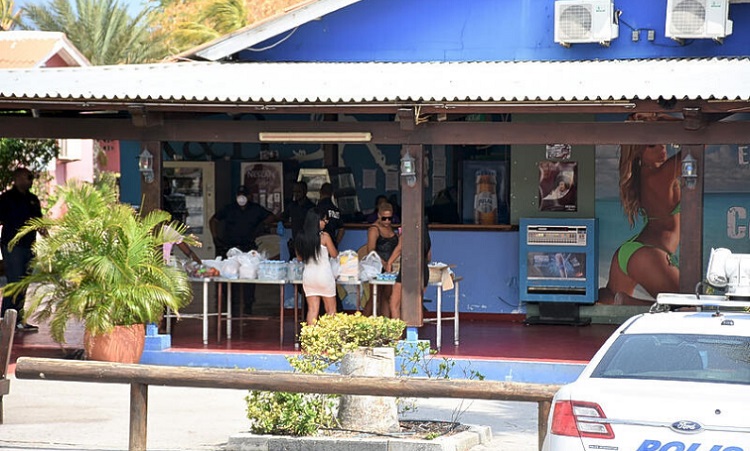
Campo Alegre
Campo Alegre, once Curaçao’s best-known legal brothel, has remained a politically sensitive property since the government moved to acquire the site as part of broader redevelopment plans.
According to the Audit Chamber, the core issue is not the purchase itself, but the legal process used to complete it.
The watchdog says the acquisition should first have been formally included in the national budget or approved through a budget amendment by the Curaçao Parliament before funds were committed.
According to the presentation to Parliament, that did not happen.
Under Curaçao’s public finance laws, budget adjustments can only be bypassed under exceptional circumstances, such as an urgent or unforeseen emergency.

Campo Alegre sign
But the Audit Chamber says it found no clear evidence that the Campo Alegre acquisition qualified as such an emergency.
The report further notes that while there was a national decree authorizing Prime Minister Gilmar 'Pik' Pisas to proceed with the purchase, there was no formal Council of Ministers decision approving a change to the budget framework.
That missing step is central to the Audit Chamber’s conclusion.
It says the failure to secure proper budgetary authorization amounts to a legality error in the execution of the purchase.
The findings add to ongoing debate about the government’s management of major acquisitions and public spending procedures.
Campo Alegre has long been one of Curaçao’s most recognizable and controversial properties.
For decades, the complex operated as a legal prostitution center before closing in 2020, ending a chapter in the island’s regulated sex industry.
Since then, discussions about its future have centered on redevelopment, land use and economic potential.
The government has argued that the acquisition serves broader strategic and development interests, but the Audit Chamber’s latest findings raise fresh questions about compliance with public finance laws and parliamentary oversight.
It remains unclear whether the government will formally respond to the criticism or whether Parliament will seek further clarification on the purchase process.