WILLEMSTAD – Curaçao activist Elvis de Andrade has filed a formal complaint with Governor Mauritsz de Kort, urging him not to sign a government decree authorizing year-end bonuses for ministers and members of Curaçao Parliament. De Andrade argues that the proposed payments, equivalent to an entire month's salary, amount to an unacceptable use of public funds and lack a proper legal basis.
The complaint was submitted on Tuesday morning, November 3, 2026, amid growing scrutiny of the Pisas administration's plans to provide additional compensation to political officeholders.
De Andrade strongly criticized the proposal, describing the payments as "fraud and theft" and accusing the government of using public resources to benefit its own members.
According to the activist, the decision amounts to self-enrichment and could constitute a criminal offense.
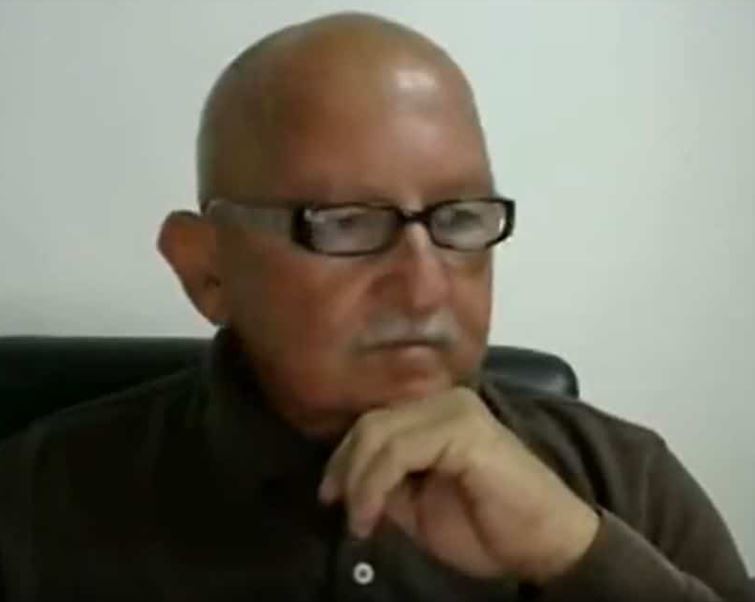
Elvis de Andrade
These allegations represent De Andrade's position and have not been established by a court.
Governor Urged to Refuse Signature
In his complaint, De Andrade specifically asks Governor De Kort to withhold his signature from the national decree intended to authorize the payments.
The governor's involvement is significant because the formal adoption of government decrees requires compliance with the applicable constitutional and legal procedures.
By addressing the governor directly, De Andrade is seeking to prevent the proposed arrangement from taking effect.
His intervention also raises questions about the legal authority under which ministers and parliamentarians could receive an additional payment equivalent to one month's salary.
The activist maintains that the government should not be permitted to approve financial benefits for its own political representatives without a clear legal foundation.
Financial Supervisor Previously Raised Legal Concerns
The controversy follows concerns previously expressed by the Board of Financial Supervision (Cft).
According to the financial supervisor, granting such bonuses requires an explicit legal basis.
The existing national ordinances governing the remuneration of political officeholders do not provide for the proposed year-end payments, according to the Cft's assessment.
This means that the government cannot simply introduce the bonuses through an administrative decision without ensuring that the necessary legal requirements are satisfied.
The Cft has also urged restraint in increasing government expenditures.
Its position places the proposed bonuses within the broader discussion about public spending, fiscal discipline, and the government's responsibility to manage public finances.
The legal concerns are separate from De Andrade's criminal allegations. The absence of a sufficient legal basis for a payment does not, by itself, establish that a criminal offense has occurred.
Questions Over Political Compensation
The proposed year-end bonus would provide ministers and members of Curaçao Parliament with an additional payment equivalent to their monthly salary.
The plan has raised questions about the appropriateness of granting additional compensation to political officeholders, particularly when the government is expected to exercise financial restraint.
De Andrade argues that public officials should not be allowed to approve such benefits for themselves without clear legal authorization and proper accountability.
The controversy also highlights the distinction between compensation arrangements established by law and additional payments introduced through government decisions.
For the proposed bonuses to withstand legal scrutiny, the government would need to demonstrate that the payments are permitted under the applicable legal framework.
Awaiting Governor's Response
It remains unclear whether Governor De Kort will respond publicly to De Andrade's complaint or what action he may take regarding the proposed decree.
The available information also does not establish whether the government intends to amend the relevant legislation to create a legal basis for the payments.
For now, the complaint adds to the pressure on the Pisas administration to explain the legal justification for the proposed bonuses.
The central question is whether the government can lawfully authorize additional year-end compensation for ministers and parliamentarians when the existing remuneration laws do not expressly provide for such payments.
De Andrade is calling on the governor to intervene before the measure is finalized, while the Cft's earlier warning underscores the importance of ensuring that any increase in political compensation complies with the law and the government's financial obligations.