MIAMI – The United States Southern Command has announced the deployment of forces and new operations within its area of responsibility as Washington intensifies efforts against drug-trafficking and organizations it considers linked to terrorism in Latin America.
According to the announcement, the operations will involve U.S. capabilities in the air, on land and at sea, with particular attention to countries including Colombia and Ecuador. The activities are expected to involve cooperation with countries participating in what has been described as the Coalition of the Americas Against Cartels.
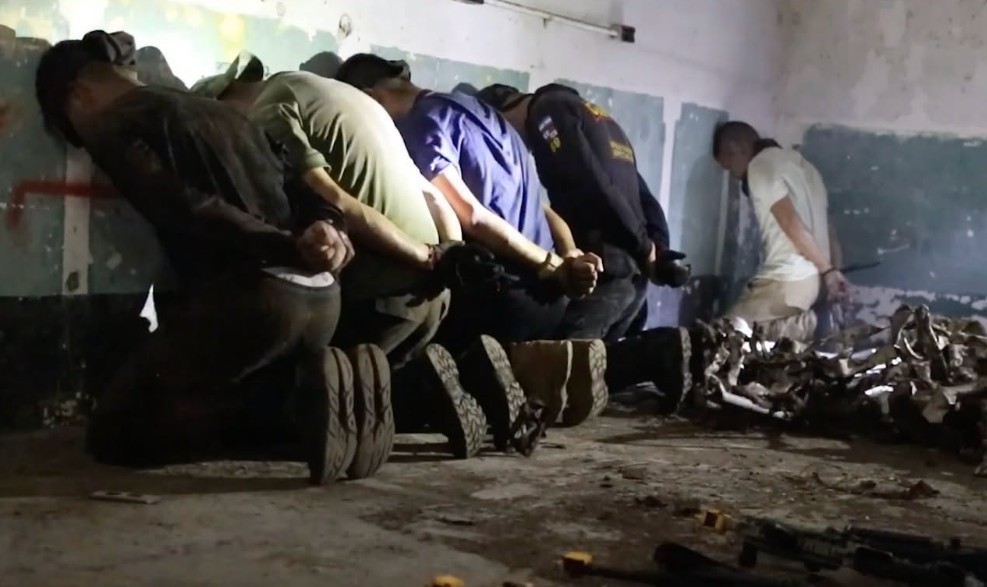
The stated objective is to apply what U.S. officials describe as “total systemic friction” against criminal organizations. Rather than focusing solely on drug shipments, the strategy seeks to disrupt trafficking routes, financing networks, logistical chains, production centers and the operational capabilities of targeted groups.
U.S. forces are expected to support the Joint Task Force for the Western Hemisphere and other U.S.-led operations in the region.
The initiative forms part of President Donald Trump’s broader strategy to increase pressure on transnational criminal organizations operating throughout Latin America and the Caribbean. Washington has identified disrupting illicit drug flows, weakening networks it classifies as narcoterrorist organizations and deterring actors considered threats to the United States as key priorities.
The approach also emphasizes maintaining a U.S. military presence in the region as part of efforts to prevent drugs and other security threats from reaching American territory.
The announcement signals a potentially expanded U.S. role in regional counternarcotics operations. However, important details remain unclear, including the precise number and type of forces involved, where they will be deployed and the extent to which U.S. personnel will participate directly in operations inside individual Latin American countries.
Any activities conducted within countries such as Colombia and Ecuador will also depend on the cooperation arrangements and authorization provided by their respective governments.
The development comes as Washington increasingly treats major drug-trafficking organizations not only as law-enforcement targets but also as national-security threats, potentially expanding the role of the U.S. military in efforts that historically relied heavily on police, intelligence and counternarcotics agencies.