Politics can be brutal. But even by Curaçao standards, what happened this week inside the ruling Movementu Futuro Kòrsou (MFK) is difficult to comprehend.
Javier Silvania — one of the most recognizable and electorally powerful figures within the party — was effectively rejected by the very political movement he helped strengthen into the dominant force it is today.
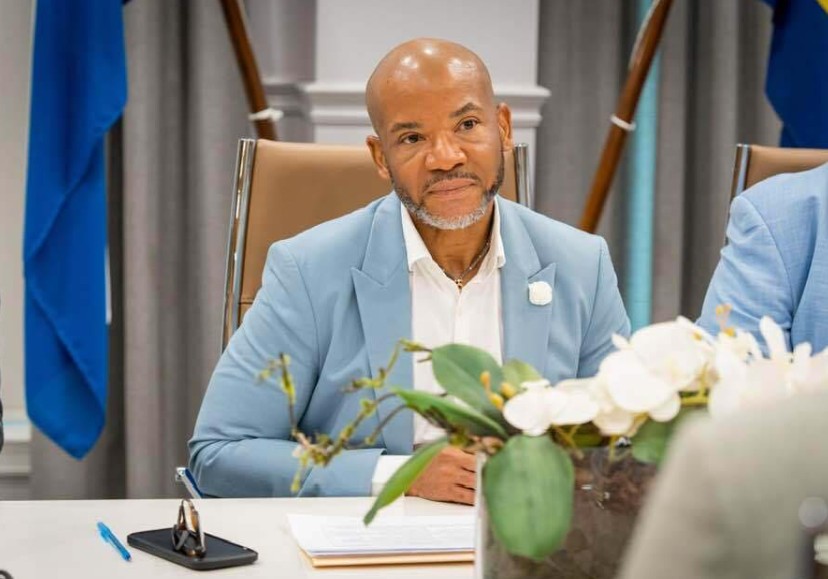
Javier Silvania
For many observers, the result is simply shocking.
Silvania was not a marginal figure inside MFK. He was one of its political heavyweights. In the last elections, he attracted roughly 18,000 votes, helping secure MFK’s overwhelming majority and cementing its grip on power. In practical political terms, that makes him one of the biggest vote-getters in modern Curaçao politics.
Yet when the party membership had the opportunity to choose its new leadership, Silvania did not emerge victorious.
That reality is politically significant far beyond internal party dynamics.
Because this was not just a routine internal election. It was a public signal. A message. And many are now trying to understand what exactly that message means.
Was this about ideology? Internal power struggles? Personality conflicts? Fear of Silvania’s growing influence? Or a deeper divide inside MFK that has remained hidden beneath the surface of its electoral success?
Whatever the explanation may be, the optics are damaging.
Several politicians and political commentators have already publicly suggested that Silvania should now leave the party, keep his parliamentary seat, and continue as an independent politician. From a purely strategic perspective, many would argue he would have both the support base and political leverage to survive outside MFK.
But until now, Silvania himself has repeatedly emphasized loyalty to the party.
That loyalty now faces its biggest test.
Because politics is not only about winning elections. It is also about respect, trust, and recognition within your own political movement. And it is difficult to ignore the symbolism of a party rejecting one of the men most responsible for its electoral dominance.
The situation also exposes an uncomfortable truth about modern politics: electoral success alone does not guarantee internal protection.
History is filled with politicians who delivered victories for their parties only to later find themselves isolated when internal alliances shifted.
For MFK, this episode could become more consequential than many realize.
The party currently governs from a position of enormous strength. But strong majorities can also create internal tensions. When opposition parties become weak, the real battles often move inside the ruling party itself. Power centers emerge. Rivalries deepen. Internal competition becomes more important than external enemies.
This is where political maturity becomes crucial.
If MFK mishandles this moment, it risks creating unnecessary fractures within its own movement. And in politics, internal divisions are often more dangerous than attacks from the opposition.
At the same time, Silvania himself now faces a defining personal and political decision.
Does he remain loyal despite the humiliation? Does he fight internally? Or does he eventually conclude that his political future no longer aligns with the direction of the party?
Those answers may shape not only his own future, but potentially the future balance of power within Curaçao politics itself.
One thing is certain: what happened this week was not ordinary political news.
It was a political earthquake.