FARMINGTON HILLS, WILLEMSTAD – St. Martinus University (SMU), Curaçao’s international medical school, has announced a 92 percent residency match rate for its 2026 graduating class, marking one of the institution’s strongest performances in recent years and reinforcing its position as a training ground for physicians entering the United States healthcare system.
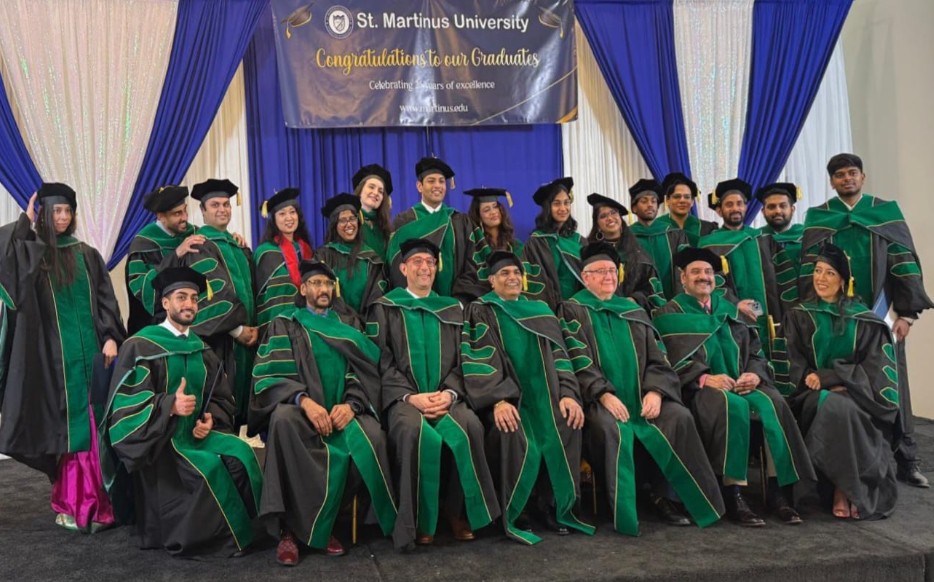
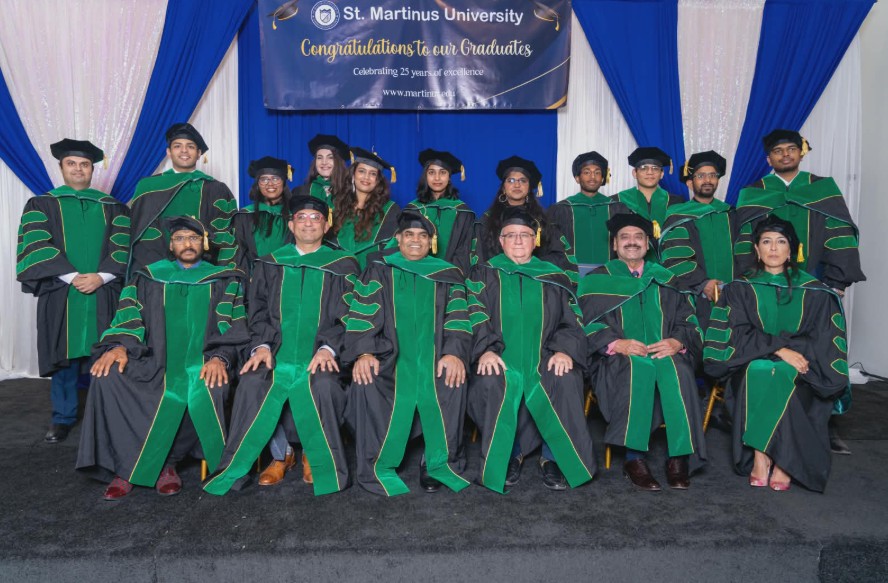
The milestone was announced during the university’s graduation ceremony on April 26, attended by approximately 210 guests, as the institution also unveiled new developments in U.S. clinical collaboration and the integration of artificial intelligence into its medical education program.
The university, which has been based in Curaçao for 25 years, said the latest results reflect both academic progress and growing international alignment with American healthcare networks.
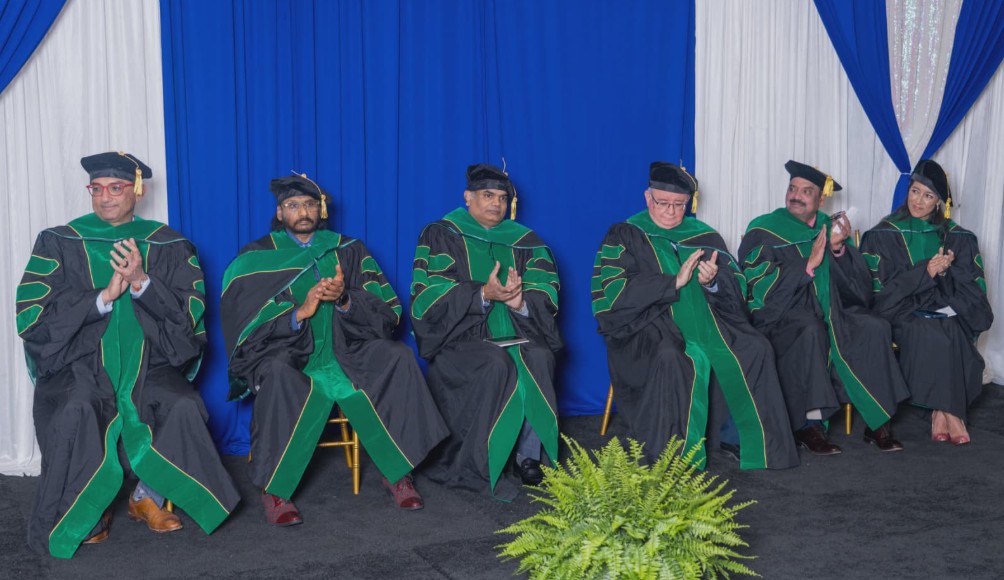
During the ceremony, Chairman of the Board of Governors, Dr. Haranath Policherla, highlighted the university’s expanding efforts to strengthen clinical training pathways through collaboration with Prime Healthcare Services, one of the largest healthcare systems in the United States.
According to Policherla, the partnership aims to create more clinical training opportunities for SMU students and improve access to residency and hospital placements in the U.S.
“The future of healthcare is being driven by artificial intelligence,” Policherla said. “St. Martinus University is actively integrating AI into its curriculum while advancing clinical affiliations that expand opportunities for our students within the U.S. healthcare system.”
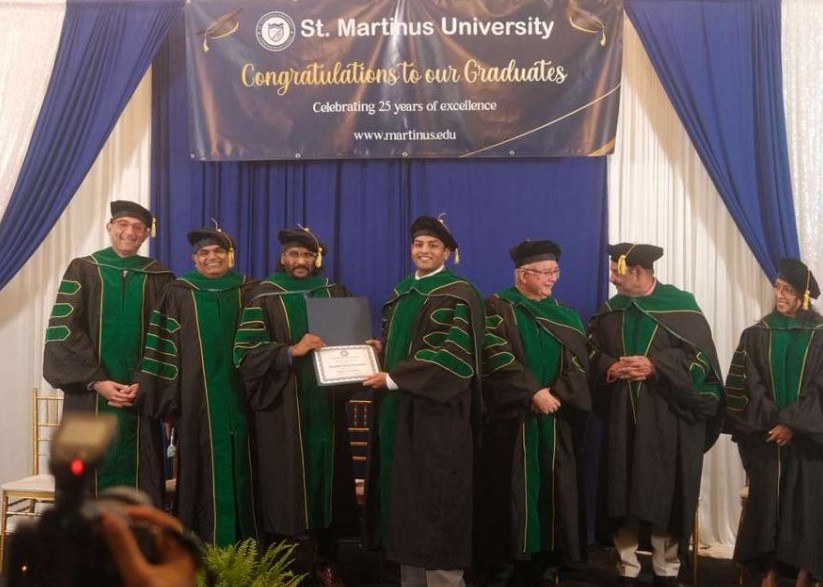
University President Dr. Murali Ginjupalli said the 92 percent residency match rate demonstrates the strength of the university’s academic framework and the preparedness of its students for the next phase of their medical careers.
In medical education, the residency match process is considered one of the most important indicators of a medical school’s success, as it reflects how many graduates secure placements in postgraduate training programs.
“This outcome reflects the discipline of our students and the academic framework we have built,” Ginjupalli said. “We are committed to delivering both opportunity and measurable success for our graduates.”
The graduation ceremony also highlighted the university’s growing emphasis on technology in medicine.
SMU announced that artificial intelligence is now being increasingly integrated into its curriculum, preparing students for the future of healthcare, where AI is expected to play a larger role in diagnostics, clinical decision-making and patient data management.
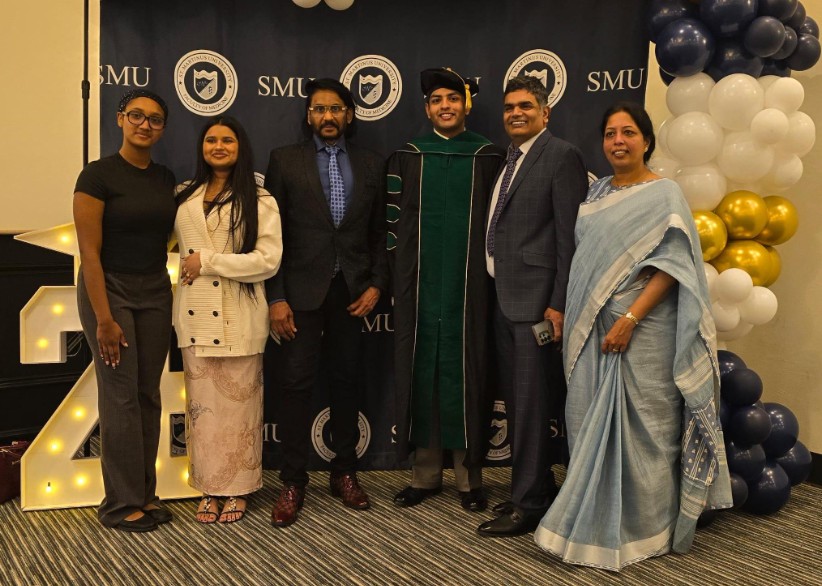
Medical educators worldwide are increasingly incorporating AI training into medical programs as hospitals and healthcare systems adopt new technologies to improve efficiency and patient outcomes.
The ceremony included the formal conferral of diplomas and the administration of the Hippocratic Oath, the traditional ethical pledge taken by new physicians.
Several academic leaders and board members attended the event, along with alumni and community representatives, underscoring the university’s growing professional network.
Chief Executive Officer Shrini Sajja, who delivered the closing remarks, said the university remains focused on sustainable expansion while maintaining academic quality.
“We are focused on scaling responsibly while maintaining strong academic outcomes and expanding global clinical opportunities,” Sajja said.
Founded 25 years ago, St. Martinus University has positioned itself as an international medical school serving students from various countries, many of whom pursue medical careers in the United States.
The institution says its focus remains on clinical readiness, measurable academic outcomes and innovation in healthcare education.
The latest residency results and new clinical partnerships are expected to further strengthen SMU’s reputation as one of Curaçao’s internationally recognized higher education institutions in the medical field.