CARACAS – In a high-profile diplomatic and energy policy move, U.S. Energy Secretary Chris Wright has visited Venezuela to discuss boosting the South American nation’s oil production and deepening bilateral cooperation — a visit with implications for global energy markets and regional geopolitics. The trip, one of the highest-level engagements by a U.S. official in decades, took place amid sweeping changes in Venezuela’s political landscape and energy sector.
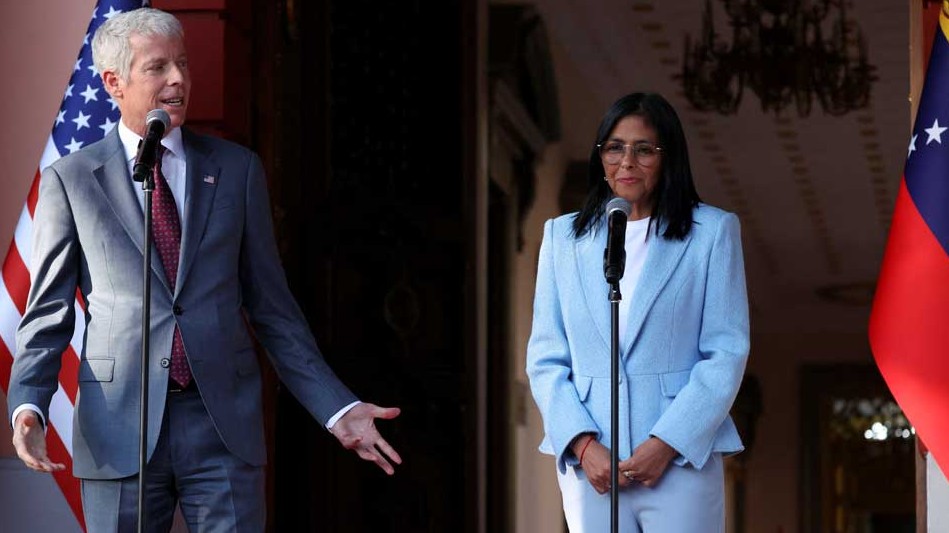
Secretary Wright met on February 11 with Venezuela’s interim President Delcy Rodríguez at the Miraflores presidential palace in Caracas to discuss ways Washington and Caracas can work together to revitalize the country’s long-struggling oil industry.
A Push for Production and Investment
Wright emphasized the United States’ desire to help increase Venezuelan oil, natural gas and electricity output — describing potential production gains as “dramatic” if the right reforms and investments are put in place. The U.S. government is encouraging foreign investment to help scale up production after years of decline due to underinvestment, sanctions and mismanagement.
Venezuela is currently producing around one million barrels of crude per day, a fraction of its capacity in past decades. Wright suggested the U.S. sees substantial opportunity for growth, linking increased energy output with job creation and improved living standards for Venezuelans.
The visit follows a series of policy shifts, including a recently enacted Venezuelan law allowing private companies greater control over oil production and sales — a significant break from the long-standing state monopoly previously held by state oil company PDVSA. U.S. officials have welcomed these legal changes as steps toward making Venezuela’s energy sector more attractive to outside investment.
A Changing U.S.–Venezuela Relationship
Wright’s visit comes against the backdrop of a dramatic reordering of U.S.–Venezuela relations this year. In early January, then-President Nicolás Maduro was removed from power in a U.S.-led operation, and Delcy Rodríguez, former vice president, assumed the interim presidency. Since then, Washington has eased sanctions on Venezuelan oil exports and issued licenses facilitating exploration and production activities, signaling a strategic pivot toward cooperation rather than confrontation.
In addition to encouraging investment, the U.S. is seeking to avoid “damaging” energy deals with external actors that it considers unfavorable, particularly those involving Chinese firms, while signaling openness to legitimate commercial arrangements.
Implications for the Region
For Curaçao and other Caribbean islands, developments in Venezuela’s oil sector have broader economic and strategic implications. Increased oil production and export capacity in Venezuela could reshape regional energy flows, affect crude supply options for refineries, and influence global pricing dynamics. Closer U.S.–Venezuela energy cooperation also reflects a broader shift in hemispheric geopolitics, with Washington seeking stronger influence across Latin America’s energy markets.
The U.S. Embassy in Caracas described Wright’s trip as crucial to advancing a “U.S.–Venezuelan energy agenda” that could have long-lasting impact. Officials say the private sector will be key to modernizing Venezuela’s oil infrastructure and boosting energy capacity.
Looking Forward
While the meetings in Caracas mark a significant shift, experts caution that translating high-level diplomacy into sustainable investment and production growth will require time, political stability and legal clarity.
For Curaçao, monitoring how Venezuela’s oil revival progresses will be important — not only for potential economic opportunities but also for understanding how shifts in U.S.–Latin America energy policy might influence regional partnerships and market dynamics.
The full impact of this renewed U.S.–Venezuela engagement remains to be seen, but it clearly marks a turning point in one of the Western Hemisphere’s most strategically important energy relationships.