WILLEMSTAD - Keeping more local food on Caribbean tables while protecting fishing livelihoods took centre stage as the 79th Gulf and Caribbean Fisheries Institute (GCFI) conference opened in Curaçao today. At least 300 participants from the region and beyond are gathering to discuss the future of fisheries.
Hon. Mr. Tyron Boekhoudt, Curaçao’s Minister of Health, Environment and Nature, opened the conference with remarks and the traditional ringing of the bell. Dr. Mark Vermeij, Science Director of the CARMABI Research Station, delivered the Leroy Creswell Memorial Keynote Address.
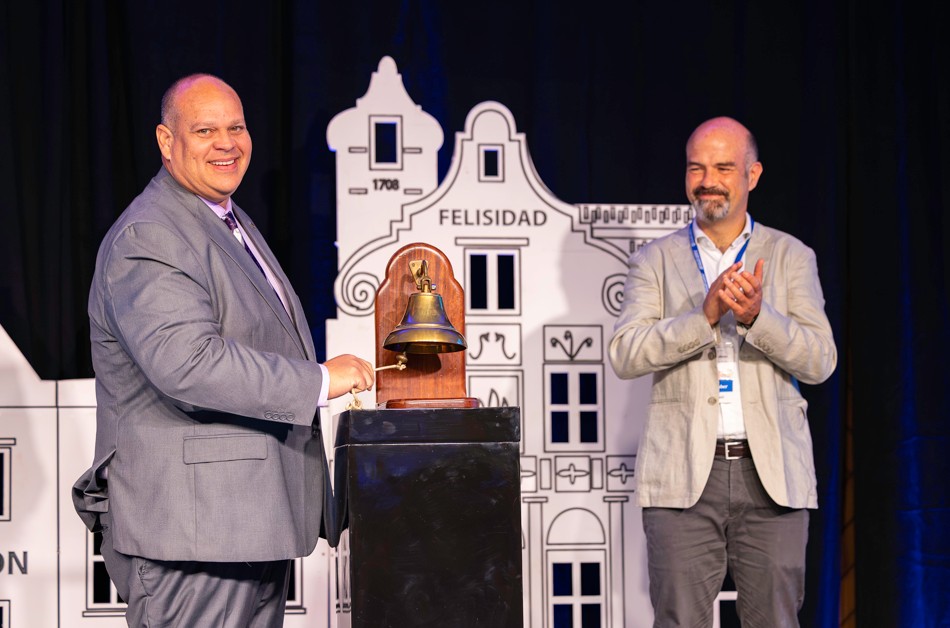
Running through 6 November, the conference brings fishers together with researchers, policymakers, government officials and industry representatives. Its theme, “Future-Proofing Fisheries: Resources, Resilience and Tradition,” focuses on sustaining fisheries under environmental, economic and social pressures.
Greater control over food
Professor Wayne Ganpat warned that the Caribbean’s reliance on imported food leaves families exposed to rising prices and disrupted supplies. Climate damage to local production adds to that vulnerability. He called for stronger local production to make healthy food more affordable and preserve Caribbean food traditions.
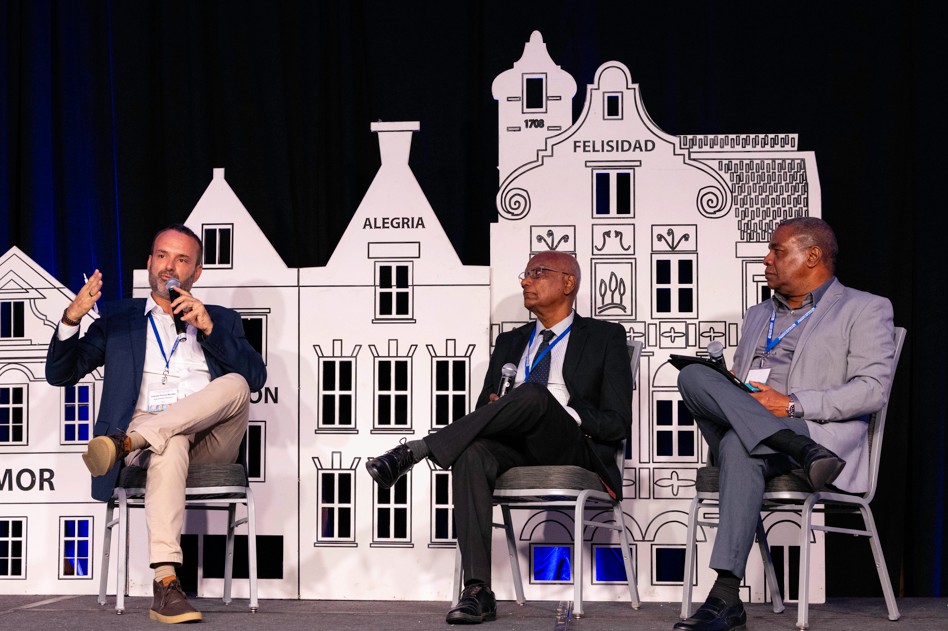
For Curaçao, he proposed farming methods suited to scarce freshwater, limited land and intense heat. Drip irrigation and shade structures offer practical starting points. Hydroponics could follow where skills, demand and costs justify it. The goal is a dependable supply of suitable crops at prices local buyers can afford.
Ganpat also proposed a largely virtual agricultural and food training institute, supported by local and regional expertise. Advisory services, home gardens and food education in schools could strengthen production skills. Islands would continue to trade, while building local capacity to reduce their exposure to international supply shocks.
Stronger fishing communities
Professor Leandro Morais highlighted how cooperatives could help Curaçao’s fishers earn more from their catch. Small-scale fishing provides fresh food and income while preserving coastal traditions. Yet high operating costs, limited cold storage and weak access to finance make livelihoods uncertain.
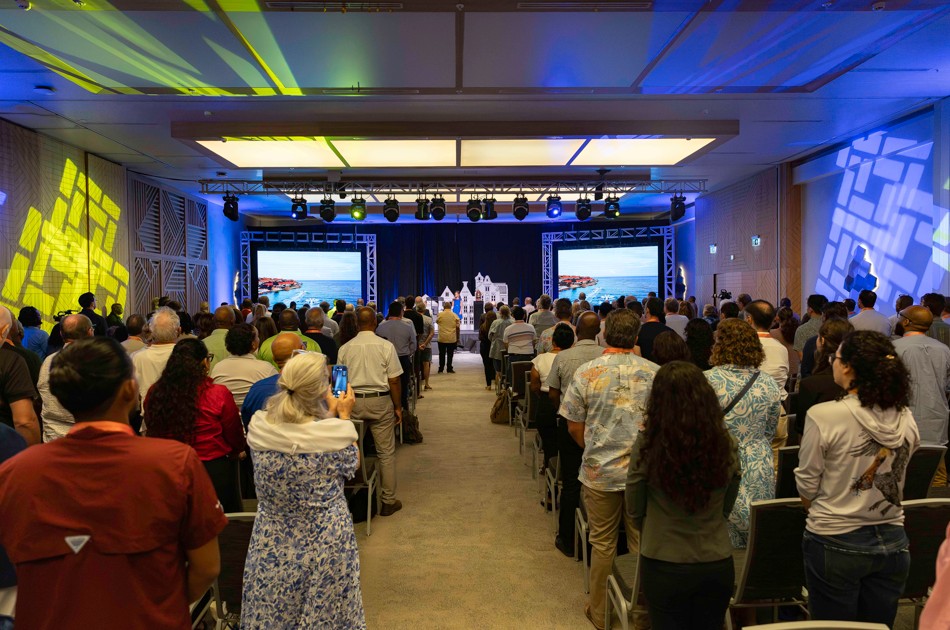
Working together could help fishers buy supplies more cheaply and share cold storage, including solar-powered facilities. Cooperative loan funds could support engine repairs and equipment purchases. Direct supply agreements with hotels and restaurants could reduce dependence on middlemen and keep more earnings in coastal communities.
Morais called for fair opportunities for women and young people, with training in processing, sales and cooperative management. He stressed that economic gains must accompany reef protection and responsible fishing. Fishers should help monitor and manage marine resources alongside scientific institutions. His proposed approach starts with identifying local needs and organising fishers before investing in shared facilities.
Fishers at the centre
A further opening-day session put fishers at the centre of discussions on the sector’s future. The programme continues with presentations, working sessions and site visits. Participants will exchange research and practical experience on protecting marine resources while supporting food security and community livelihoods.
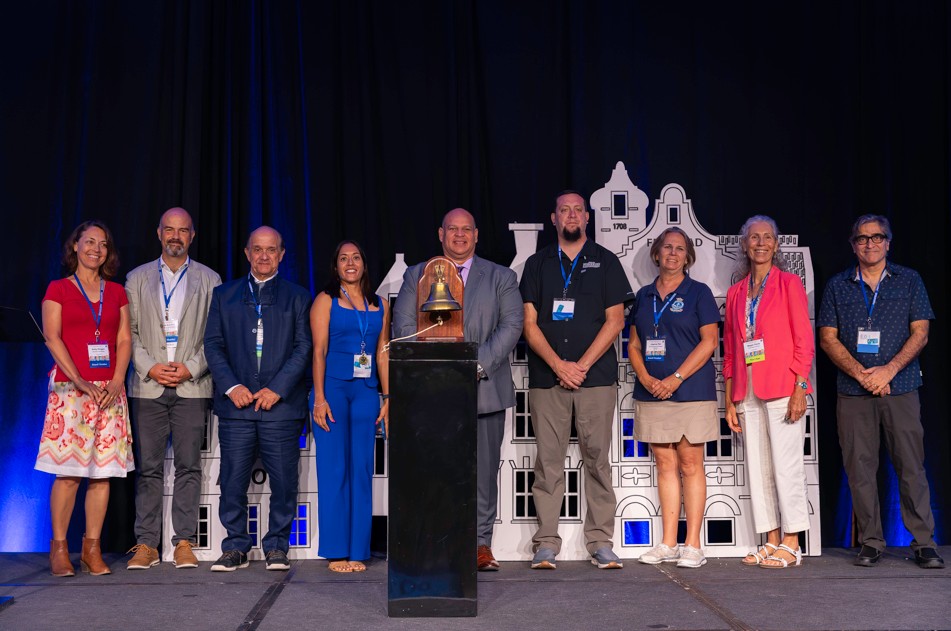
Founded in 1947, GCFI promotes knowledge exchange on marine resource use and management across more than 40 countries and territories. This year’s conference is organised with the Government of Curaçao and regional and local partners. It is an endorsed activity of the United Nations Decade of Ocean Science for Sustainable Development.