WILLEMSTAD – Curaçao's waste management company Selikor N.V., in collaboration with Dutch automotive training institute Innovam, has begun preparations to develop a specialized automotive mechanics education program for secondary and vocational education institutions on the island.
The initiative aims to better prepare young people and technical workers for the growing demand for qualified mechanics and other technical professionals in Curaçao's labor market.
Innovam is a leading Dutch training and knowledge institute specializing in automotive technology and vocational education.
Since 2021, the institute has provided various training courses to Selikor employees responsible for maintaining the company's heavy-duty trucks.
Building on that cooperation, the two organizations are now exploring opportunities to introduce automotive technology education into Curaçao's educational system, potentially extending to vocational qualification level 4.
Educational Institutions and Government Discuss New Training Program
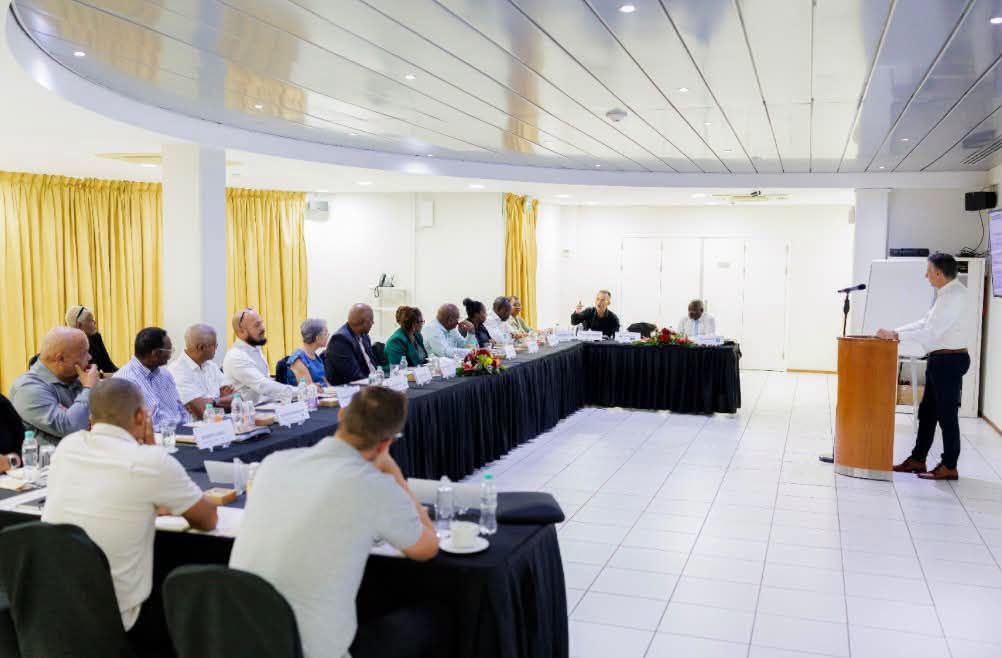
On October 15, 2026, representatives of Selikor and Innovam met with school administrators, the Curaçao Student Financing Foundation (SSC), and the Ministry of Education, Science, Culture and Sports (OWCS) to discuss the proposed initiative.
During the meeting, participants exchanged knowledge and examined the concept, objectives, planning, and potential partnerships required to establish the educational program.
Innovam representative Bert Broesder presented the proposed training pathway and explained how automotive education could be incorporated into existing educational structures.
The discussions focused on creating a modern technical education program that would provide students with the practical knowledge and professional skills required by employers.
The participating organizations also explored how educational institutions, government agencies, and private companies could work together to support the initiative.
Training Must Reflect Actual Labor Market Needs
A central issue raised during the meeting was the importance of identifying the specific technical skills needed by Curaçao's business community.
The organizations emphasized that vocational education should respond to the actual demands of employers rather than operate independently of developments in the labor market.
By gaining a clearer understanding of current and future staffing requirements, schools could adapt their curricula to prepare students more effectively for available employment opportunities.
The initiative is also intended to help address the challenges businesses face in recruiting adequately trained technical personnel.
According to the organizers, stronger cooperation between educational institutions and employers is essential for developing vocational training that remains relevant as technology and industry requirements evolve.
Private Sector Invited to Participate
As a next step, companies operating in Curaçao's technical sector have been invited to participate in further discussions.
These consultations will examine both immediate and long-term demand for qualified technical workers.
They will also explore the training and professional development opportunities Innovam could provide to employees already working in the industry.
The proposed collaboration could therefore benefit both students preparing to enter the labor market and existing workers seeking to upgrade their technical qualifications.
The organizations believe that involving employers from the beginning will help ensure that the program provides practical skills directly applicable to the workplace.
Strengthening Curaçao's Technical Workforce
Selikor and Innovam view the initiative as an opportunity to strengthen the automotive mechanics profession and contribute to the long-term development of Curaçao's workforce.
The project reflects a broader effort to connect education more closely with economic development by preparing students for professions where specialized technical knowledge is needed.
Through cooperation among schools, government institutions, training organizations, and private businesses, the partners hope to establish an educational pathway that supports both employment opportunities and the technical needs of local companies.
The program remains in the preparatory phase. A formal launch date, participating schools, enrollment requirements, and financing arrangements have not yet been announced.
The next stage will focus on continued consultation with employers and educational partners to determine how the proposed training program can be developed and implemented in Curaçao.