THE HAGUE – The Dutch government is preparing tougher legislation to combat Russia's so-called shadow fleet, including vessels that illegally sail under the flags of Curaçao, Aruba and Sint Maarten. The proposed amendments would give authorities greater powers to intercept and detain ships using false registration documents, while increasing the maximum prison sentence for unlawfully flying a Kingdom of the Netherlands flag to four years.
The legislative proposal has been submitted to the Dutch House of Representatives and is scheduled for discussion by its Committee on Infrastructure and Water Management on November 4.
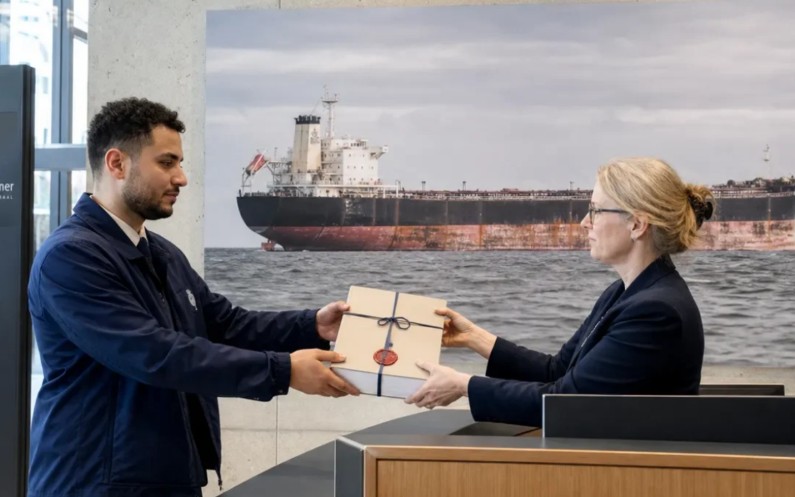
The initiative forms part of broader efforts to prevent Russia from circumventing international sanctions imposed following its invasion of Ukraine.
Caribbean Flags Used Without Authorization
A particular concern for the Kingdom of the Netherlands is the unauthorized use of flags associated with its Caribbean countries.
Some vessels operating internationally have reportedly claimed registration under the flags of Aruba, Curaçao or Sint Maarten, even though these countries do not maintain international ship registers of the kind such vessels claim to use.
The practice allows ships to present themselves as registered under a recognized national flag without having the corresponding legal authorization.
Such fraudulent registration can make it more difficult for maritime authorities to establish a vessel's actual nationality, ownership and regulatory status.
It can also create reputational risks for the Caribbean countries whose flags are being misused.
Under international maritime law, a ship's flag state plays an important role in determining which country is responsible for overseeing compliance with applicable safety and regulatory requirements.
When vessels use false registration documents or claim a nationality to which they are not entitled, identifying the responsible authorities becomes more complicated.
Russian Shadow Fleet Raises Security Concerns
Russia's shadow fleet consists of tankers and other vessels used to transport oil and petroleum products while attempting to avoid international sanctions and restrictions.
Many of these ships are older vessels operating through complicated ownership structures, sometimes with inadequate or uncertain insurance coverage.
Western governments have raised concerns that the fleet enables Russia to continue generating revenue from energy exports, helping finance its war in Ukraine.
Beyond sanctions enforcement, the vessels also present potential environmental and maritime safety risks.
A serious accident involving an aging or inadequately insured oil tanker could result in extensive pollution and complicated questions about financial responsibility for cleanup operations.
Dutch authorities have additionally expressed concerns about the potential use of suspicious vessels for intelligence-gathering activities in the North Sea.
The proposed legislation is intended to strengthen the government's ability to respond to these risks, particularly when ships operate without a valid flag or falsely claim registration within the Kingdom.
Authorities Would Receive Stronger Enforcement Powers
Under the proposed amendments, authorities would be able to take direct action against vessels operating with false or missing nationality documentation, subject to the applicable legal conditions.
Ships could be intercepted, directed to a port and detained.
The proposal would also increase the maximum prison sentence for unlawfully sailing under a Kingdom flag to four years.
These measures are designed to make it more difficult for ship operators to exploit fraudulent registration claims and evade maritime oversight.
The changes would provide a stronger legal basis for enforcement against vessels whose registration status cannot be established or whose claimed nationality is fraudulent.
Curaçao Must Adopt Its Own Legislation
Although the proposed Dutch legislation addresses a problem affecting the wider Kingdom, its application in the Caribbean countries involves an important constitutional distinction.
Aruba, Curaçao and Sint Maarten are autonomous countries within the Kingdom of the Netherlands, each with responsibility for its own legislation in relevant areas.
Consequently, the proposed Dutch legal amendments would not automatically establish identical enforcement rules in the territorial waters under the jurisdiction of the three Caribbean countries.
The governments of Curaçao, Aruba and Sint Maarten would need to develop their own legislation consistent with the proposed approach.
This means the effectiveness of a coordinated Kingdom-wide response will also depend on legislative action by the Caribbean countries.
For Curaçao, the issue concerns not only maritime security but also the protection of its international reputation against unauthorized use of its flag.
Parliamentary Discussion Scheduled for November
The Dutch House of Representatives' Committee on Infrastructure and Water Management is scheduled to consider the legislative proposal on November 4.
The proposal has not yet become law, and the timetable for its eventual adoption remains subject to the parliamentary process.
It is also not yet clear when Curaçao, Aruba and Sint Maarten might introduce corresponding legislation.
The initiative nevertheless signals an effort by the Netherlands to close legal gaps that allow vessels linked to Russia's shadow fleet to exploit false national registrations.
For the Caribbean countries of the Kingdom, the proposed measures highlight the importance of preventing their flags from being used without authorization in international shipping activities, particularly those associated with sanctions evasion, maritime safety risks and potential environmental damage.