WILLEMSTAD – The Curaçao National Commission for UNESCO, RAC, and UNESCO's Regional Office for the Caribbean organized a two-day hybrid workshop as part of UNESCO's Global Media and Information Literacy (MIL) Week 2026, under the theme “Building a More Informed, Critical, and Responsible Society.”
As digital technology, social media, and artificial intelligence increasingly influence how people communicate, learn, and make decisions, raising awareness about media and information literacy has become more important than ever.
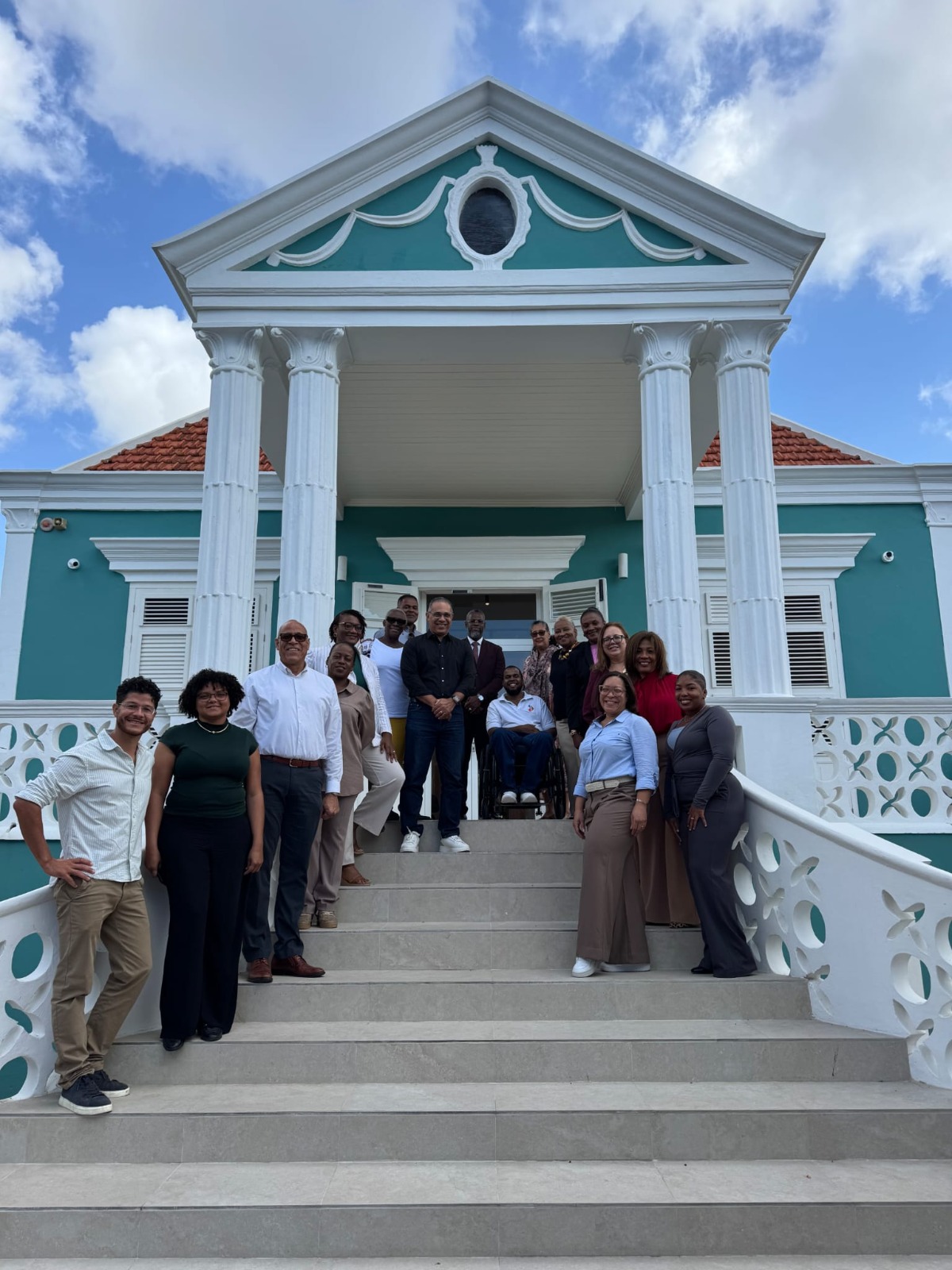
The workshop was organized as a side event of UNESCO Global MIL Week 2026 and highlighted the need for citizens of all ages to develop the skills necessary to navigate today's information environment safely, critically, and responsibly.
What Is Media and Information Literacy (MIL)?
Media and Information Literacy (MIL) refers to the knowledge and skills people need to access, understand, evaluate, create, and share information responsibly.
It helps individuals distinguish facts from opinions, recognize false or misleading information, question the reliability of online sources, and understand how media organizations and digital platforms influence what they see, read, and believe.
In simple terms, MIL teaches people not to believe everything they see or read online, but instead to think critically, verify information, and consider the consequences before sharing it.
These skills are particularly important in an era when artificial intelligence can generate convincing images, videos, and messages that may be difficult to distinguish from authentic content.
Why Media and Information Literacy Matters for Curaçao
As Curaçao continues its digital transformation, media and information literacy is becoming an essential life skill, not only for students and educators but also for parents, professionals, public officials, journalists, and the wider community.
The workshop emphasized that everyone has a responsibility to contribute to a trustworthy information environment.
Schools can teach critical thinking, parents can guide children in their use of digital media, journalists can promote accurate reporting, and citizens can help prevent the spread of misinformation by verifying information before sharing it.
Local and International Organizations Participate
The workshop brought together representatives from several local organizations, including the Central Bank of Curaçao and Sint Maarten (CBCS), the Ministry of Education, Science, Culture and Sport (OWCS), the Curaçao National Commission for UNESCO, the Meteorological Department of Curaçao, Fundashon Alton Paas, the Amor Lumen Foundation, and a gender specialist.
International participants joined online, including representatives from the Aruba National Commission for UNESCO, the Media Institute of the Caribbean (MIC), the University of the West Indies, the Centre for Law and Democracy in Canada, an information technology and cybersecurity professional, CARIFORUM Intellectual Property Rights and Innovation (CarIPI), UNESCO headquarters in Paris, and UNESCO's Regional Office for the Caribbean.
Workshops Address Digital Transformation, Cybersecurity and Online Safety
The two-day program covered a wide range of topics related to digital literacy, responsible communication, and online safety.
Discussions included a timeline of Curaçao's digital transformation and strategies for raising awareness of media and information literacy among the general population, young people, professionals, and vulnerable groups.
Participants also explored ways to improve storytelling and communication skills and promote digital inclusion throughout the Dutch-speaking Caribbean.
Another important topic was the role of media and information literacy in disaster preparedness, emergency response, and recovery.
The program also examined UNESCO Global MIL Week and the development of media and information literacy initiatives throughout the Caribbean.
Cybersecurity awareness was another major area of discussion, with attention given to online safety, device protection, and the importance of safeguarding personal information.
Participants also addressed intellectual property rights for Caribbean creators, highlighting the need to protect creative work in an increasingly digital environment.
Financial literacy formed part of the discussions, particularly the importance of recognizing and preventing financial fraud and scams.
The workshop concluded with presentations addressing technology-facilitated gender-based and sexual violence, as well as the role of technology in peacebuilding.
Building a More Informed and Responsible Digital Society
Through this initiative, the participating organizations emphasized the importance of strengthening digital skills and critical thinking across all sectors of Curaçao's society.
The workshops demonstrated that media and information literacy extends beyond recognizing misinformation. It also involves understanding digital rights, protecting personal information, using technology responsibly, and ensuring that everyone has the opportunity to participate safely in the digital world.
As artificial intelligence and digital platforms continue to evolve, the ability to evaluate information critically and communicate responsibly will become increasingly important.
The Curaçao National Commission for UNESCO and its partners aim to encourage greater awareness of these challenges and promote a society in which citizens are better equipped to navigate the opportunities and risks of the digital age.
The central message of the initiative is that building a safer, more informed, and more responsible digital society requires the participation of everyone.