THE HAGUE – Dutch State Secretary for Kingdom Relations Van den Burg has expressed optimism about Curaçao's economic development following an official visit to the island, highlighting the growth of tourism, the international exposure generated by the national football team's participation in the FIFA World Cup and the importance of continued cooperation within the Kingdom of the Netherlands.
In a report reflecting on his working visit to the Dutch Caribbean, Van den Burg described Curaçao as the final destination of his trip to the Leeward Islands. He observed that the island's economy is performing well, partly because of substantial growth in tourism.
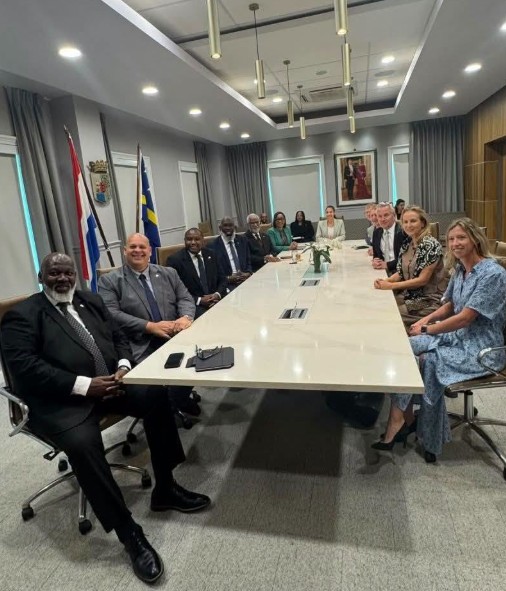
Van den Burg's meeting with the Council of Ministers
According to the State Secretary, Curaçao's historic participation in the World Cup through its national football team, the Blue Wave, has significantly increased the island's international visibility.
However, beyond his positive assessment of the economy, the visit also focused on a major political decision facing Curaçao: whether to extend the mutual arrangement underpinning the reform agreements between Curaçao and the Netherlands.
Curaçao Parliament to Decide on Future of Reform Cooperation
During his visit, Van den Burg met with Governor Mauritsz de Kort, Prime Minister Gilmar Pisas and members of the Council of Ministers.
A central subject of the discussions was the possible extension of the mutual arrangement that provides the framework for cooperation under the Country Packages, known in Dutch as the Landspakketten.
These agreements are intended to strengthen the Caribbean countries within the Kingdom through reforms in areas such as public financial management, education and government administration.
Van den Burg emphasized that cooperation between the Netherlands and Curaçao is aimed at strengthening the countries through practical improvements in governance and public services.
However, he also made clear that the decision on whether to continue the arrangement belongs to Curaçao.
According to his report, the Curaçao Parliament is expected to decide next week on a possible continuation of the agreement.
The State Secretary characterized the Dutch position as one of making continued cooperation possible while leaving the final choice to Curaçao.
His remarks place responsibility for the next phase of the reform arrangement squarely with Curaçao's elected representatives.
The decision will be significant because the mutual arrangement provides the formal basis for cooperation on reforms that have been pursued through the Country Packages.
Van den Burg did not indicate in his report what the consequences would be if Parliament decided against extending the arrangement.
Kingdom Summit Scheduled for November
The State Secretary also looked ahead to the Kingdom Summit scheduled for November, when representatives of the four countries of the Kingdom are expected to discuss ways to strengthen their cooperation.
The Kingdom consists of Curaçao, Aruba, Sint Maarten and the Netherlands.
According to Van den Burg, the summit will provide another opportunity to examine how the countries can work together more effectively.
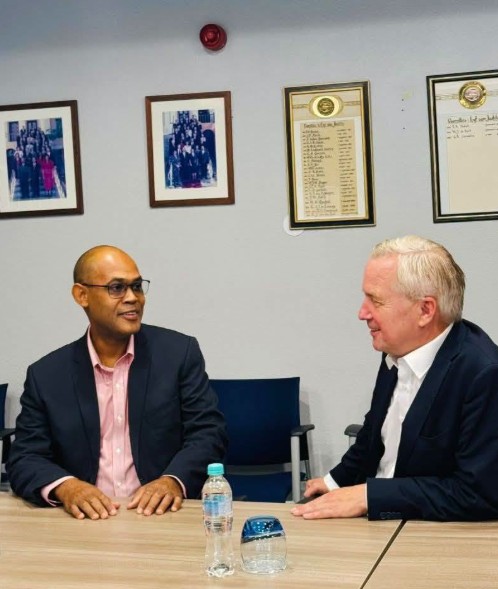
Van den Burg's visit with the new President of the Common Court of Justice
The discussions will take place against the background of continuing debates about financial supervision, administrative reforms and the responsibilities of the individual countries within the Kingdom.
Community Organizations in Koraalspecht Impress State Secretary
One of the most notable aspects of the visit was Van den Burg's meeting with residents and community organizations in Koraalspecht.
The gathering was organized at Sentro di Bario Koraal Specht following an invitation from Sherwin Margaritha, an active community member associated with Stichting Kurazorg.
Residents and representatives of several organizations shared their experiences and explained the challenges facing the neighborhood.
Van den Burg said he was particularly impressed by the determination and willingness of residents to speak openly about what their community needs.
He observed that many of the participants were women who had a clear understanding of the neighborhood's priorities.
Among the issues raised were support for children and young people, poverty reduction and housing.
The State Secretary also highlighted several local initiatives that are already making a difference.
He referred to the religious organization Resurekshon di Bida, which prepares breakfast for approximately 300 children every morning.
Another example was Stichting Seda, through which a former technical education teacher provides practical technical skills training to young people who face difficulties entering the labor market.
Van den Burg also mentioned Dynamite BMX Racing Team and education students associated with Stichting Bicentini, who organize sports activities for young people.
These initiatives demonstrated, in his view, the important contribution that community organizations can make to social development.
Dutch Funding Available for Small Community Projects
Van den Burg used the visit to draw attention to the Small Projects Fund, administered through the Representation of the Netherlands in Aruba, Curaçao and Sint Maarten.
Through this fund, foundations can receive financial support of up to 5,000 guilders for projects intended to improve the lives of local residents.
The State Secretary identified sports, youth development and poverty reduction as examples of areas that may qualify for support.
He emphasized that a strong civil society is an important component of good governance.
His comments suggest that the Netherlands sees community-based organizations as important partners in addressing social challenges, alongside government institutions.
The report did not specify how many Curaçao organizations currently receive support from the fund or whether additional funding would be made available following his visit.
Meetings with Judiciary and Financial Supervisors
During the final day of his visit, Van den Burg also met with Sigmar Carmelia, president of the Joint Court of Justice of Aruba, Curaçao, Sint Maarten and Bonaire, Sint Eustatius and Saba.
The meeting formed part of the State Secretary's broader program of consultations with institutions operating within the Kingdom.
He also received a briefing from Secretary Han Middendorp and his team on the work of the financial supervision bodies responsible for overseeing public finances in the Caribbean countries and islands.
Financial supervision remains an important element of relations within the Kingdom, particularly in connection with budgetary discipline and efforts to strengthen public financial management.
Van den Burg did not provide details about specific conclusions or agreements reached during these meetings.
Visit Concludes with Dutch Navy Activities
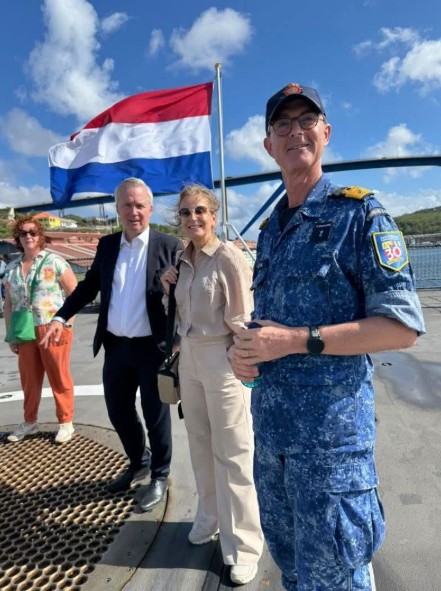
The State Secretary concluded his visit by participating in the Dutch Navy's Vaardagen, an event showcasing naval activities and capabilities.
He expressed appreciation for the work carried out by the armed forces to maintain security in the Caribbean parts of the Kingdom.
Van den Burg also thanked Commander of Naval Forces Walter Hansen for his hospitality.
Looking back on the visit, the State Secretary expressed satisfaction with the discussions and encounters, particularly the opportunity to hear directly from Curaçao residents about their experiences and concerns.
His report presents a positive picture of Curaçao's economic momentum and community initiatives while underscoring the importance of upcoming political decisions.
For the Curaçao government and Parliament, the immediate issue is whether to continue the existing reform cooperation with the Netherlands.
Van den Burg's message is that the Netherlands is prepared to facilitate that cooperation, but Curaçao must determine whether it wishes to proceed.