THE HAGUE – The Dutch government has offered to brief members of the House of Representatives behind closed doors about the controversial refusal to allow an aircraft carrying Venezuelan opposition leader María Corina Machado to land in Aruba and Curaçao.
In an official letter dated October 30, 2026, Dutch Foreign Minister Tom Berendsen informed Parliament that officials from his ministry were prepared to explain the circumstances surrounding the unsuccessful landing requests and earlier developments involving Machado.
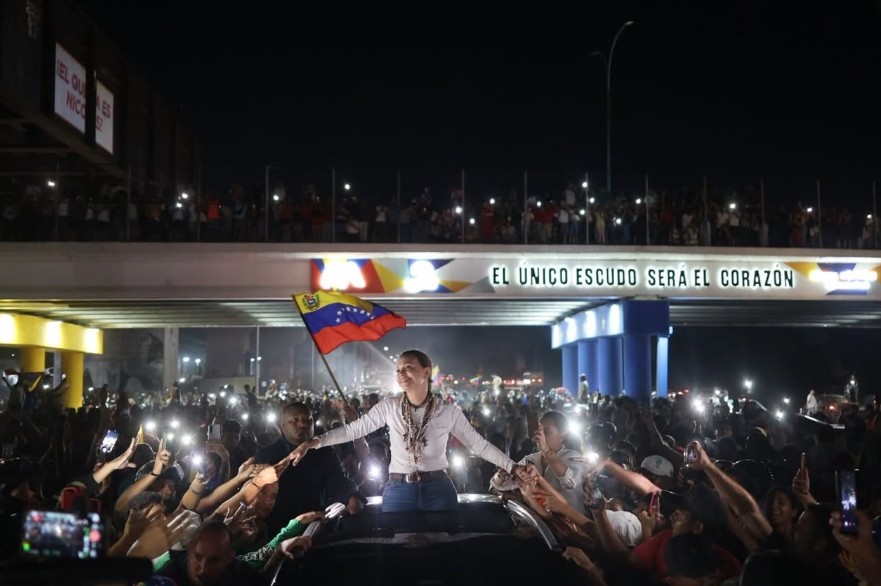
Machado arrives in Caracas
However, the minister requested that the briefing remain confidential because of the sensitive nature of the information.
The letter confirms that the Dutch government is willing to provide further details to parliamentarians but does not offer a public explanation of who was responsible for refusing the aircraft permission to land.
The controversy dates back to September, when Machado reportedly attempted to travel from Panama through the Dutch Caribbean islands as part of efforts to return to Venezuela.
Foreign Minister Offers Confidential Technical Briefing
Berendsen's letter follows a commitment made during a parliamentary discussion on human rights policy on October 5.
During that meeting, GroenLinks-PvdA parliamentarian Kati Piri questioned the government about the circumstances surrounding Machado's unsuccessful attempts to land in Aruba and Curaçao.
The minister promised to inform Parliament confidentially about the matter.
In his October 30 correspondence, Berendsen formally offered to organize a technical briefing involving officials from the Ministry of Foreign Affairs.
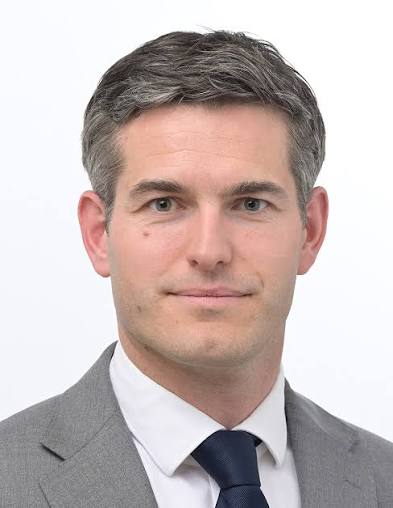
Dutch Minister of Foreign Relations Tom Berendsen
He also confirmed that ministry employees would be authorized to participate and provide information to members of Parliament.
The government requested that the session take place behind closed doors, citing the confidential character of the information.
A date for the briefing has not yet been established and will be determined in consultation with the parliamentary committee responsible for the matter.
The letter also notes that Machado returned to Venezuela on October 25, but the minister indicated that this development did not change his willingness to provide the requested explanation.
Landing Refusal Remains Unexplained
The controversy emerged publicly on September 30, when Dutch broadcaster NOS reported that the Curaçao Civil Aviation Authority (CCAA) had refused permission for a private aircraft carrying Machado to land on the island.
CCAA Director Peter Steinmetz confirmed that the decision followed a request from higher authorities.
However, he did not identify who had issued that request.
The aircraft had reportedly sought permission to travel from Panama to Curaçao on September 22.
Earlier attempts to obtain landing permission in Aruba had also been unsuccessful.
The reports raised questions about whether the decision originated with authorities in Curaçao, Aruba, the Netherlands, or another party involved in the diplomatic arrangements.
Curaçao's Minister of Traffic, Transport and Spatial Planning, Charles Cooper, told NOS that the request had not come from him.
Prime Minister Gilmar Pisas declined to comment on the matter.
As a result, the origin of the instruction remains publicly unknown.
Dutch Prime Minister Declined to Clarify Government's Role
The issue also prompted questions for Dutch Prime Minister Rob Jetten during press conferences in September and October.
On September 25, Jetten was asked whether he could rule out Dutch involvement in preventing or complicating Machado's journey through Aruba and Curaçao.
He did not provide such an assurance.
Instead, the prime minister referred to the Netherlands' contacts with Venezuela's democratic opposition and the importance of protecting opposition figures.
During a subsequent press conference on October 2, Jetten explained that foreign affairs and diplomacy are Kingdom responsibilities, requiring coordination between the Dutch government and the autonomous Caribbean countries.
However, he did not confirm whether Dutch authorities had specifically instructed the islands to deny Machado's aircraft permission to land.
The refusal to disclose further information has left the central question unanswered.
Parliament May Receive Answers That Remain Hidden From the Public
The confidential briefing could provide Dutch parliamentarians with additional insight into the decision-making process.
However, the arrangement also means that the information presented may not become available to the public.
The October 30 letter does not identify the authority responsible for the landing refusal, explain the legal basis for the decision, or disclose whether security or diplomatic considerations played a role.
The Dutch government has also not publicly stated whether it intends to release any part of the explanation after the briefing.
For Curaçao and Aruba, the controversy raises questions about the relationship between their responsibility for civil aviation decisions and the Kingdom's responsibility for foreign affairs.
Although the Dutch government has now offered Parliament a confidential explanation, residents of the Caribbean countries have yet to receive a public account of why Machado's aircraft was denied permission to land.
The matter remains unresolved in the public domain, with the parliamentary briefing expected to provide further information behind closed doors.