WILLEMSTAD – The company planning a major land-based fish farm at Bullenbaai says environmental sustainability will be incorporated into the project from the outset, including the reuse of water, renewable energy and efforts to obtain international sustainability certifications.
CurAqua B.V. plans to use a Recirculating Aquaculture System, commonly known as RAS, for its production of Yellowtail Kingfish in Curaçao.
Unlike conventional offshore fish farming, the system will raise the fish in tanks on land. Most of the water used in the operation will be continuously filtered, treated and reused.
CurAqua says responsible environmental management will form an important part of the design of the facility.
The company also intends to incorporate renewable energy, pursue internationally recognized sustainability certifications and apply circular-economy principles wherever possible.
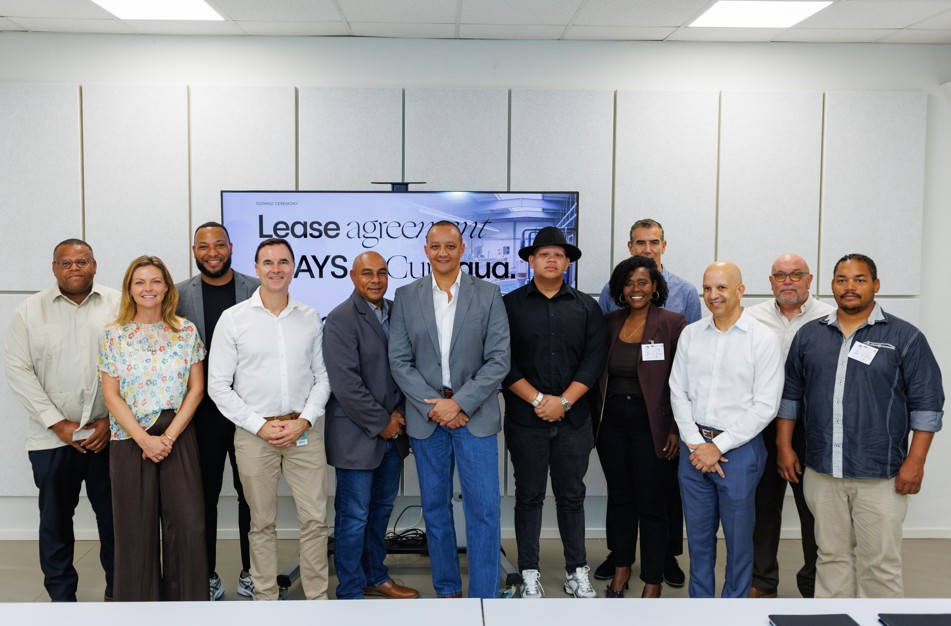
The fish farm is planned for Bullenbaai under a long-term land-use agreement signed with 2BAYS Curaçao.
The location provides access to deep seawater close to the coast while also offering existing industrial infrastructure and sufficient land to allow the facility to expand in stages.
The first phase is designed for approximately 400 metric tons of annual production, with the possibility of eventually reaching around 1,600 metric tons per year.
The environmental component will be particularly important before construction can begin. CurAqua must first complete environmental studies, prepare the detailed design and obtain the required permits and approvals.
The project would introduce a new form of commercial food production to Curaçao at a time when the island remains heavily dependent on imported fish and seafood.
If the necessary approvals are granted, construction is expected to begin after completion of the permitting process.